179-year green card wait; 9 Indian-origin names shape AI
This week’s edition comes with a number that is almost impossible to process. Nearly one million Indians are caught in America’s employment-based green card backlog, with a new analysis putting the potential wait for some at 179 years. Nine Indian-origin names have made TIME’s list of the people shaping artificial intelligence. And one Indian immigrant had his green card taken away this week for the best possible reason.
Let’s go.
THE BIG STORY
A Green Card? See you in 2205
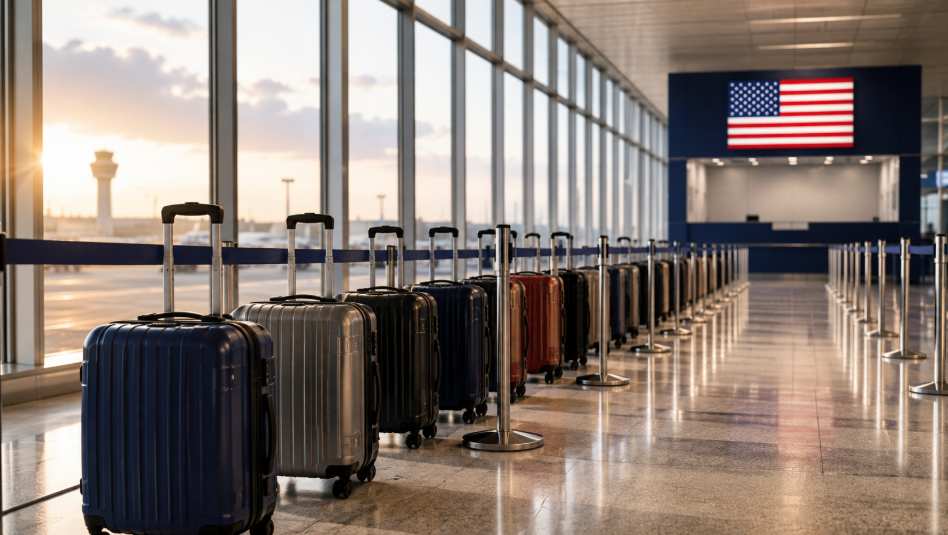

For Indian professionals in America, the green card queue has never exactly been a queue. Now, a new analysis has put a number on just how long it could stretch.
The National Foundation for American Policy estimates that nearly one million Indians are currently waiting in America’s employment-based green card backlog. They account for about 79% of everyone waiting across the first three employment-based preference categories.
The problem is particularly severe in EB-2, which covers professionals with advanced degrees or exceptional ability. An estimated 731,566 Indians were in the EB-2 backlog at the end of 2025. Another 213,414 were waiting in EB-3.
The NFAP estimates that an Indian national filing a new EB-2 petition in 2026 could face a potential wait of 179 years. For EB-3, the estimate is 38 years.
Yes, 179 years.
Why it matters:
Two rules are largely responsible for this extraordinary mismatch.
The first is America’s annual employment-based immigration limit. Congress set it at 140,000 in 1990, and it has remained there ever since. The number also includes eligible dependants, so the actual number of principal workers who receive green cards is considerably smaller.
Then there is the 7% per-country limit. No single country can receive more than 7% of the annual employment-based allocation, regardless of how many eligible applicants it has.
That means India and Luxembourg face the same statutory ceiling.
The result is a queue that grows faster than it clears. In fiscal 2016, for example, USCIS approved EB-2 petitions covering an estimated 98,594 Indians, including dependants. Only 4,407 people from India received an EB-2 green card that year.
More than 90,000 people were effectively added to the backlog.
Driving the news:
The backlog has continued to grow even when the US has issued unusually large numbers of employment-based green cards.
Between fiscal 2020 and 2024, around 980,000 employment-based green cards were granted. That was roughly 280,000 above the normal allocation, largely because unused family-sponsored numbers became available during the pandemic.
It still was not enough.
The August 2026 Visa Bulletin lists EB-2 India as unavailable for the month. EB-3 India is limited to applicants with priority dates before January 2014.
For someone starting the process today, the front of the queue is not simply far away. It is barely visible.
NRI WATCH
Nine Indians shaping the AI age
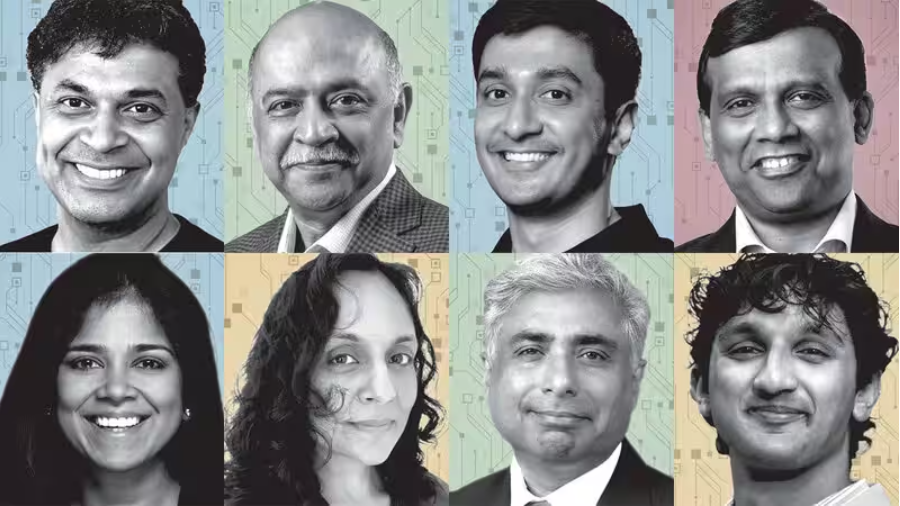

TIME’s 2026 list of the 100 most influential people in artificial intelligence includes nine Indian-origin figures. They span the AI world from corporate boardrooms and research labs to healthcare, law, government and safety.
IBM chairman and CEO Arvind Krishna is on the list, as is Cognizant chief Ravi Kumar S. Sarvam AI co-founder Vivek Raghavan is there too, building AI models designed around India’s extraordinary linguistic diversity. Caltech professor Anima Anandkumar is recognised for her work applying AI to physical systems, including weather forecasting.
The others show just how broad the AI race has become.
Utkarsh Saxena’s Adalat AI is being used by more than 6,000 judges across 11 Indian states. Suchi Saria’s sepsis-detection system received FDA clearance this year. Meetali Jain is working on legal accountability for AI-related harms. Arvind Raman works on AI evaluation and standards at NIST, while Sunny Gandhi focuses on AI safety and human oversight.
The takeaway is bigger than the number nine.
Indian-origin talent is helping shape not just the machines, but the rules, research and safeguards around them.
OFFBEAT
The green card he was happy to lose
When Saiman Shetty announced this week that USCIS had taken away his green card, the internet assumed the worst.
Some of his online critics had spent months reporting him to immigration authorities. Their target was Smart Immigration AI, the platform he built to help skilled immigrants navigate extraordinary-ability visa applications.
USCIS investigated.
It found nothing wrong.
The green card disappeared for a much happier reason. Shetty had become an American citizen.
His own immigration story is almost as unlikely. He arrived in Arizona from India in 2013 with a one-way ticket and little money. After losing the H-1B lottery, he wrote his own EB-1A petition and got it approved.
He later turned that experience into a business helping other immigrants navigate the same system.
“America beat me up,” he wrote after becoming a citizen. “She tested me at every turn.”
It also eventually gave him a passport.
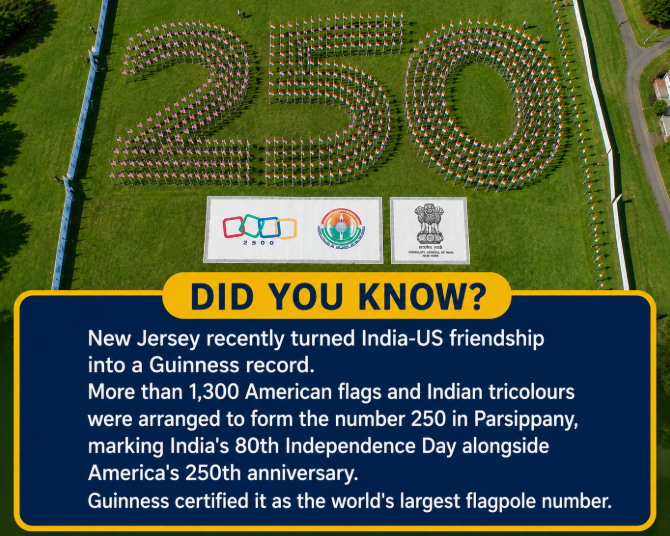
DID YOU KNOW

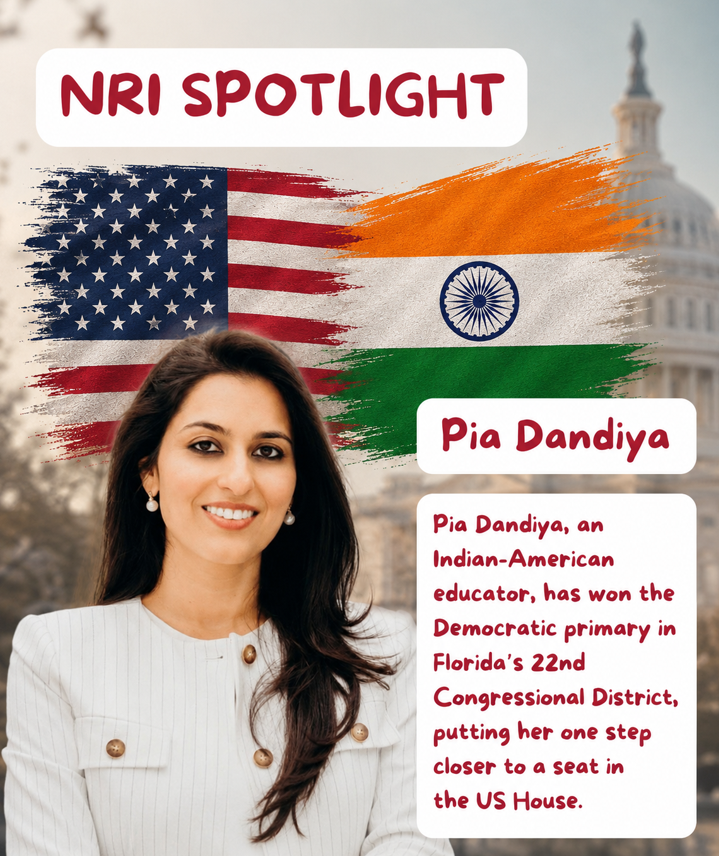
NRI SPOTLIGHT

LEMONCHILLI.NEWS

News that hits like a meme, but sticks like a fact. For more, visit LemonChilli.News
Disclaimer
Views expressed above are the author’s own.