The J-1 squeeze – What changes for Indians
The road to the American dream just got a little more complicated—but Indians continue to leave their mark in remarkable ways. This week, we decode proposed changes to the US J-1 visa programme, celebrate Indian-origin scientists whose ideas could shape the future of space exploration, and meet the student whose eye-popping 11.99 GPA has rewritten the rules of academic achievement.
Let’s go.
THE BIG STORY
The J-1 squeeze: What changes for Indians


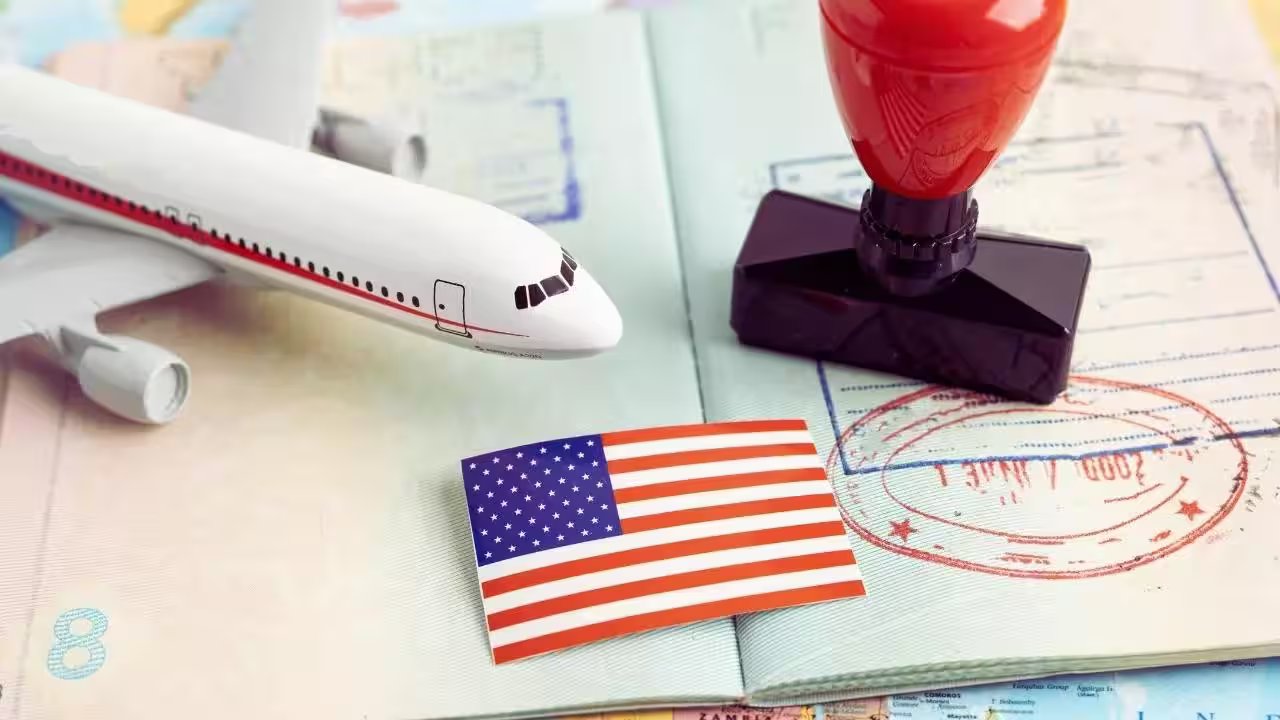
The Trump administration is planning another major shake-up of the US visa system—this time targeting the J-1 exchange visitor programme relied upon by thousands of Indian researchers, doctors, professors and trainees each year.
A new proposal from the US Department of State seeks to tighten oversight of the programme by introducing stricter compliance rules, expanding the grounds for terminating participants and placing greater responsibilities on universities and research institutions that sponsor them. While it does not change who can apply for a J-1 visa, it raises the stakes for those already in the programme.
The proposal follows another significant policy change introduced just weeks ago, when the administration ended the decades-old “duration of status” system for J-1 visa holders. Instead of allowing participants to remain in the US for the length of their approved programme, they are now admitted for fixed periods of up to four years, with many expected to apply for extensions if their exchange continues beyond that.
For Indian academics and professionals, the changes could have far-reaching implications. More than 12,000 J-1 visas were issued to Indian nationals in fiscal year 2024, making the programme a vital gateway for postdoctoral researchers, scientists, university faculty, medical residents, teachers, interns and trainees. The proposal is now open for public comment for 60 days before it can be finalised.
The big picture:
At the heart of the proposal is a tougher compliance framework for J-1 visa holders. The Department of State wants to clearly define what it considers a failure to maintain exchange visitor status, bringing together rules that are currently scattered across multiple regulations. Participants could lose their status for reasons including unauthorised employment, failing to meet programme requirements or overstaying the authorised period.
The proposal also widens the circumstances under which a participant can be removed from the programme. In addition to programme violations, grounds for termination would include fraud or misrepresentation, certain criminal offences, national security concerns and other factors that make an individual ineligible to continue. For the first time, the rules would also formally lay out how participants who fall out of status can apply for reinstatement, setting clear eligibility criteria and procedures.
Why it matters:
The proposed changes extend well beyond individual visa holders. Universities, research institutions and teaching hospitals sponsoring J-1 participants would face stricter oversight responsibilities, including closely monitoring participants, maintaining accurate records in the Student and Exchange Visitor Information System (SEVIS), and reporting any changes that could affect a participant’s eligibility.
The draft rules would also create a formal mechanism for exchange visitors to challenge termination decisions, while requiring sponsors to remove participants found to have submitted false or incomplete information. If approved, the changes would make compliance a far more central part of the J-1 programme, increasing scrutiny of both participants and the institutions that host them.
NRI WATCH
NASA’s Indian innovators

The next giant leap for space exploration may begin with a handful of Indian-origin scientists.
NASA has selected Saptarshi Bandyopadhyay of the Jet Propulsion Laboratory and Anish Damodaran of the University of Central Florida among the recipients of its prestigious 2026 Innovative Advanced Concepts awards, which fund bold, high-risk ideas that could shape future space missions.
Bandyopadhyay’s proposal explores whether controllable dust clouds in space could reduce the amount of sunlight reaching Earth to help counter climate change. Damodaran is working on photonic technologies that could transform future space telescopes.
The grants do not fund NASA missions. Instead, they support ideas that sound almost like science fiction today but could become tomorrow’s breakthroughs.
OFFBEAT
Too good to grade? Teen’s 11.99 GPA rewrites the rules
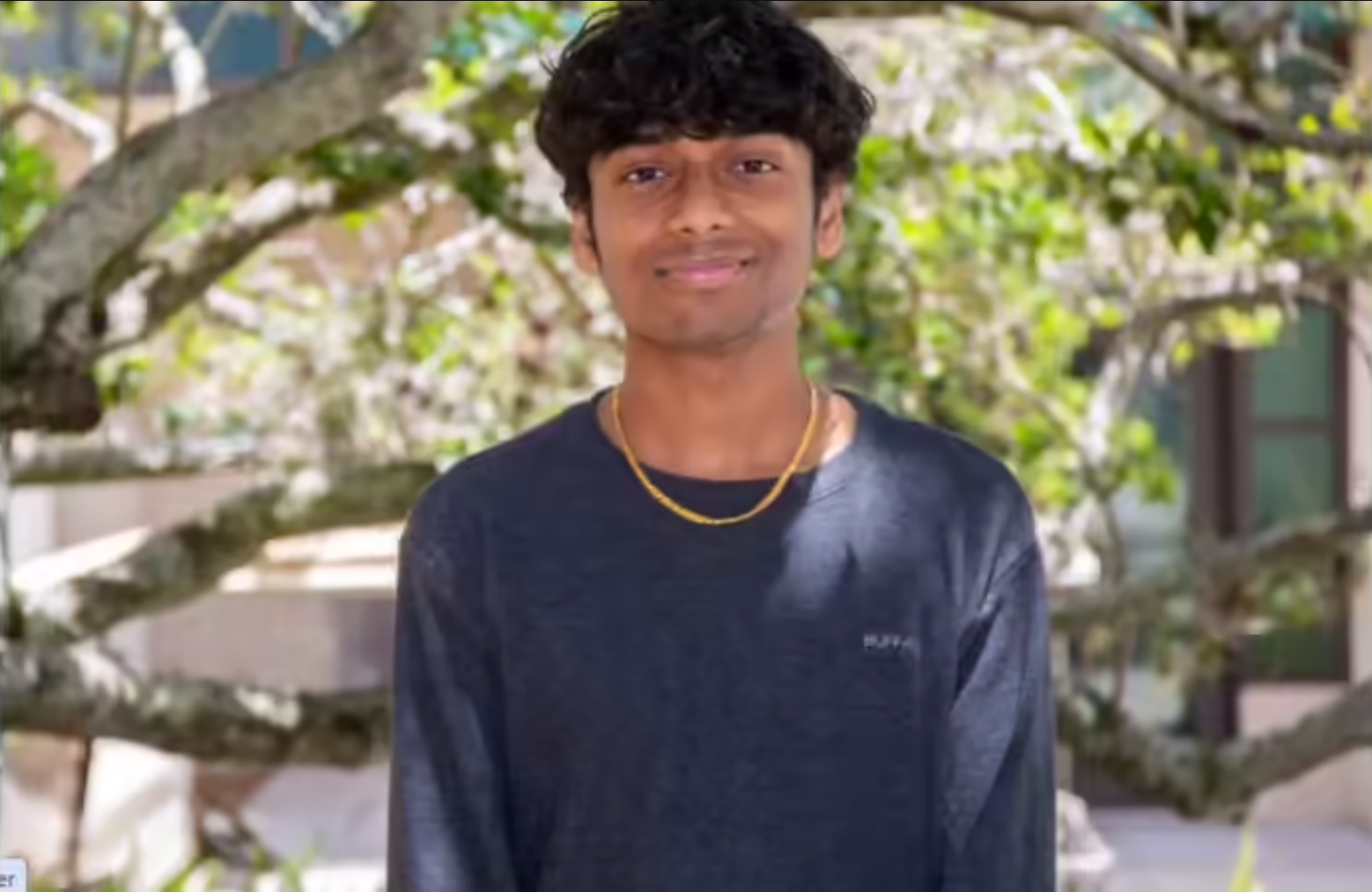

Most students celebrate graduating with a 4.0 GPA. Vaibhav Bhaskar graduated with 11.99.
The Florida teenager, whose family traces its roots to India, set a new Hillsborough County record after completing 20 Advanced Placement courses and 24 dual-enrolment college classes during high school. He is now heading to Duke University to study economics and public policy.
His achievement has prompted something unexpected. School officials have now changed the district’s grading system, arguing that no student should be able to accumulate such an inflated GPA. Bhaskar agrees. “I absolutely support the change,” he said, noting that his record would translate to about 4.93 on a standard five-point scale.
DID YOU KNOW?

NRI SPOTLIGHT

Lemon Chilli News


News that hits like a meme, but sticks like a fact. For more, visit LemonChilli.News
Disclaimer
Views expressed above are the author’s own.