Pranic healing, its spiritual lineage and legacy — Part 2
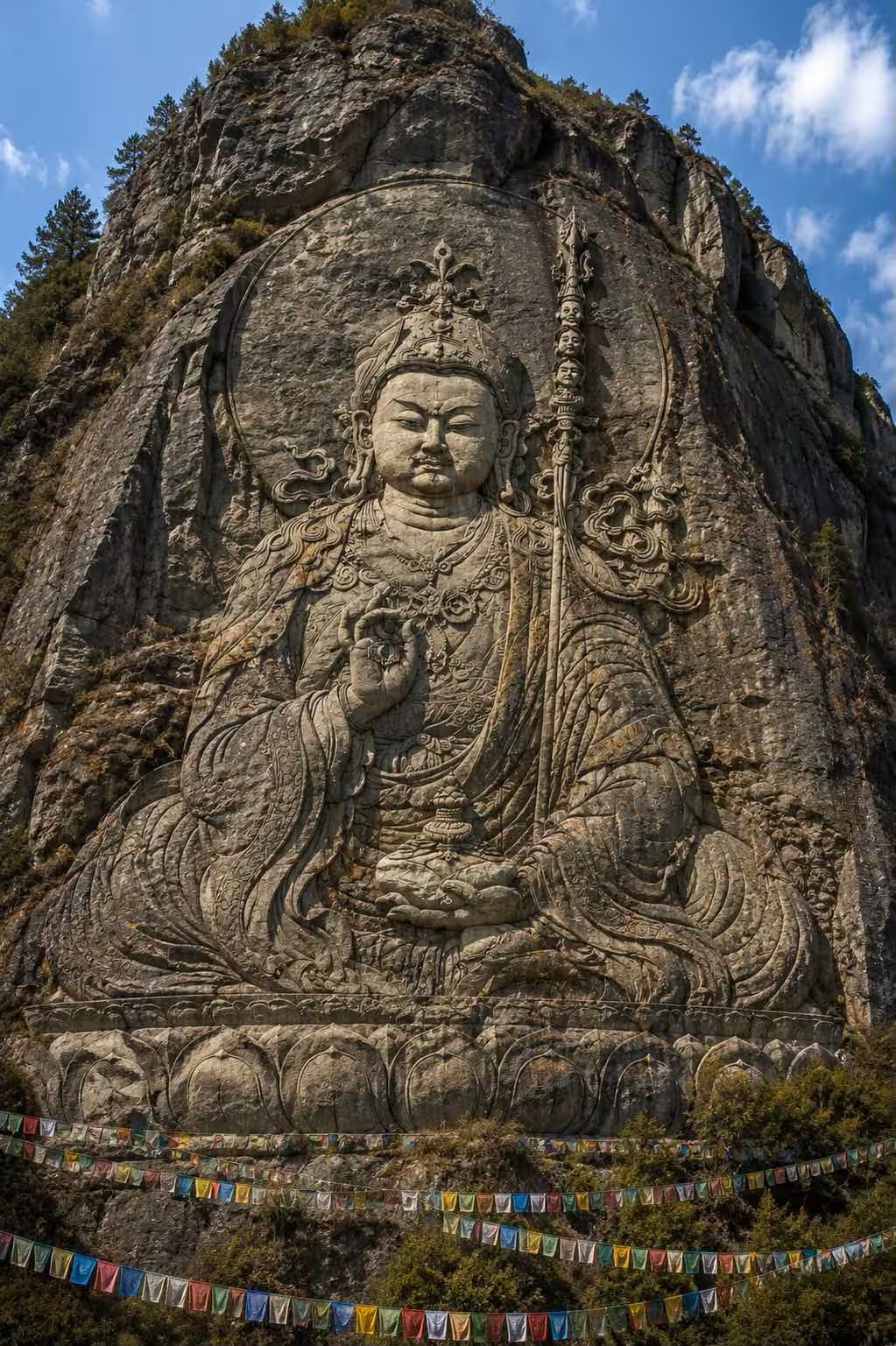
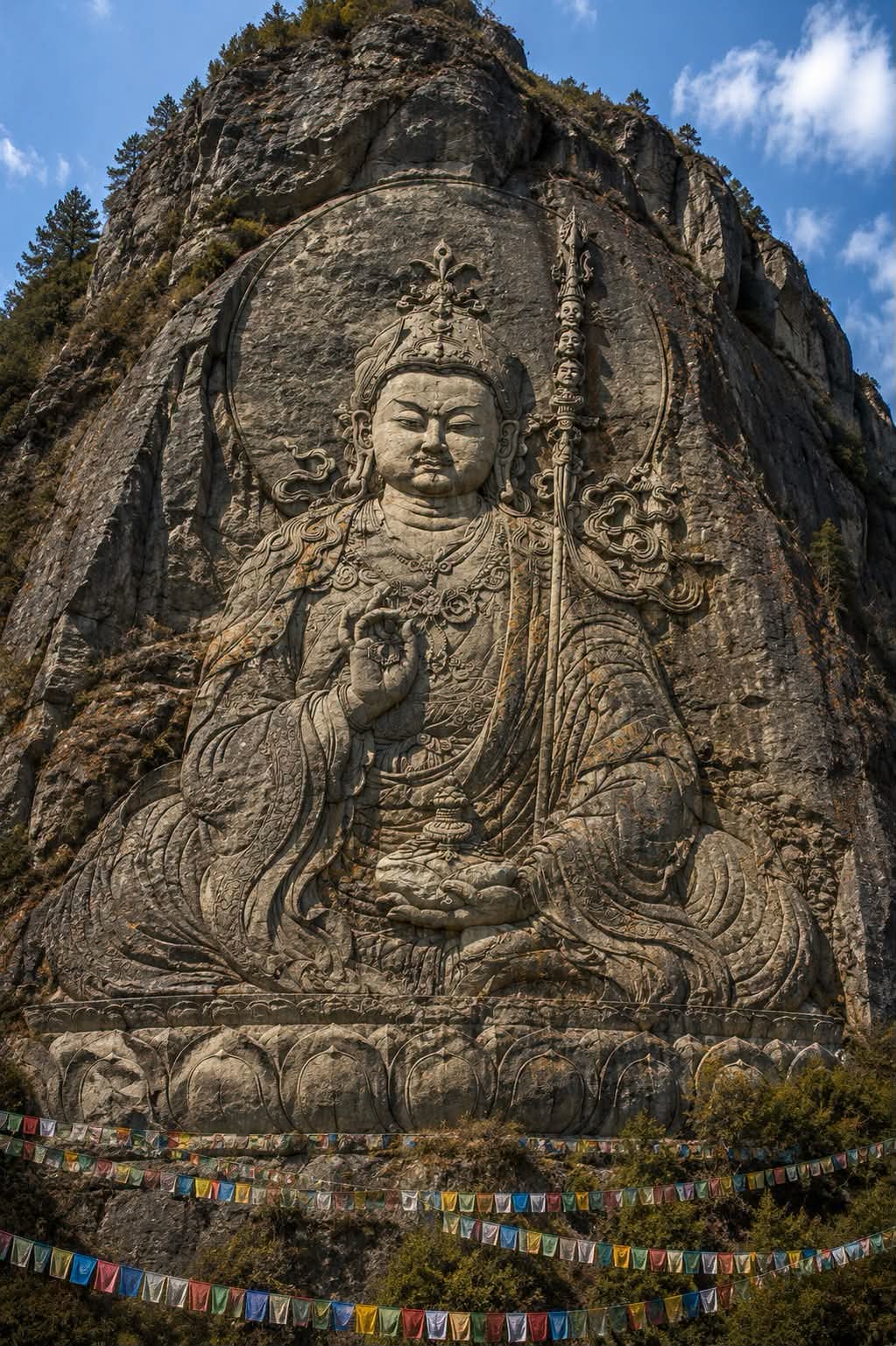
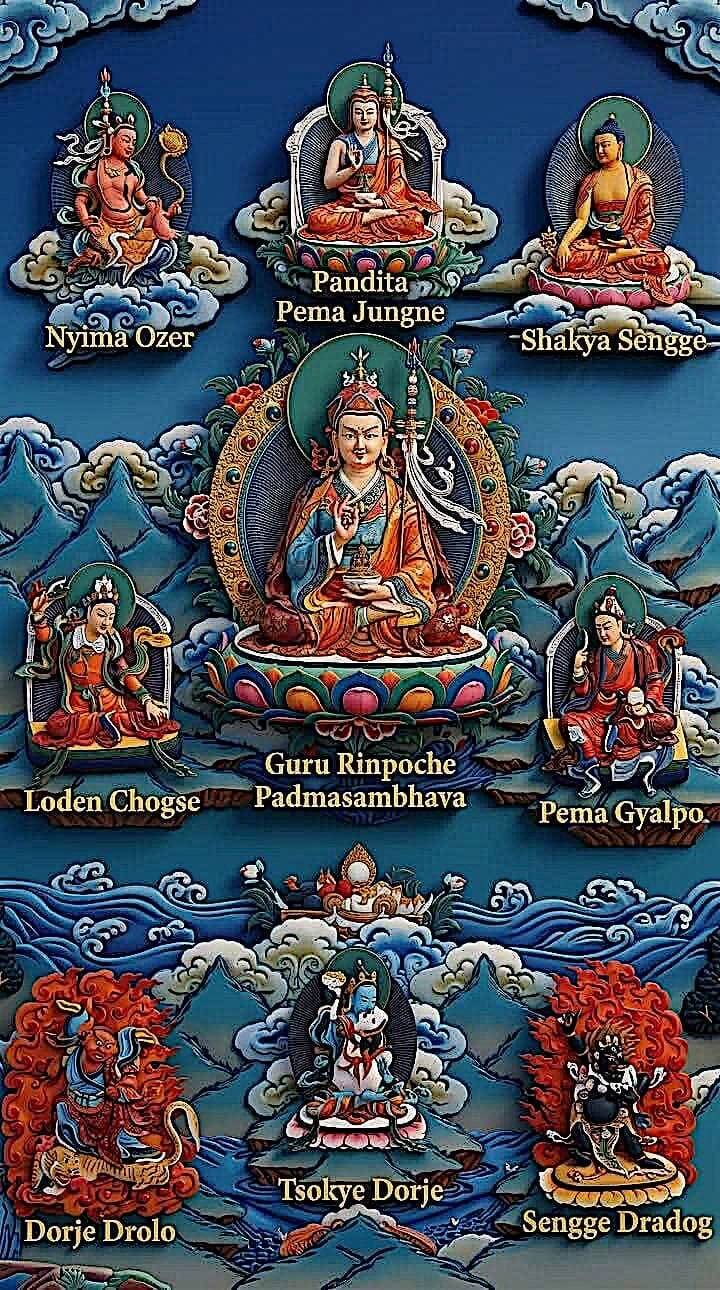
As we continue exploring the spiritual lineage of Grand Master Choa Kok Sui, I would like to draw attention to the profound presence of his Sat Guru and my Sat Guru, Lord Padmasambhava his Indian name. Padmasambhava means “Lotus Born”. In Tibet, he is revered as Guru Rinpoche, meaning “Precious Guru”. According to spiritual tradition, he had 8 manifestations like Pema Gyalpo, Shakya Sengge, Pema Jugne. In one incarnation he was born in India as Rama and also incarnated as the High Priest of Queen Nefertari in Egypt.
While Buddha Shakyamuni is principally associated with the Sutrayana teachings, while Padmasambhava is especially revered as the great Master who transmitted and established Vajrayana and tantric Buddhism in Tibet. The Nyingma tradition associates him with the transmission of Dzogchen.
The prophecy of the coming as the “Second Buddha” was foretold by Gautama Buddha. Buddha Shakyamuni predicted that after his Parinirvana, an extraordinary being would arise who would spread the deeper tantric teachings. Traditional chronology places Padmasambhava approximately in the eighth century CE. This period is particularly significant because Buddhism was entering a new phase in India.

According to his traditional biography, in the sacred land of Oḍḍiyāna lay the mystical Lake Dhanakosha.
A magnificent lotus appeared upon the lake. Instead of being born through an ordinary human mother, Padmasambhava is said to have manifested miraculously as an eight-year-old child seated upon the lotus. He was radiant and already displayed extraordinary spiritual signs. This is why he became known as Padma Sambhava, the One Born from the Lotus.
The lotus grows from muddy water, yet emerges pure, immaculate and untouched. He signifies wisdom arising from samsara without becoming contaminated. The miraculous birth of Padmasambhava thus represents the emergence of awakened wisdom from within the very world of suffering and illusion, while remaining untouched by its impurities.
The Bhutanese Ministry of Education itself describes the traditional account of Guru Rinpoche appearing as an eight-year-old boy in a lotus on Lake Dhanakosha in Oḍḍiyāna. The ruler of Oḍḍiyāna, King Indrabhuti, had no heir and was searching for a solution to the suffering that afflicted his kingdom. When he encountered the miraculous child, he recognised that there was something extraordinary about him. He adopted the child and brought him into the royal household. He was brought up as a prince, surrounded by the splendour and privileges of royalty. Yet despite having access to everything that worldly life could offer, he possessed little attachment to royal existence. Eventually, he left the royal environment and embarked upon the path of a wandering yogi.
His spiritual quest took him into places that ordinary people feared, including cemeteries and charnel grounds. This was not an attraction to death for its own sake. Rather, it represented a profound spiritual willingness to confront the deepest realities of human existence.
In tantric Buddhism, the charnel ground is regarded as a powerful place for confronting impermanence, fear, attachment, ego and death. Instead of turning away from these experiences, Padmasambhava transformed them into spiritual practice. He confronted, that which, humanity instinctively fears and converted those experiences into pathways towards awakening. Through profound tantric practice and direct spiritual experience, he became a Mahasiddha, an accomplished tantric yogi. His journey was therefore not merely academic or intellectual but direct realisation & application the quantum laws.

Padmasambhava is traditionally associated with a vast network of Indian Buddhist Masters and centres of learning. India during his time was home to extraordinary Buddhist universities and monasteries, among them Nalanda, Odantapuri and Vikramashila, as well as numerous smaller monastic and tantric centres.
Some modern sources explicitly describe Padmasambhava as being connected with Nalanda. A room still exists within the remnants of Nalanda that is traditionally associated with the place where he lived and meditated.
His teachings integrated several dimensions of Buddhist practice, including Sutra, Mahayana, Tantra (quantum physics), Mantra, Meditation, Guru Yoga, Deity Yoga, subtle body practices, Compassion, Wisdom and ultimately Dzogchen, the Great Perfection. At the heart of these teachings lies a profound principle. Enlightenment is not something that has to be manufactured from outside. The enlightened nature is already present within, but it remains obscured by ignorance, attachment and habitual patterns. Padmasambhava’s tantric approach therefore sought not merely to suppress difficult emotions, thoughts and experiences, but to transform their underlying energy into wisdom.
The one controversial aspect of his biography is the question of the two major identifications of Oḍḍiyāna. The age-0ld theory identifies Oḍḍiyāna with the northwestern region of the Swat Valley in present day Pakistan. Modern scholars have proposed a connection between Oḍḍiyāna and ancient Odisha in eastern India.
Odisha was an important centre of Tantrayana, Vajrayana and Sahajayana. The region encompassed the great Buddhist cultural zones of ancient Kalinga, Utkala and Odra. The eastern Indian Buddhist world produced or preserved numerous important tantric traditions and Siddhas. The Indian Institute of Advanced Study notes both interpretations and specifically discusses Odisha’s importance in the development of Tantrayana and Vajrayana, as well as its association with Siddhacharya Indrabhuti and the development of tantric Buddhism.
The eastern Indian tantric tradition also includes extraordinary figures such as Saraha, Luipa, Kambalapada, Padmavajra and Lakshminkara. These great Siddhas helped develop forms of Buddhism in which meditation, mantra, direct experience and the transformation of ordinary consciousness became central.
The traditional journey of Padmasambhava subsequently took him through a remarkable network of Himalayan regions. These included areas associated with India, Nepal, Himachal Pradesh, Kashmir, Bhutan, Sikkim and eventually Tibet. Many Himalayan locations preserve legends of his meditation, miracles, teachings and encounters with local deities. Over centuries, these stories became an integral part of Himalayan Buddhist sacred geography. Mountains, caves, valleys, monasteries and sacred lakes became associated with the presence and spiritual activities of Guru Rinpoche. His journey through the Himalayas therefore became far more than a physical passage.

One of the deepest traditions associated with Padmasambhava is Dzogchen, or the Great Perfection.
The essence of Dzogchen lies in the recognition of the mind’s primordial awakened nature. Rather than attempting to create enlightenment as something external, the practitioner learns to recognise what is already present within. This is often expressed through the teachings of Rigpa, meaning primordial awareness, together with emptiness, clarity or discernment, and spontaneous presence. These teachings point towards an extraordinary understanding of consciousness. Beneath the turbulence of thoughts, emotions, fears, attachments and habitual patterns lies a dimension of primordial awareness that is already present. The spiritual journey therefore becomes not so much the creation of something new, but the removal of obscuration and the recognition of what has always been there.
After deep study and research of spiritual science for nearly three decades, journeying through different spiritual school, different spiritual modalities, come to the profound realisation that Lord Padmasambhava is the first Quantum Physics teacher (Tantra Sadhana). His extraordinary teachings concerning consciousness, energy, transformation and the deeper dimensions of existence resonate, in my understanding, with questions that humanity is only much later beginning to explore through modern science.
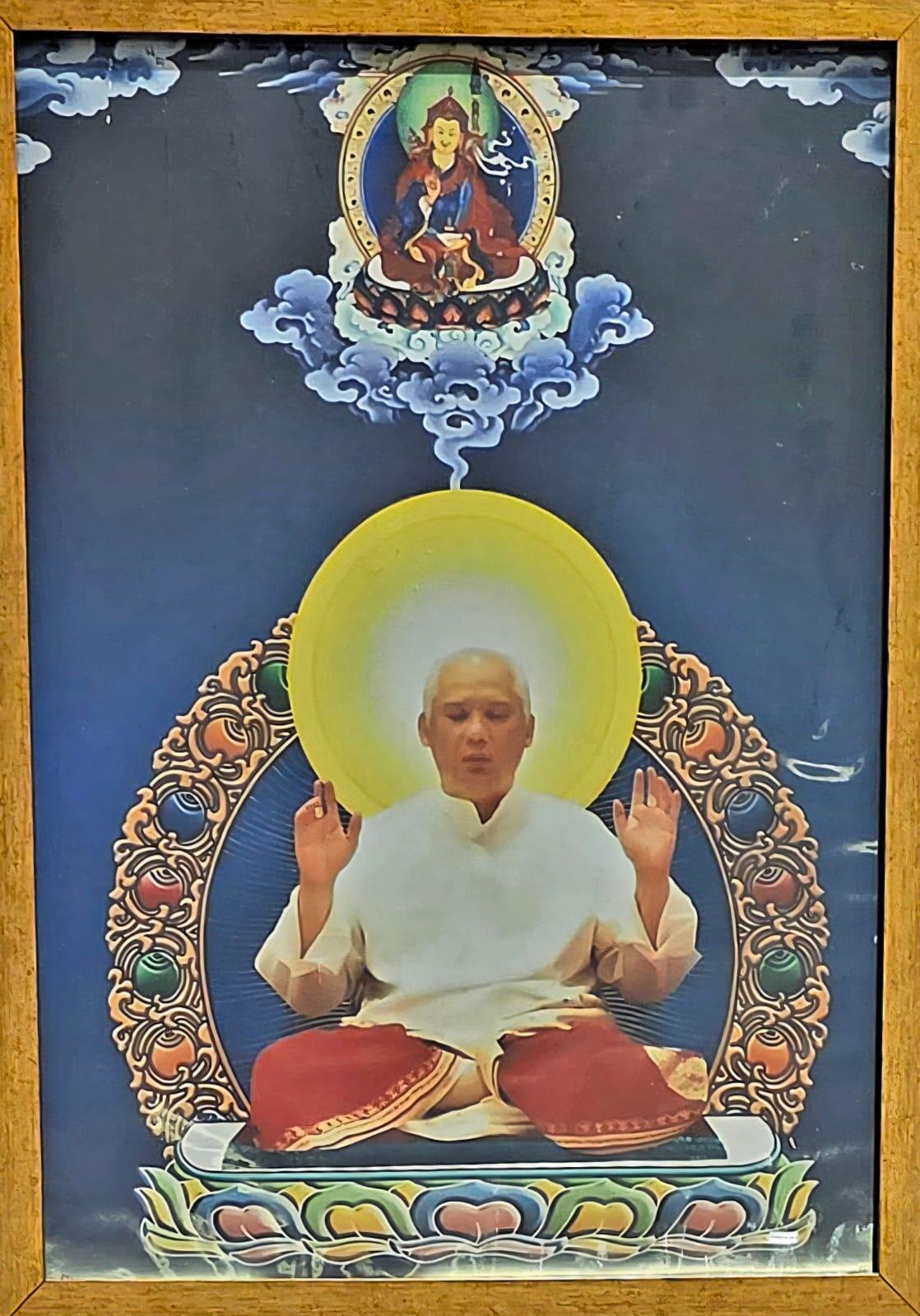
Guru Padmasambhava gave the concept and seed knowledge of Pranic Healing to his disciple Master Choa, who researched it as a spiritual scientist, developed and structured it, and finally founded the World Pranic Healing School and School of Inner Studies. As I continue to follow both Masters, I increasingly perceive a profound thread connecting ancient spiritual wisdom with modern spiritual science. For me, this is the essence of the spiritual lineage and legacy of Pranic Healing.
Disclaimer
Views expressed above are the author’s own.