North Carolina woman fell from 14,500 feet after both parachutes failed, crashed onto a fire-ant mound and survived more than 200 stings


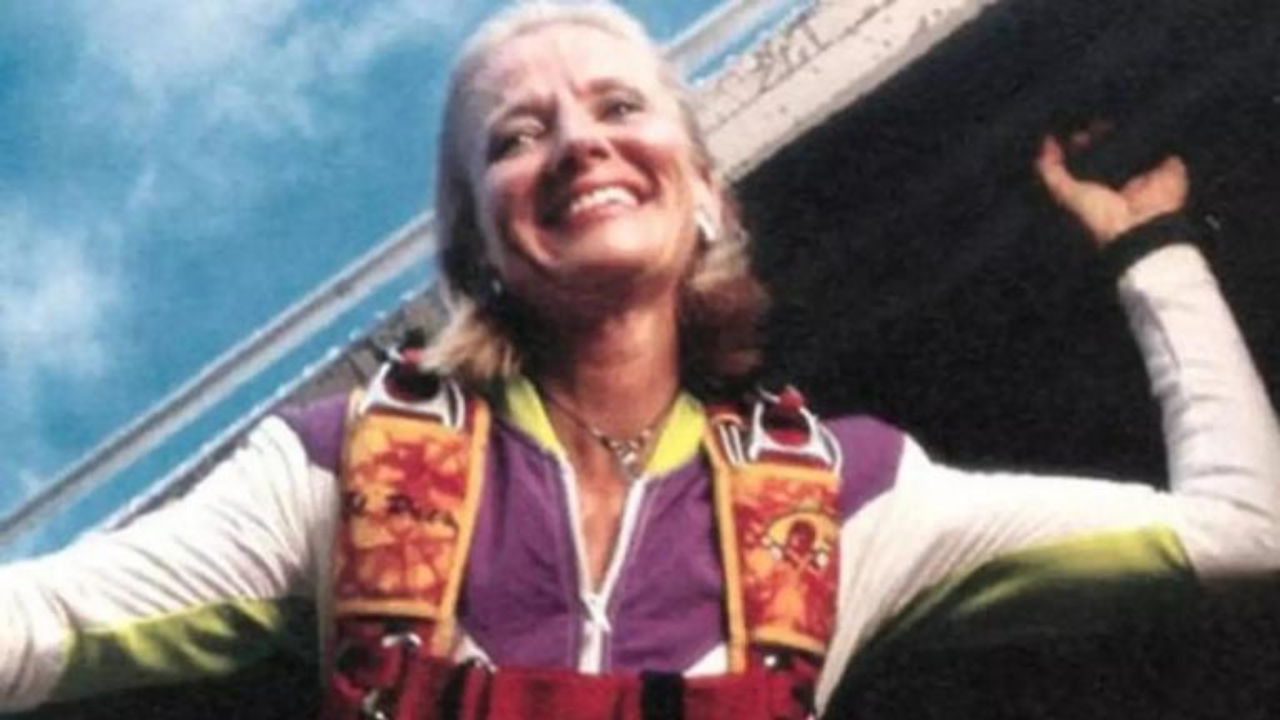
In September 1999, Joan Murray, a 47-year-old Bank of America executive from Charlotte, North Carolina, survived a skydiving accident that left her with devastating injuries. She had jumped from about 14,500 feet when her main parachute failed to open. Her reserve parachute deployed at roughly 700 feet but soon lost its effectiveness. Murray then struck the ground at around 80 mph. She landed on a mound of fire ants and was stung hundreds of times while seriously injured. Murray later said doctors believed the ant stings could have contributed to her survival, although the exact medical explanation was never established. She spent about 15 days in a coma and underwent extensive treatment before eventually returning to skydiving.
North Carolina woman’s 14,500-foot jump turned into a fight for survival
Murray had already made numerous jumps before the accident. Accounts from the time put her previous experience at roughly 30 to 35 skydives. On September 25, 1999, she boarded a plane for another jump in the Chester County area of South Carolina. She left the aircraft at about 14,500 feet and initially had a normal descent. The danger began when she tried to deploy her main parachute. It failed to open despite repeated attempts. Murray eventually turned to her reserve parachute. It opened when she was only about 700 feet from the ground. That gave her almost no time to correct the situation. Murray later explained that she was holding the reserve cutaway handle while trying to brake the canopy. This sent her into a hard right swing. The canopy then lost air and collapsed. Even so, the brief deployment reduced her speed from about 120 mph to roughly 80 mph.Murray then crashed into the ground at an estimated 80 mph. She later told CNN that she struck the ground horizontally. She believed that position helped spread the impact across her body and gave her a chance of surviving. The injuries were still severe. She shattered her right leg and fractured her femur. Her pelvis broke in four places and her hip socket was badly damaged. She also suffered a collapsed lung, broken ribs and a shattered elbow. The accident took an extraordinary turn after the impact. Murray had landed on a mound of fire ants. The disturbed colony swarmed over her and began stinging her repeatedly. Contemporary accounts reported more than 200 stings. Murray herself later described having several hundred fire-ant bites. She remained badly injured on the ground until rescuers arrived.
Doctors believed the fire-ant stings might have helped
The strange role of the fire ants became part of Murray’s survival story. She later told CNN that she was involved in a study because doctors thought the stings might have been one reason she survived. Murray said the bites produced such an intense reaction that doctors considered them potentially important during the period before she received medical care. However, the claim that an adrenaline surge from the stings definitely saved her has not been conclusively established.Murray was taken to hospital with extensive trauma on the right side of her body. She remained in a coma for about 15 days and required numerous operations. In her CNN interview, she described extensive fractures as well as damage to her lungs, teeth and elbow. She eventually woke from the coma and began the long process of rebuilding her strength and mobility.The recovery involved extensive surgery and rehabilitation. Secondary accounts have reported around 20 reconstructive operations and 17 blood transfusions. These figures are widely repeated in stories about the accident, although Murray’s CNN interview itself does not provide those exact totals. What is clear is that her treatment was extensive and that she eventually regained enough mobility to return to her normal life.
She returned to skydiving after surviving the crash
Murray did not permanently walk away from the sport. By 2004, she had already returned to skydiving and told CNN that the comeback jump was one of the biggest steps of her life. She described it as a way of bringing closure to the accident and said she did not believe her experience represented the sport itself. Her return became the final extraordinary chapter in a story that had begun with two failed parachutes.Murray’s accident remains remarkable because several potentially fatal events happened in succession. Her main parachute failed, her reserve parachute became ineffective and she struck the ground at around 80 mph. She then suffered hundreds of fire-ant stings while severely injured. Despite the trauma, she survived the crash, endured a lengthy recovery and eventually returned to the skies. The fire ants remain the most unusual part of the story, but their role in keeping her alive remains a theory rather than a proven medical fact.