Montreal did not build a stadium for the 2026 cycling championships; it turned the city itself into one | World News
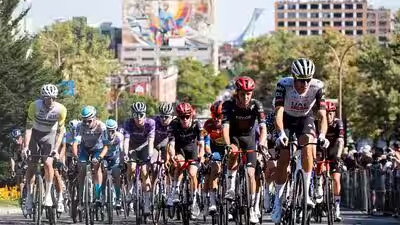
Montreal hosted the 2026 UCI Road World Championships without building a new stadium for the event. Instead, the city temporarily transformed its existing streets, parks, transport links and bridges into a huge sporting venue. Across 8 days, 13 championship events brought more than 1,000 riders from over 80 countries onto routes spread across Montreal and the surrounding Monteregie region. PropertyLabs reported the approach as a temporary conversion of public infrastructure rather than a conventional construction project. The result was a championship where the city itself became part of the venue.
How Montreal turned city streets into the cycling championships venue
The main event site was established at the foot of Mount Royal along Avenue du Parc, between Avenue des Pins and Avenue du Mont-Royal. According to the City of Montreal, this section contained the start and finish lines for every race and also hosted the Bonjour Montreal Fan Village. It was closed to vehicles from 4 September until 4 October, allowing time for the installation and removal of the temporary facilities as well as the championships themselves.PropertyLabs noted that this made an ordinary piece of public space function like event real estate for about a month. The change was temporary, but it affected everyday activities around the area, including vehicle access, parking, deliveries, waste collection and movement around nearby properties. Rather than adding a permanent building to the city, the organisers changed how existing infrastructure was used.
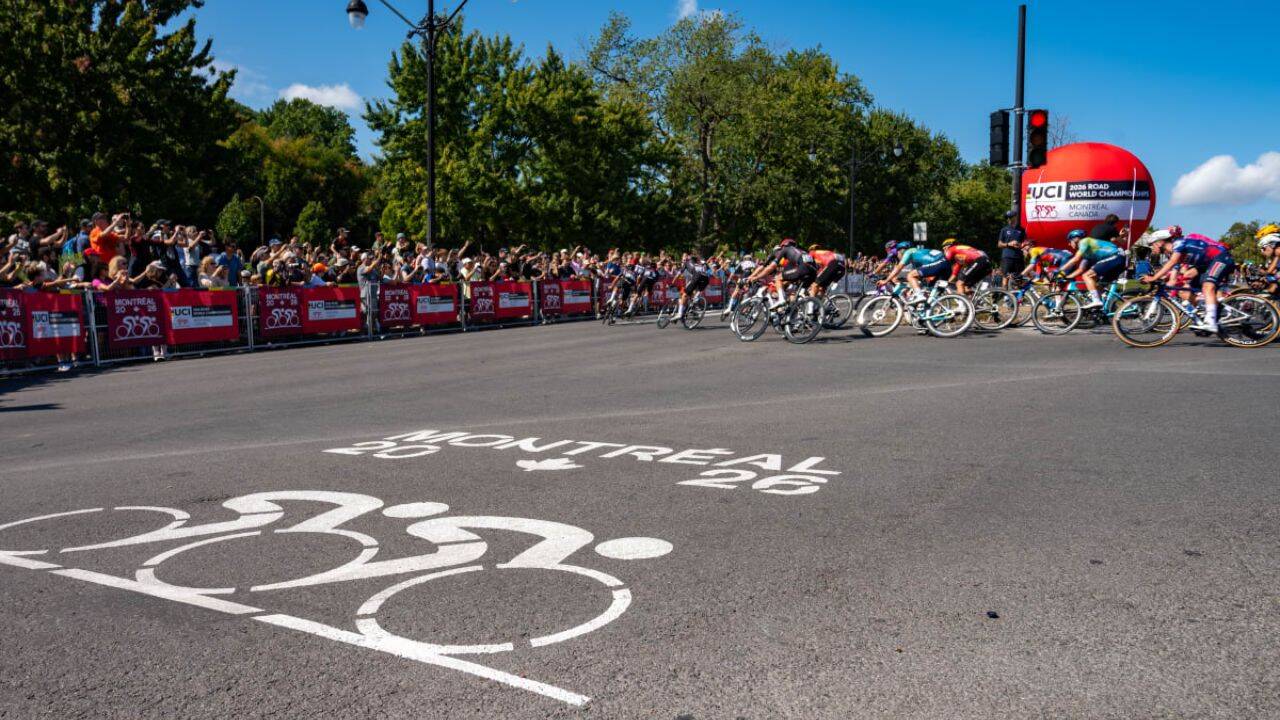
The main event site was established at the foot of Mount Royal along Avenue du Parc, between Avenue des Pins and Avenue du Mont-Royal. Image Credit: City of Montreal/Official Website
The championship route spread far beyond one central venue
The races were designed to make use of Montreal rather than keep the competition inside a single circuit. Cyclingnews reported that organisers deliberately wanted the championships to show more of the city and involve local residents. The revised course used Mount Royal as its central feature while also adding a section beyond the usual Grand Prix Cycliste de Montreal circuit.The elite races extended even further. Tourisme Montreal reported that the men’s and women’s road races began in Brossard and travelled through 8 municipalities in the Monteregie region before crossing the Samuel De Champlain Bridge into Montreal. From there, riders tackled the Mount Royal circuit before finishing on Avenue du Parc.That arrangement turned roads normally used for commuting and regional travel into sections of an international sporting course. The bridge itself became part of the competition for a short period, showing how the event relied on infrastructure that normally serves a completely different purpose.
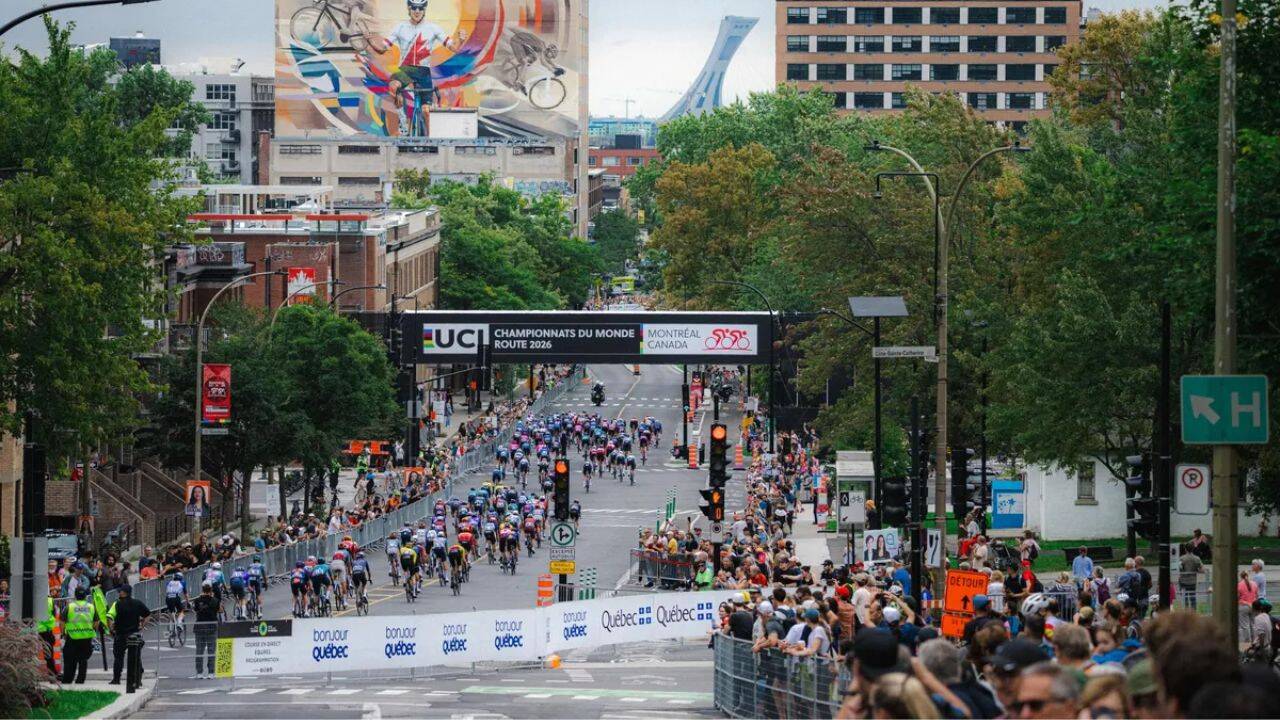
Montreal during the Grand Prix Cyclistes de Montreal 2026. Image credit: T. Brook / GPCQM/Cycling News
What changed for residents during the races
A city-wide venue also meant city-wide disruption. The City of Montreal said the championships affected streets in 7 boroughs and Westmount, with routes changing from day to day according to the event schedule. Fences were installed along race routes from the morning, while streets were generally reopened after events, apart from the main championship site.Parking restrictions were introduced along affected roads, with vehicles in restricted areas subject to towing. The city also provided information on alternative parking arrangements and changes to collection schedules in affected boroughs. Public information meetings were held in June to explain the planned closures, obstructions and transport changes to residents.Tourisme Montreal also warned that temporary road closures and public transport adjustments would affect several parts of the city during the championships.
The temporary venue required more than barriers and road closures
The scale of the operation was larger than simply putting barriers along a few streets. Cyclingnews reported that 36 kilometres of roads were due to be closed for the event, excluding sections outside the city. The championships included 6 road races, 6 time trials, a mixed relay and the UCI Congress, creating a much larger organisational task than Montreal’s established Grand Prix events.The time trials introduced another challenge because organisers had not previously hosted that type of race during the Montreal Grand Prix. The courses were planned around the St Lawrence River, where the flatter terrain suited the format. Elite time trials also crossed the river twice, adding major transport infrastructure to the sporting layout.
Why the city became part of the spectacle
Tourisme Montreal described the 2026 championships as the city’s most significant sporting event since the 1976 Summer Olympics. The event was free for spectators and included 13 road races and time trials, with fan areas along the route. More than 1,000 athletes from over 80 countries were involved, supported by about 1,500 volunteers.The decision to use the city as the venue also connected the championships with Montreal’s existing cycling identity. Tourisme Montreal noted that the city has hosted the Grand Prix Cycliste de Montreal since 2010 and has UCI Bike City status, reflecting its wider cycling infrastructure and culture.The approach also had a long history behind it. Cyclingnews reported that the idea of bringing the World Championships back to Montreal had been developing since the early years of the city’s Grand Prix races. When Montreal decided in 2021 not to bid for the 2026 FIFA World Cup, the cycling championship bid was already prepared and was submitted almost immediately.
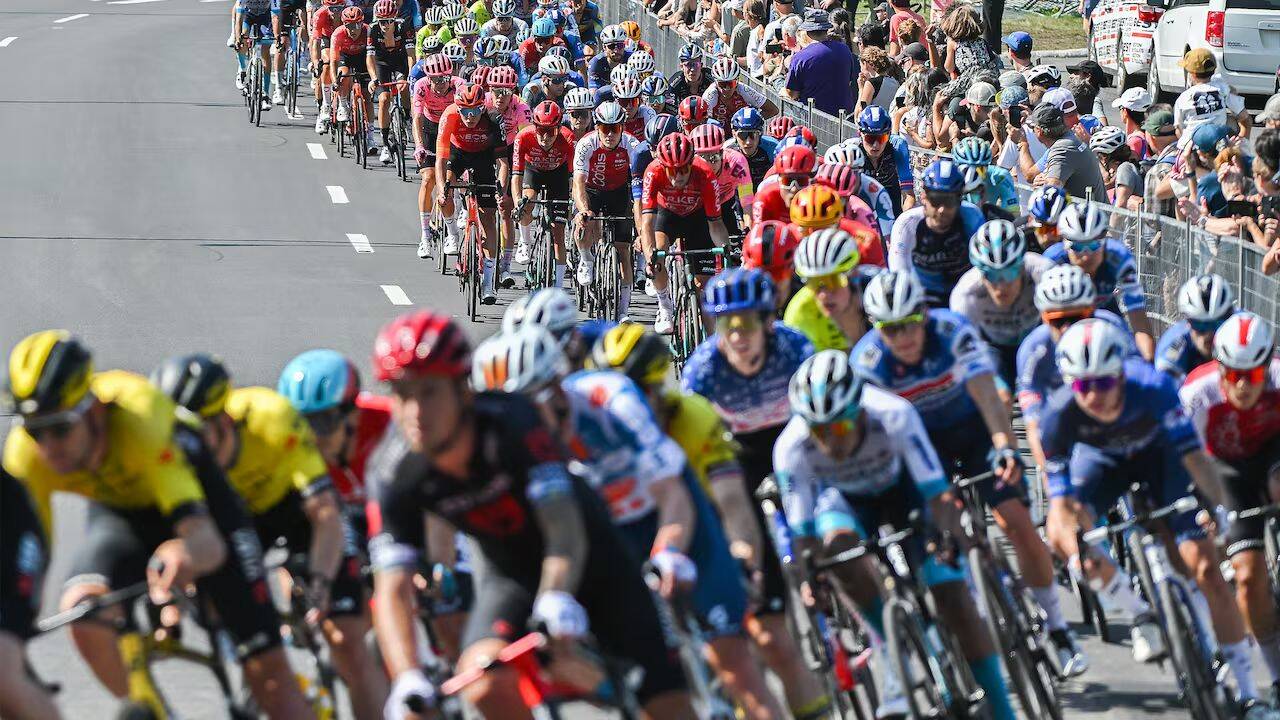
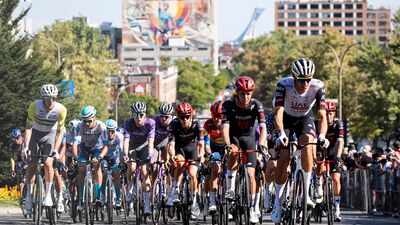
Riders wind their away along a street during the UCI Montreal Grand Prix Cycling race in Montreal in 2024. Image Credit: Graham Hughes/The Canadian Press/CBC Canada