Queensland dairy farmer Libby Rough opened just four campsites after drought forced her family to sell 40 cows; by January 2022, the riverside pitches had brought in more than A$50,000
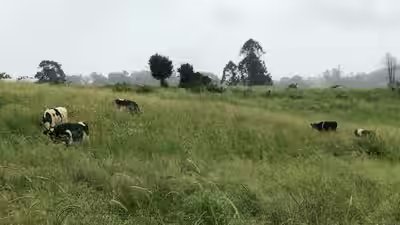
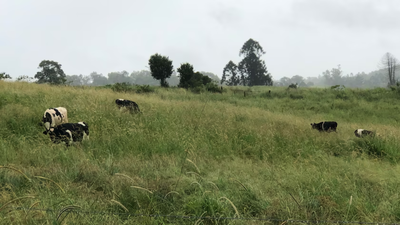
When a severe drought forced Queensland dairy farmer Libby Rough to sell 40 cows, her family faced a frightening financial crisis. Without the regular income from milk sales, everyday costs such as groceries and school fees quickly became hard to pay. To keep the farm going, Rough opened just four unpowered campsites along the river that runs through her dairy property near Kenilworth, in the Sunshine Coast hinterland. By January 2022, those four grassy sites had brought in more than A$50,000 in extra income. What began as an emergency step became an important financial lifeline for the family. Rough’s experience is part of a growing trend across rural Australia. With changing weather, higher farm costs, and unstable commodity prices, farmers are turning to agritourism and private camping on their land to help keep family farms financially secure.
Emergency decision born from drought
The idea started because the family had little choice during one of the region’s driest periods. As the pasture dried and the cost of feed rose, they had to reduce their herd. This meant losing a large share of their regular income from milk production. Speaking to the Australian Broadcasting Corporation (ABC), Rough described how serious the situation had become on the farm. “During the drought, and because we hadn’t had a milk cheque for three months, we joined up to Youcamp to help pay for groceries and school costs,” Rough told the ABC. Youcamp was an Australian private land camping platform that later merged with global outdoor booking company Hipcamp. It allowed landowners to advertise private camping spots for travellers who wanted quiet places away from busy commercial caravan parks.
Simple setups yielding major returns
The Rough family kept the camping setup simple and low impact. Instead of spending heavily on permanent buildings, costly facilities, or concrete camping areas, they offered basic natural sites along the riverbank for campers who could look after themselves. The response was quick. By August 2020, demand for outdoor stays had risen sharply as people travelling within Australia looked for outdoor breaks close to home. By January 2022, the four basic riverside campsites had earned the family more than A$50,000. The money went directly toward maintaining farm equipment and infrastructure, buying cattle feed, and paying household bills during times when farming income was low. The extra money did more than help with immediate expenses. Hosting campers gave the family a financial cushion that helped them keep their remaining cattle and continue running the dairy farm through difficult seasonal periods.
Industry sector gaining official momentum
The success of farms such as the Rough family’s has attracted attention from industry groups and state agricultural agencies. As more regional landowners showed interest, the Queensland Farmers’ Federation (QFF) published a discussion paper focused on the potential of farm tourism. The QFF said agritourism can give farmers another source of income. This can make regional businesses better able to cope with natural disasters, changes in trade, and climate shocks. Supporters say allowing farmers to host small numbers of campers needs little investment but can still bring wider benefits to local economies. People staying on farms often spend money at nearby bakeries, butcher shops, fuel stations, and country pubs. This helps spread their spending across small rural communities.
Regulatory hurdles and council reforms
Even with strong interest from farmers, planning rules have often made it difficult for landowners to start short-term accommodation businesses. Planning rules in many parts of Australia have required farmers to submit complex and expensive Development Applications (DAs) just to host a few caravans or tents on properties covering hundreds of acres. In many regional shires, council fees and other requirements made small camping businesses too expensive to operate. However, some local governments have started changing their approach. As reported by the ABC, councils such as Queensland’s Gympie Regional Council took steps to reduce these barriers. In December 2021, the Gympie council voted to double the number of caravans or tents that could be hosted on private rural properties without requiring formal DA approval. Supporters of the changes say low-density, unpowered farm camping has a small environmental impact compared with traditional commercial developments. They also say this can work well when landowners properly manage basic sanitation and rubbish removal.
Connect city visitors to local food origins
For many farmers, hosting campers has two benefits. It provides extra income while also giving farmers a chance to show city residents where their food comes from and explain the challenges of modern farming. People camping on working farms can see agricultural life up close. They may watch early morning milking, cattle being moved, and farmers caring for the land. As droughts continue to put pressure on the finances of traditional farms, small-scale agritourism is becoming more than a novelty. It is becoming a common way for farmers to earn extra money. For the Rough family, four simple riverside camping sites showed that a small piece of pasture can sometimes provide as much financial stability as a herd of dairy cows.