Jawhar, where waterfalls whisper and tribal traditions come alive
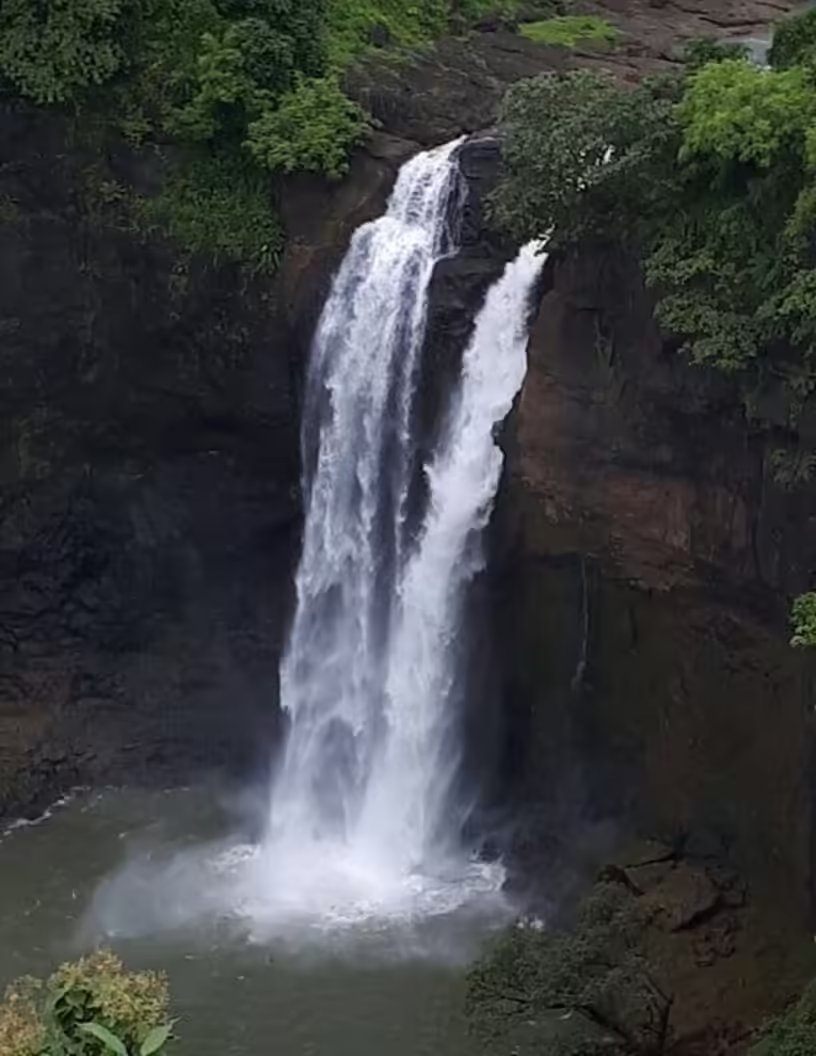
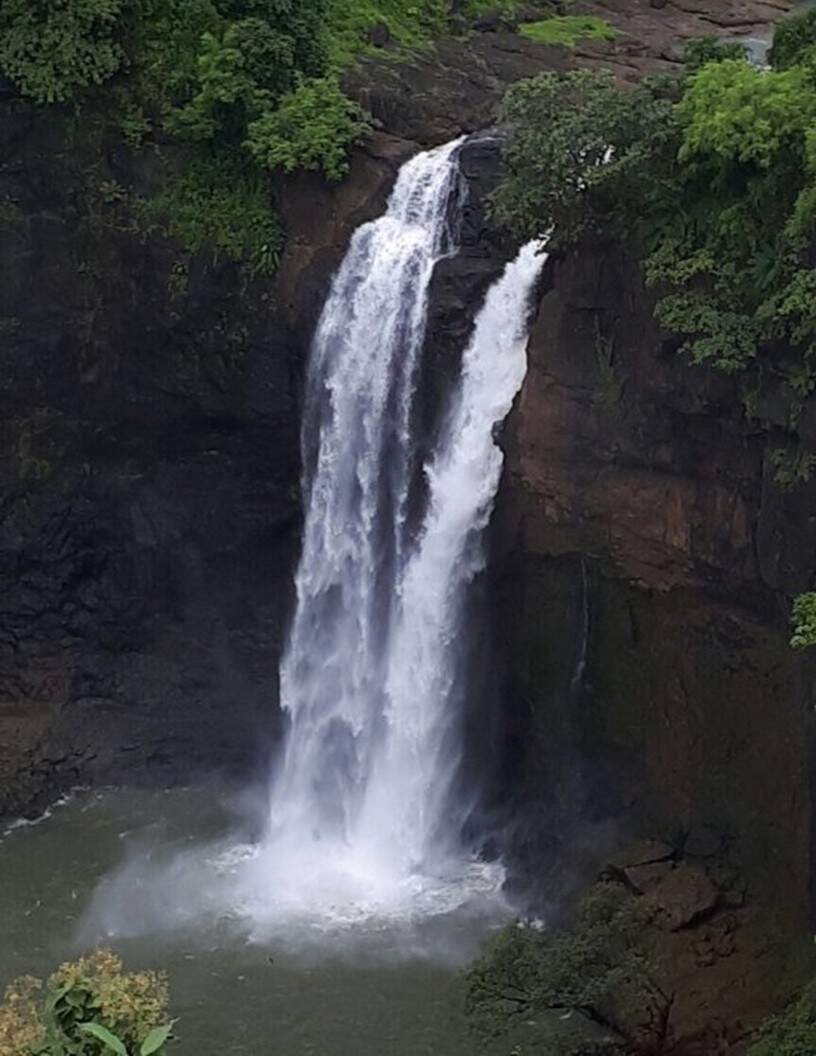
We were searching for waterfalls, cliff diving, and an unforgettable weekend getaway close to Mumbai when our friends Ameya and Arundhati introduced us to Jawhar. They spoke enthusiastically about a perennial waterfall with several natural cliff-diving points of varying heights. Their description was irresistible, and before long, we were on our way to this charming hill town in Maharashtra’s Palghar district.
Popularly known as the Mahabaleshwar of Palghar, Jawhar is a hidden treasure embraced by the Sahyadri hills. Surrounded by forests, lakes, waterfalls, rolling valleys, and rich tribal settlements, it offers a rare blend of adventure, history, culture, and serenity. Locals proudly say that Jawhar is the gateway to nearly two hundred waterfalls, and after spending two days here, I could easily believe them.

Our journey from Mumbai took about three hours. The moment we left the highway, the world around us transformed completely. Endless green fields, towering trees, the earthy fragrance after recent showers, melodious birdsong, and fresh mountain air welcomed us into a landscape that instantly calmed the senses.
Jawhar has a fascinating history dating back nearly seven centuries. It served as the capital of the former Jawhar princely state ruled by the Mukne dynasty, one of India’s oldest tribal royal families. Established around the 14th century, the kingdom was unique because it was governed by indigenous Koli rulers rather than Rajput or Maratha dynasties. During the Mughal era, the rulers maintained considerable autonomy, and later, under British protection, Jawhar witnessed the construction of roads, schools, palaces, and administrative buildings. Following India’s independence, the princely state merged into the Indian Union and became part of Maharashtra.

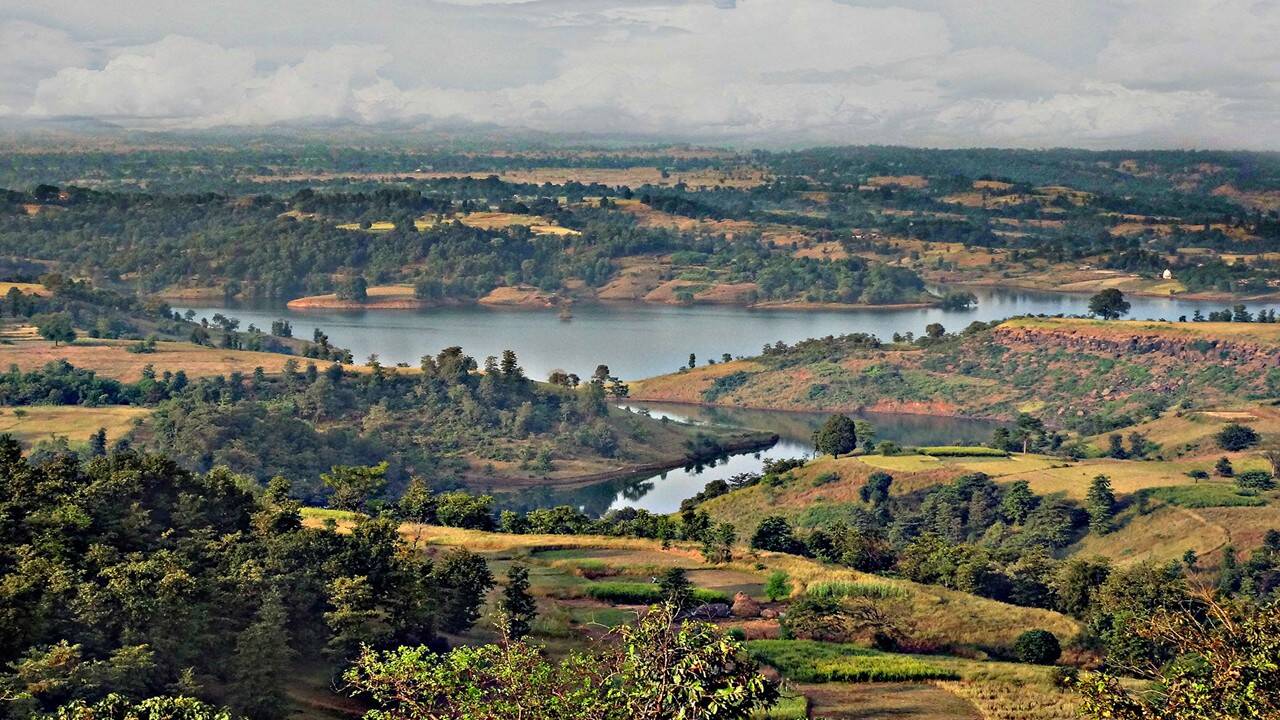
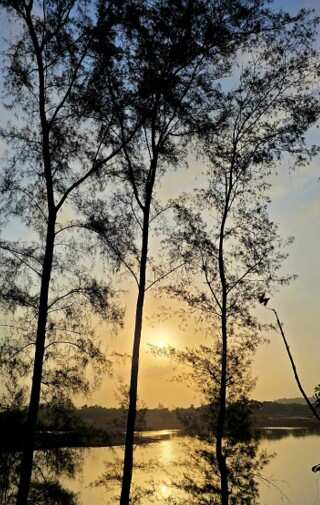
We checked into a delightful homestay created and maintained by them, opposite the tranquil Khadkhad Dam, surrounded by forested hills. The warm hospitality, beautifully designed interiors, spotless rooms, and delicious home-cooked meals made us feel instantly at home. Looking back, I was grateful that we had chosen this homestay over the nearby luxury resort because the warmth of genuine hospitality cannot be measured in stars.
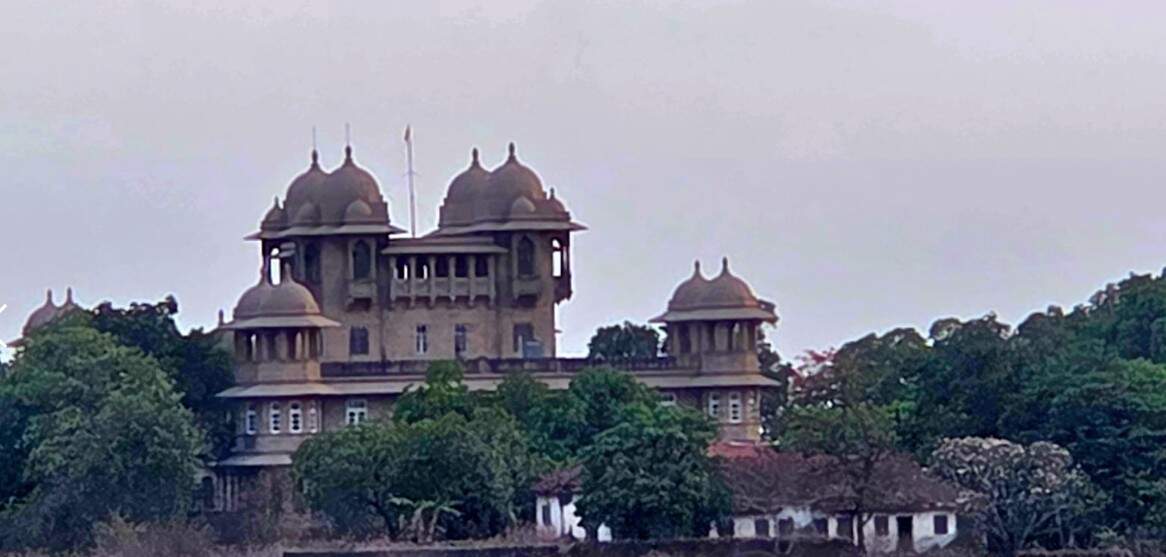
After lunch, we explored the peaceful reservoir before setting out to discover the heritage of Jawhar. The town beautifully combines royal elegance with tribal simplicity. Our first stop was the magnificent Jai Vilas Palace, built by Maharaja Patang Shah V during the 1940s. The palace blends Rajput and European architectural styles with remarkable grace. Elegant arches, ornamental pillars, spacious courtyards, stained-glass windows, graceful balconies, and manicured gardens reflect the grandeur of the former princely state while offering spectacular views of the surrounding hills.

From there, we travelled to Shirpamal, a historic viewpoint where Chhatrapati Shivaji Maharaj is believed to have rested during one of his military campaigns. Hanuman Point offered breathtaking panoramic views of dense forests and deep valleys stretching endlessly into the horizon. We also visited the historic Bhopatgad Fort, where history and nature merge to create a rewarding trekking destination.
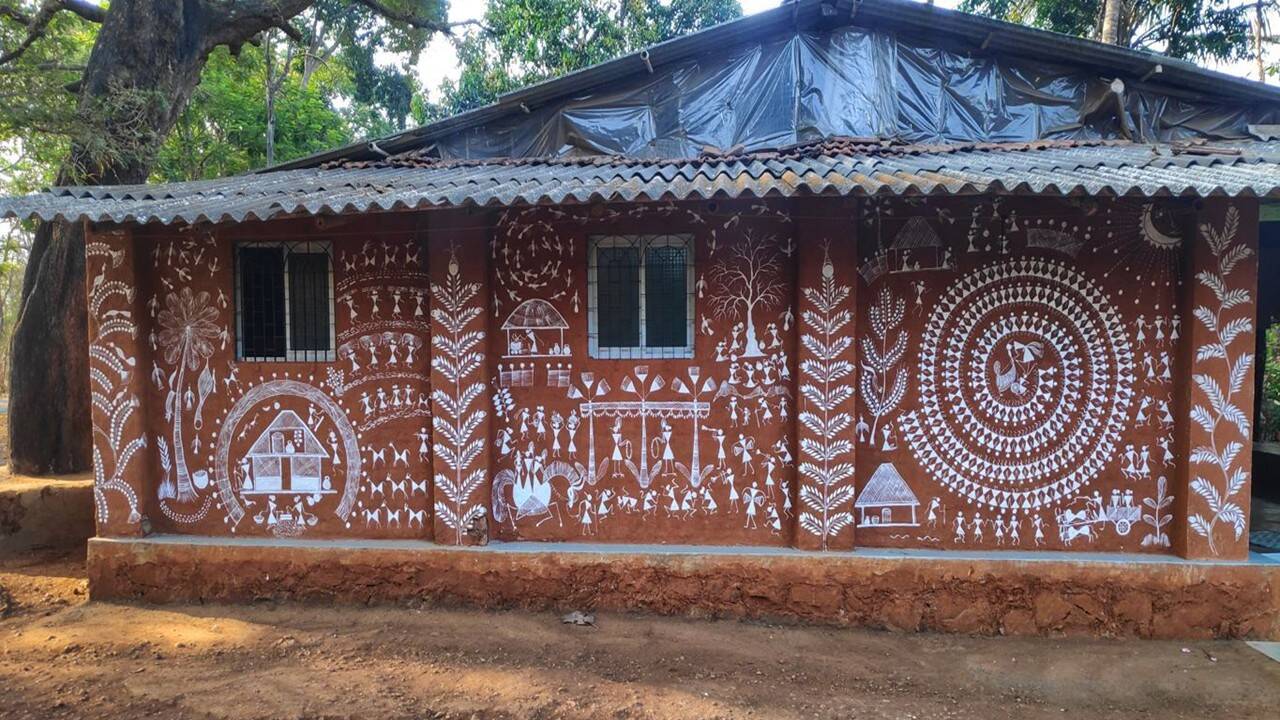
No visit to Jawhar is complete without experiencing its extraordinary tribal heritage. Driving through the villages, we admired traditional Warli homes built from bamboo, mud walls, cow-dung plaster, locally sourced timber, and thatched roofs. Their simplicity blended beautifully with the intricate Warli paintings decorating the walls.

Jawhar is the birthplace of Warli art, one of India’s oldest surviving tribal painting traditions. Using simple white geometric figures painted on earthy brown walls, these remarkable artworks narrate stories of farming, hunting, weddings, music, dance, festivals, and the harmonious relationship between humans and nature. Unlike classical paintings that pursue realism, Warli art celebrates life’s rhythms through elegant simplicity. Today, these masterpieces have earned worldwide recognition while preserving the identity of the local communities.
We also explored thriving markets displaying bamboo handicrafts, forest produce, handmade artifacts, and exquisite Warli paintings. One memorable visit took us to a small village where two talented brothers create stunning papier-mâché masks entirely by hand, keeping alive an art passed down through generations.
Equally fascinating was learning about the Tarpa dance, the cultural heartbeat of Jawhar. The Tarpa is a traditional wind instrument crafted from bamboo and gourd. During harvest celebrations, the musician stands at the centre while men and women dance in graceful circles around him, moving in perfect harmony with every note. The dance symbolises unity, gratitude, and the inseparable bond between people and nature.
Jawhar’s cuisine was another delightful discovery. We relished authentic tribal and Maharashtrian dishes, along with fresh local honey, seasonal forest fruits, and traditional delicacies prepared from Mahua flowers during festive occasions.

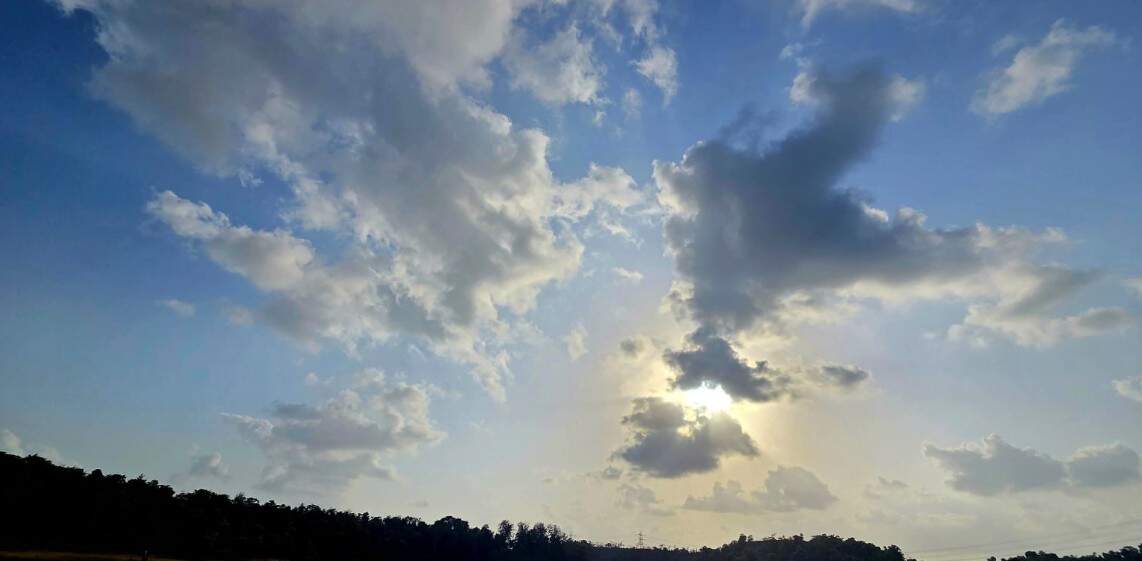
As evening descended, we watched the sky glow with brilliant shades of orange and crimson from Sunset Point. The forests surrounding Jawhar are dotted with ancient shrines dedicated to Lord Shiva, Hanuman, village deities, and tribal guardian spirits. Sacred groves protected for centuries by local communities reflect their deep belief that forests, rivers, and mountains are living manifestations of the Divine.
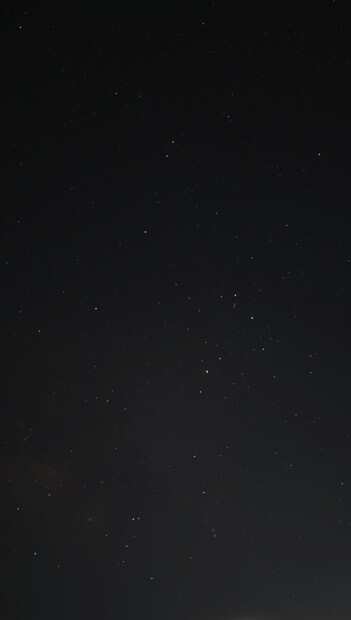
Dinner was served on the lawn illuminated by countless decorative lights that created a magical festive atmosphere. Later that night, we ventured into a nearby forest in search of fireflies. What unfolded before us was nothing short of enchanting. Hundreds of tiny golden lights floated silently above the bushes while thousands of stars sparkled across the moonless sky. It seemed as though the heavens had descended upon the earth. Never before had I witnessed such a breathtaking union of starlight, darkness, and nature.
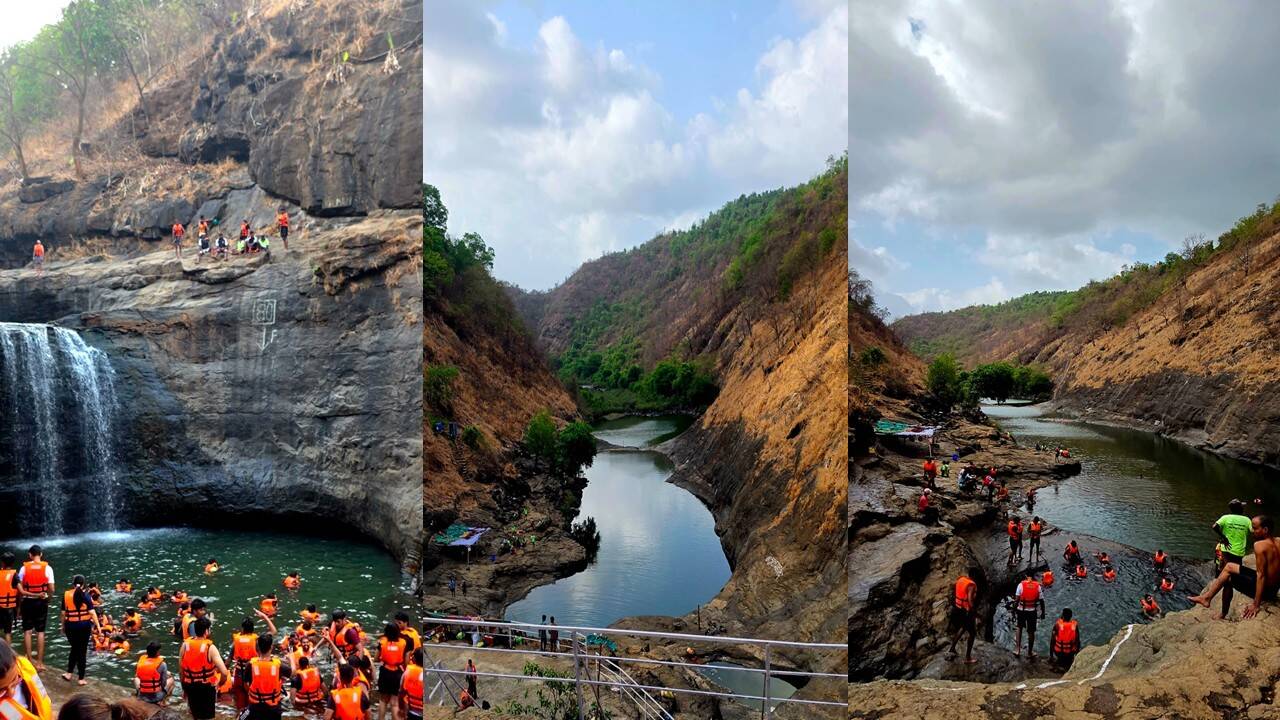
The following morning brought the adventure we had eagerly awaited. We trekked down through dense forest to the Kal Mandavi Waterfall. A lively mountain stream cascaded into three magnificent circular natural pools before disappearing into the valley below. Water poured into these pools from heights of about twenty-five, thirty, and eighty feet. Several adventure enthusiasts were already enjoying cliff diving from different heights into the crystal-clear pools. Equipped with life jackets provided by local guides, we finally took the plunge. The exhilarating leap into the cool waters was undoubtedly the highlight of our journey. Afterwards, we relaxed by swimming in the gently flowing stream surrounded by pristine wilderness.
Our final destination was the magnificent Dabhosa Waterfall, one of Maharashtra’s highest perennial waterfalls. Located about twenty kilometres from Jawhar, the Lendi river plunges nearly three hundred feet into a dramatic rocky gorge surrounded by emerald forests, towering basalt cliffs, and mist-covered hills. Numerous smaller waterfalls adorned the surrounding slopes, creating a spectacular natural amphitheatre. The deep circular basin carved by centuries of flowing water was among the most impressive geological formations I have ever seen.

Adventure continued throughout the day with rappelling beside the waterfall, valley crossing across the gorge, forest trekking, kayaking, and leisurely jungle walks where we sampled fresh berries and seasonal fruits growing in the wild.
Our journey to Jawhar turned out to be far more than an adventure holiday. It was an unforgettable experience that combined thrilling outdoor activities, royal history, vibrant tribal traditions, timeless art, pristine forests, spectacular waterfalls, and heartfelt rural hospitality. In an age when many hill stations are crowded and commercialised, Jawhar remains refreshingly untouched. It is a destination where every waterfall tells a story, every village preserves a tradition, and every traveller returns carrying memories that linger long after the journey ends.
Disclaimer
Views expressed above are the author’s own.