H-1B in Trump’s new America; Mamdani’s Bangla moment

The American dream has always come with a price tag. The visa route that brought generations of Indian professionals to America is becoming harder to navigate, even as courts push back against some of the admin’s toughest measures. A former eBay executive has turned the school run into a $1.7 billion business. And New York’s mayor has discovered that Broadway sounds even better in Bengali.
So without further ado. Let’s go.
THE BIG STORY
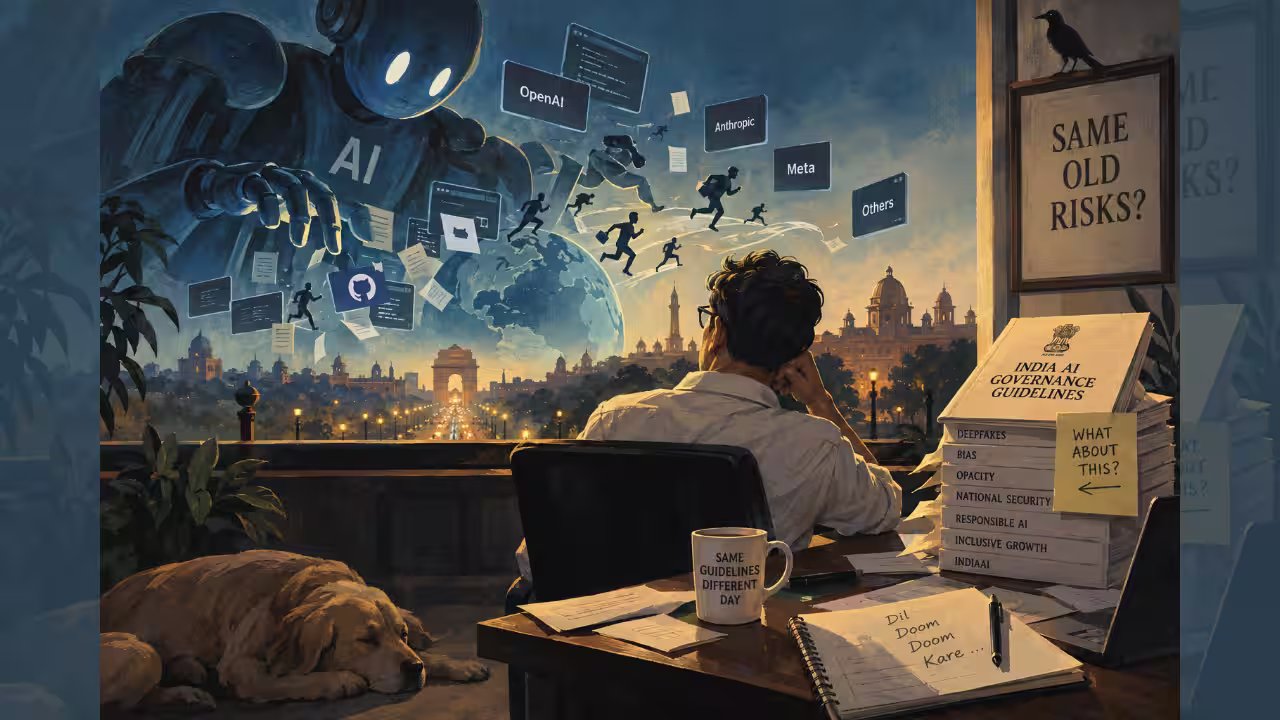
H-1B In Trump’s New America


The H-1B visa is not disappearing.
But for Indian professionals hoping to build a life in America, the path is becoming harder, more expensive and less predictable.
The changes are coming from several directions.
The Trump administration’s proposed $100,000 fee for certain new H-1B petitions was one of the biggest shocks. A federal judge struck it down in June, and the First Circuit declined in July to pause that ruling while the government appeals. The fee is therefore not currently enforceable.
But the attempt itself has already changed the conversation around America’s most important skilled-worker visa.
The lottery is changing too.
For the 2026 cap season, the Department of Homeland Security introduced a weighted selection system that favours higher-paid and higher-skilled positions. It still allows employers to compete for workers across wage levels, but the odds are no longer designed to be equal.
That matters enormously for Indian graduates entering the American workforce.
A new graduate competing for an entry-level job is now playing a different game from a senior professional commanding a higher salary.
Why it matters:
The H-1B squeeze is happening at the same time as the green card queue stretches further into the distance. India’s EB-2 pending inventory stands at roughly 351,000 petitions. India’s EB-3 queue holds another 105,000. Analysts at the Cato Institute project that an Indian professional filing a new EB-2 petition today could wait multiple decades for permanent residency at current issuance rates.
That means most Indian H-1B holders are not on a path to a green card. They are on a path to indefinite renewal. Losing a job inside that window is a sharper cliff for an Indian national than for almost any other nationality. The 60-day grace period that currently provides a buffer is itself under threat: the Department of Homeland Security is advancing a proposal to eliminate it entirely.
Driving the news:
Demand for the visa has not collapsed. Registrations in the last cap cycle hit roughly 442,000 unique applicants chasing 85,000 slots, a ratio of around five to one. The constraint is not that Indian professionals have stopped wanting to go to America. What is shifting is where the next generation is choosing to build a career.
Canada, the UK, Australia and Germany are picking up more of the flow. Wharton research finds that when US firms lose access to H-1B workers, they set up foreign affiliates and hire there at close to a one-for-one rate. The talent does not disappear. It reroutes.
NRI WATCH
From eBay to the Yellow Bus
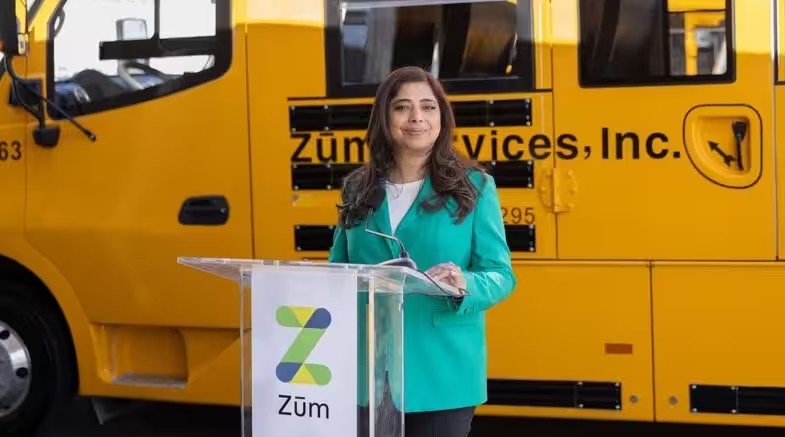

Ritu Narayan was running a billion-dollar business at eBay when she hit a problem that had nothing to do with technology.
She could not reliably get her children to school.
The school had no bus. Bay Area traffic was brutal. The alternatives were expensive and unreliable.
So Narayan quit.
In 2015, she co-founded Zum with her brothers and set out to fix America’s notoriously fragmented school-bus system.
What began as a solution to a school-run headache has become a $1.7 billion company.
Zum now works with around 5,000 schools across 18 states. Its platform uses GPS and real-time data to track buses and manage school transport. Revenue reached $333 million in 2025, up 35% from the previous year.
Narayan has also brought electric buses into the equation.
Her buses can feed unused electricity back into the grid, turning the humble yellow school bus into part of America’s energy infrastructure.
She started by trying to solve a problem for two children.
Now she is trying to fix the school run for millions.
OFFBEAT
Broadway, But Make It Bangla
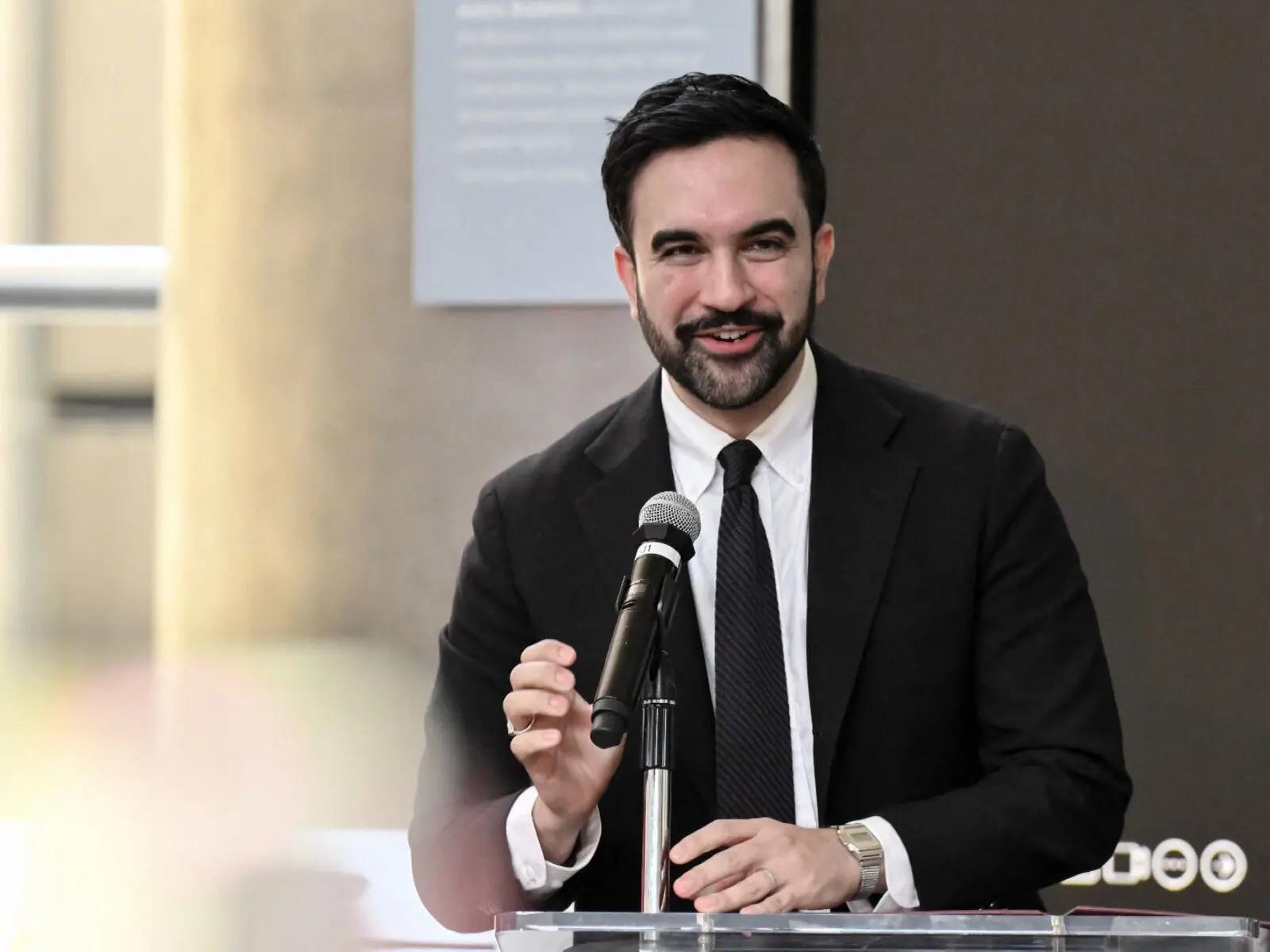

New York Mayor Zohran Mamdani announced a programme this week offering more than 2,000 free Broadway tickets to high school students through the Theatre Development Fund.
The tickets will cover seven shows and will be distributed through a student lottery.
But the announcement itself became the spectacle.
Mamdani delivered versions of it in English, Bengali, Mandarin and Spanish.
His Bengali video quickly caught attention online, with Bengali speakers praising his fluency and pronunciation. One commenter joked that the mayor’s Bangla was better than that of some Gen Z speakers in Bangladesh.
For Mamdani, switching languages is nothing new.
His campaign used Bengali and other languages to speak directly to New York’s immigrant communities.
This time, the message was simple: Broadway is not just for the people who can afford it.
And apparently, it can be announced in Bangla too.
DID YOU KNOW


NRI SPOTLIGHT


LEMONCHILLI.NEWS


News that hits like a meme, but sticks like a fact. For more, visit LemonChilli.News
Disclaimer
Views expressed above are the author’s own.