From demographic contrasts to strategic convergence: Reimagining India–Japan relations
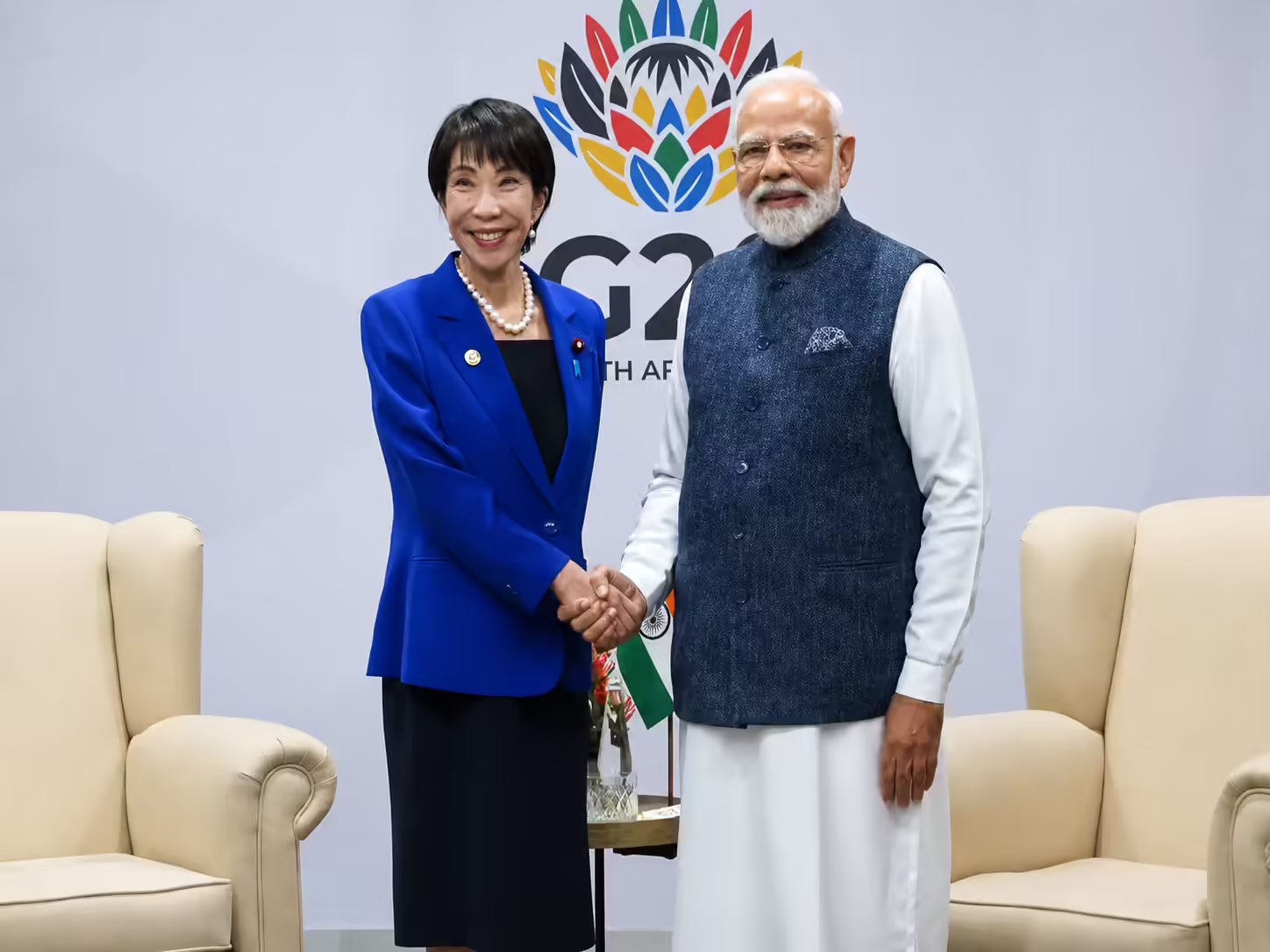
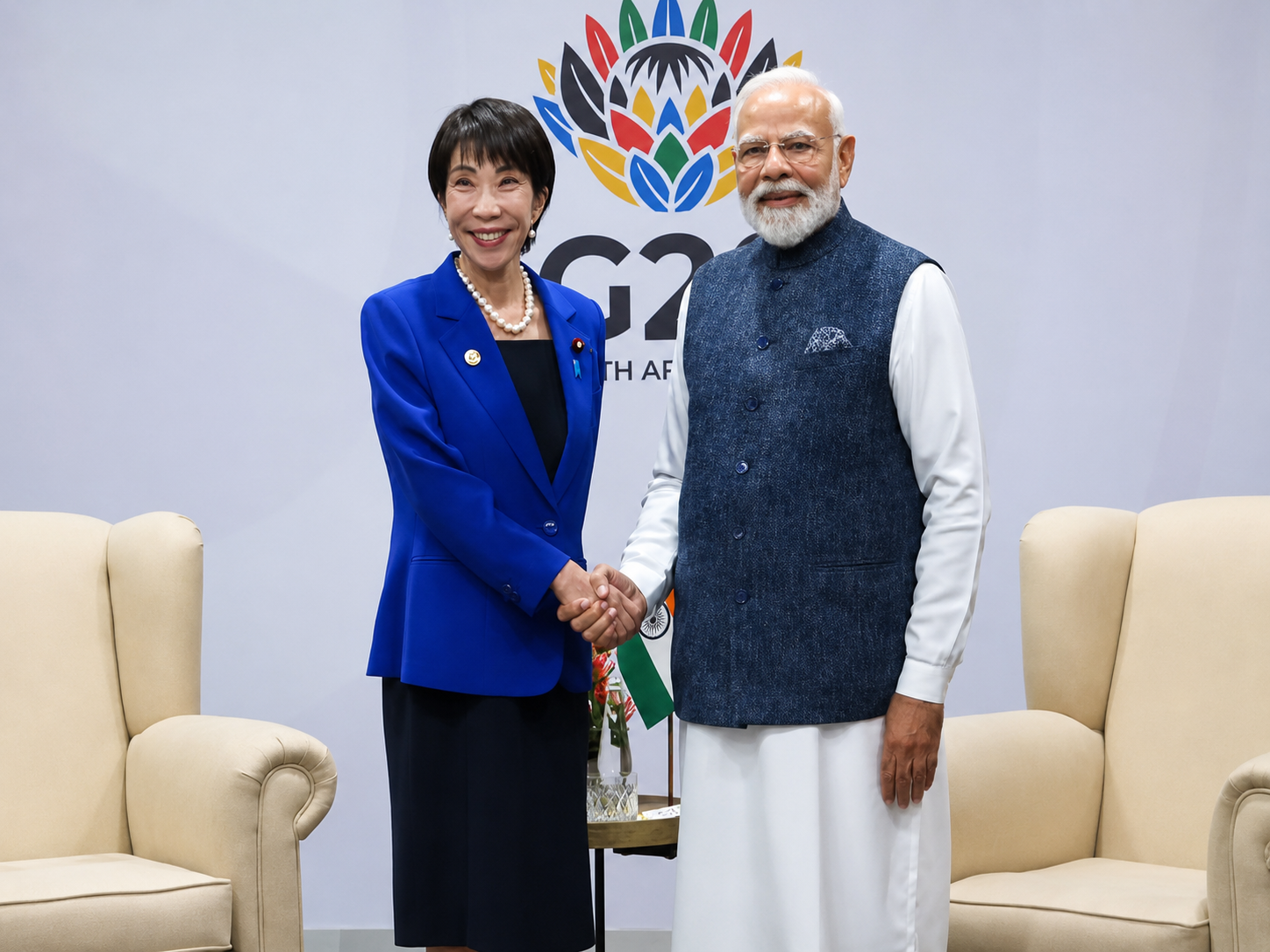
India is preparing to welcome the Prime Minister of Japan later this month as part of efforts to establish a deeper, more robust relationship between the two countries. The proposed summit-level meeting with the Prime Ministers of India and Japan will focus on many aspects of the India-Japan partnership, including economic cooperation and collaboration across fields such as artificial intelligence, infrastructure development, logistics and supply chain, and energy-related matters. There will also be a discussion surrounding the geopolitical context within the Indo-Pacific Strategic Framework.

While these are critical priorities for the relationship, another issue requires significant engagement between the two countries during the visit. This issue may prove to be more significant than many contemporary geopolitical debates. This is the question of demography.
On the face of it, the demographic statuses of India and Japan look very different. Population decline, labour shortages, and an increasingly ageing society are distinct phenomena in Japan. As far as India is concerned, we continue to enjoy a demographic dividend driven by a growing working-age population. However, these seemingly contrasting demographics do establish a remarkable opportunity for Indo-Japanese collaboration.
The future of India-Japan relations should, therefore, inevitably recognise that a demographic partnership is a critical phase of the relationship. Both these countries need to pay special attention to the following issues, which become central to this future:
1. Establishing a holistic talent and mobility collaboration
Japan has been facing the challenge of an ageing population, which has resulted in shortages across healthcare, various forms of the care economy, construction, tourism and hospitality, technology management, and other allied services. India, on the other hand, has millions of young people entering its workforce each year and is also recognising the potential of human resource development, leading to investments in education, skills development, professional training and capacity building.
What is obvious is the need for India and Japan to come together to develop an organised multidisciplinary talent acquisition and development partnership. This, I believe, will lead to a transformation in mobility from a myopic, from a myopic, short-term labour arrangement to a strategic, long-term human capital development partnership in which Japan and India should invest their resources.
2. Japan must pair demographic strategy with immigration reform
Japan needs to integrate its demographic strategy with immigration reforms. The obvious expansion in automation, robotics, and machine learning will inevitably address labour shortages in the short run, but it will not be able to compensate for the large-scale workforce requirements across different sectors. Hence, immigration reforms should be part of Japan’s long-term demographic policy initiatives. Now, the scale of the demographic transition has posed new challenges for Japan, and this will require a far-sighted and progressive approach to immigration reforms. What is needed today in Japan is a nuanced system that can support its economy while protecting and preserving the social dimensions of its society.
An immigration policy that, as part of its imagination, emphasises cultural orientation, language training and capacity building, and institutional support for the transition can lead to Indian working professionals contributing substantially to Japan’s social, economic, and demographic needs. The focus cannot be on the mass movement of people. Instead, the vision should be the establishment of transparent and beneficial pathways for both countries that allow Japan to access Indian talent in India and abroad, while recognising that labour shortages are critical in various sectors.
3. Creating a joint India–Japan care economy
As Japan evolved in the post-Second World War era, one of the central realisations of its society has been that the ageing issue is not only a social challenge but also an economic and developmental challenge. As the demographic evolution continues with an ageing population, new industries are emerging. All this, in a holistic manner, is known as the silver economy.
In the next few decades, India will have among the world’s largest elderly populations. There is significant demand for high-quality, professionally trained, and committed staff who provide age-appropriate health care services.
This has been achieved through innovative investments, joint venture initiatives, knowledge- and research-based collaborations, and initiatives focused on the needs and aspirations of the elderly. India can gainfully use this expertise and draw inspiration from Japan to develop a modern, sustainable care economy to further mitigate the challenges posed by demographic pressures, which will become truly significant in the decades to come.
An equally important dimension of the India–Japan care economy partnership is the greater participation of women in the workforce. Both countries have underutilised female labour force participation rates. Japan’s female labour force participation is around 55%, while India’s is around 33% (ILO data). Therefore, both countries should explicitly focus on women’s mobility as part of this care partnership. Women from India could be trained and deployed to Japan as certified care workers with access to safe housing, harassment-free workplace protocols, and opportunities for long-term career progression.
At the same time, India should draw lessons from Japan’s experience to improve the working conditions of its largely informal female care workforce, including developing common standards relating to wages, workplace safety, and social security protections. This benefit would significantly contribute to a new phase of economic cooperation between India and Japan, which together help create jobs, advance health care outcomes, and empower both societies to deal with these challenges in the future.
4. Integrating Japanese hardware excellence with Indian digital innovation
Japan has led various scientific and technological advancements in robotics, assistive and enabling technologies, rehabilitation systems, medical devices, and smart AI-enabled health care solutions. Undoubtedly, trengths that India brings to address these challenges. Our expertise in software AI, success in expanding digital public infrastructure, affordable health care, and experience in promoting equity and inclusion in creating access have received international attention.
Capabilities that are prevalent in India and Japan require both collaboration and integration. India and Japan need to work together to develop exclusive innovation platforms that enable the development of ageing-related technologies. India and Japan have a unique opportunity to become pioneering leaders in this emerging sector.
5. Lessons from Japan for India before we face similar challenges
Japan helps India understand that technology or investment alone is not enough. It is the sheer experience of addressing the ageing challenge. While India is fortunate to have a young population today; the demographic transition is already underway. India is expected to have millions of elderly citizens facing the ageing challenge by 2050. If we take action now, we will be in a position to address these challenges and better prepared to do so.
The opportunity to learn from Japan, which offers a living, experiential learning environment, would work well for India. This will also enable us to work towards social security reforms, all of which will become critical for India in the decades ahead. India should begin learning now, not wait until ageing becomes a challenge for us.
The India-Japan relationship has historically focused on a few areas, with greater emphasis on collaboration in manufacturing, technology transfer, and infrastructure. The next chapter of this partnership, however, needs not only physical infrastructure but a significant commitment towards human infrastructure. It can also include two countries with contrasting demographic realities partnering to address the defining and central challenges of our age.
The challenge of ageing in society is not a distant fantasy. It is a structural transition that will impact future social and economic competitiveness and community consciousness. This will also have a direct bearing on national prosperity. All this will mean that India and Japan have the opportunity to partner to address the challenges of ageing.
Disclaimer
Views expressed above are the author’s own.