Coffee didn’t wake me up, it enlisted me
Summary: Why I gave up tea for a life that reports for duty.
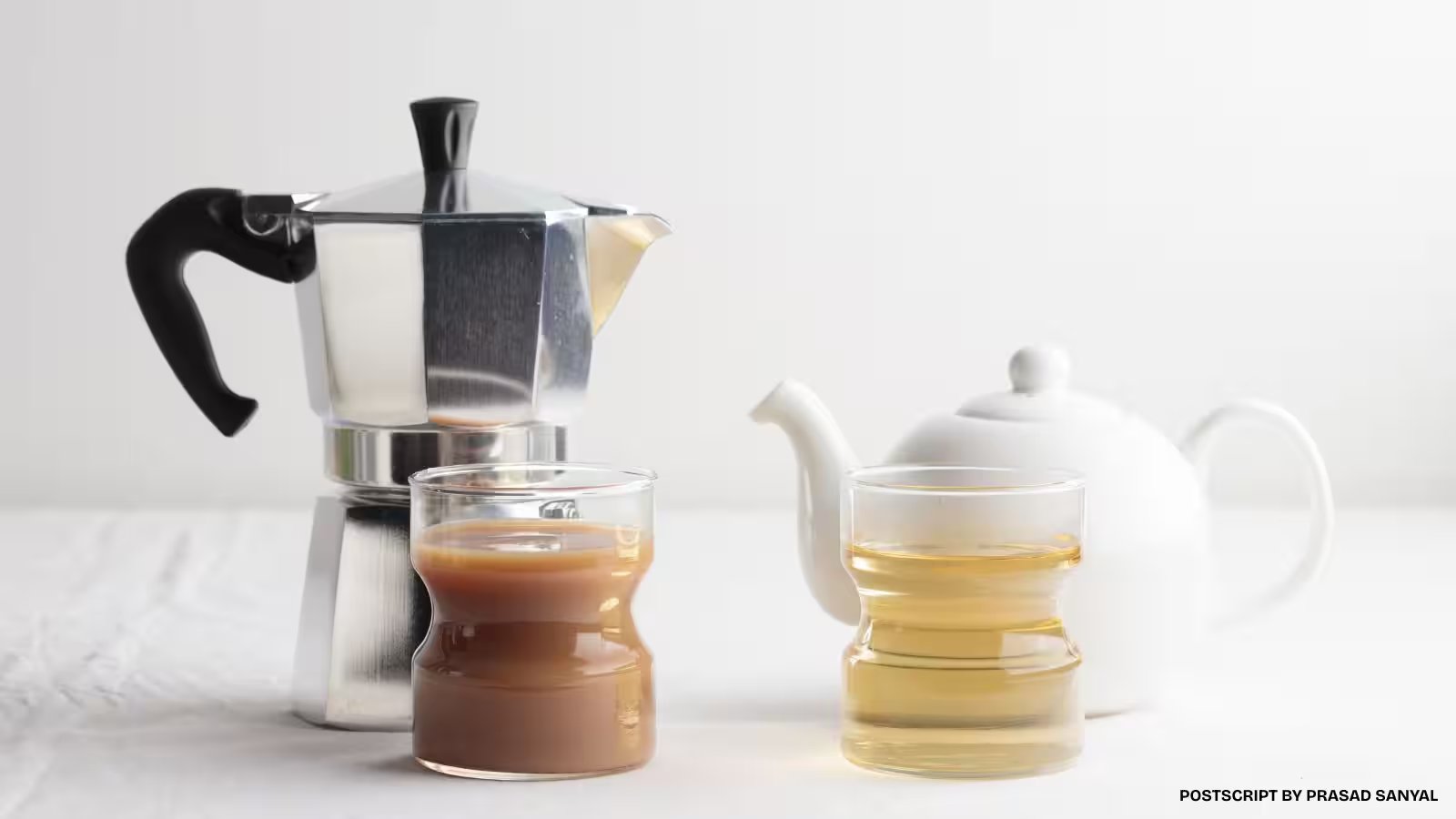
For nearly twenty years I have been a coffee drinker, which, for a Bengali, is rather like admitting one has always found Rabindrasangeet a touch repetitive. People become concerned. They stop asking whether you take milk or sugar and start wondering what else went wrong in the upbringing.
The official defence is respectable enough. Good Darjeeling is an exacting companion. It wants water just off the boil, leaves handled with something like courtesy, patience measured in minutes rather than impatience measured in decibels and then someone who grasps that brewing tea is an act of restraint, not combustion.
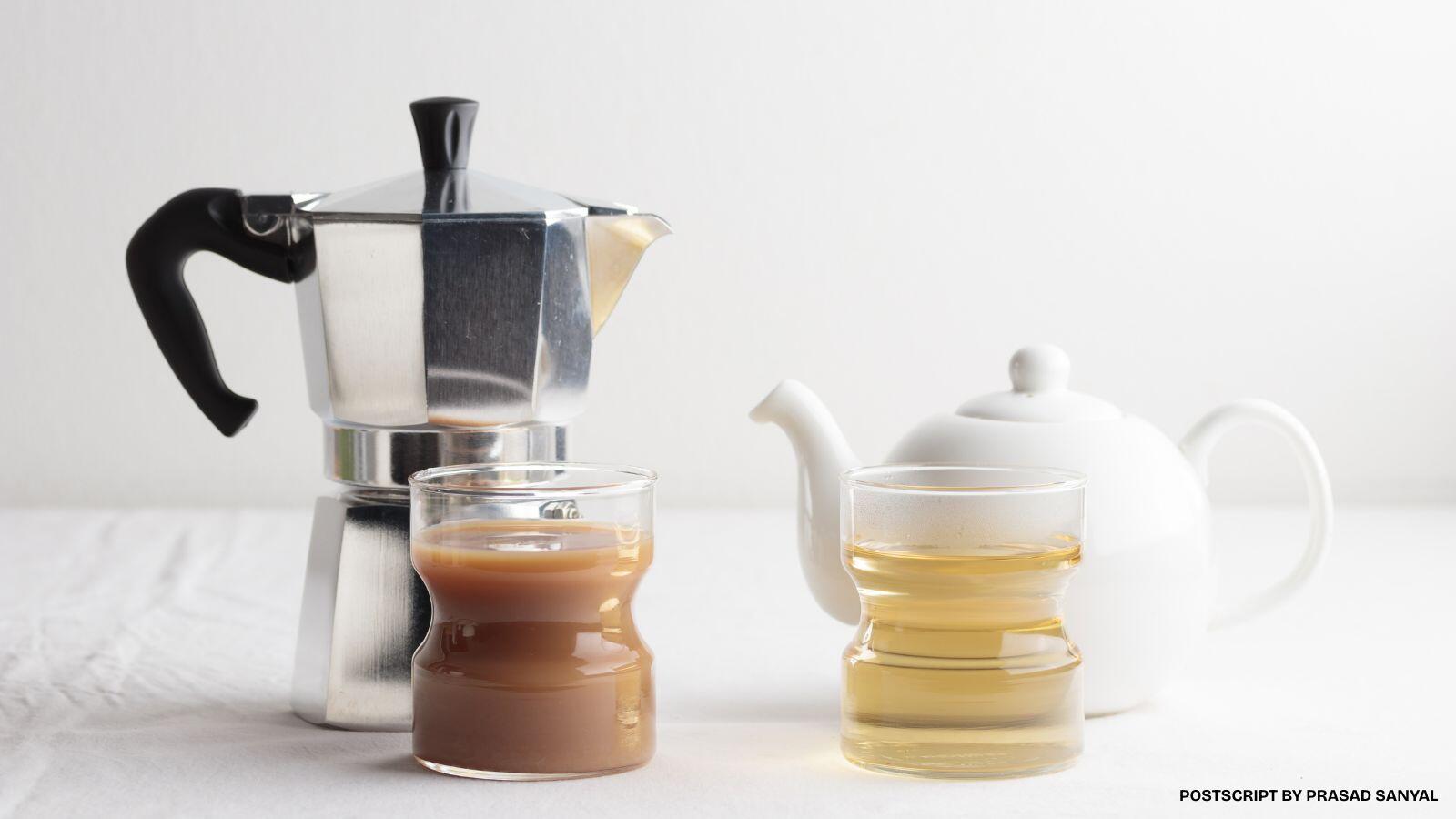

My house helps have never troubled themselves with this philosophy. Here water exists in two states: not yet boiling and regrettably boiling. The second flush from a celebrated garden therefore arrives in my cup looking less like one of India’s great agricultural achievements and more like an exhibit tendered in evidence.
I could, of course, make it myself. That I have not in two decades explains more about middle-class aspiration than a shelf of sociology. We speak of privilege as though it begins with money when it more often begins with the quiet decision that certain ordinary acts should simply vanish from one’s day. Somewhere between earning a little more and growing a little older, breakfast stopped being something I prepared and became something I expected to find already prepared.
Coffee is a forgiving creature. It tolerates imprecision with a generosity tea has never bothered to cultivate. The water can run hot, the grind uneven, the beans older than is strictly decent and someone can make it without the faintest emotional stake in the outcome and it will still emerge, recognisably, as coffee. It survives neglect with real dignity. Increasingly I suspect this is why the age chose it.
We flatter ourselves that we chose coffee for strength, for caffeine, because Silicon Valley drinks it and cafés are better lit than tea stalls. None of this is wrong but none of it is remotely the whole story.
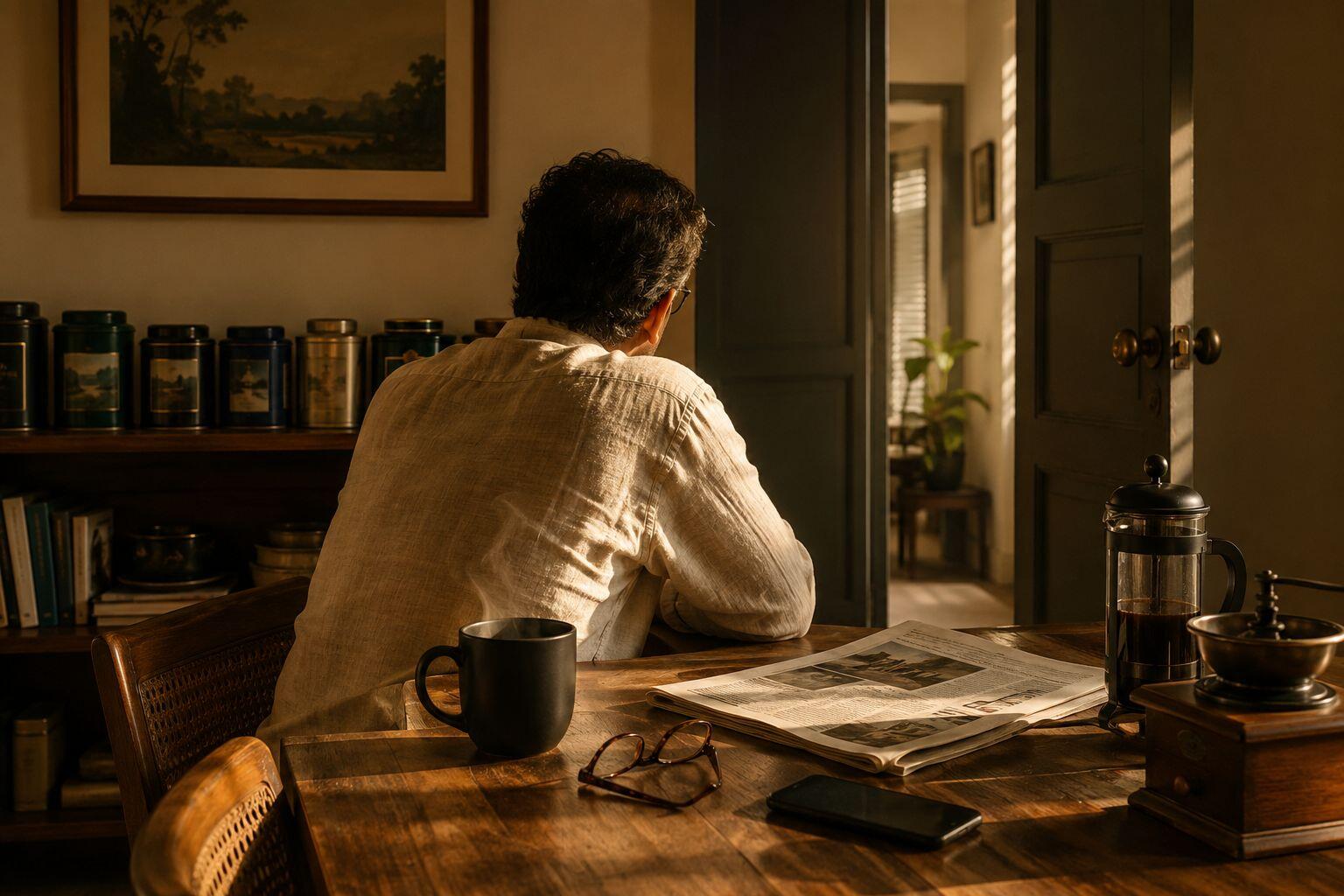

Coffee won because it belongs to a civilisation that has grown intolerant of any ritual it cannot accelerate. The modern morning is an astonishing feat of optimisation. Before we have exchanged a meaningful sentence with another human being, we have counted our sleep, measured our pulse, closed yesterday’s rings, skimmed overnight mail, glanced at the markets, read headlines alarming enough to justify a second cup, and perhaps congratulated ourselves on achieving mindfulness via an app that interrupted us to say so.
We no longer wake up; we initialise. The coffee is merely the first software update of the day. This was never really about the beverage. It is about the kind of life that produces one.
Tea belonged to afternoons that expected to be interrupted. To railway platforms, newspaper offices, court corridors, college canteens, drawing rooms where visitors overstayed because nobody had yet coined the phrase “hard stop.” Tea assumes the conversation may wander. It has no objection if a latecomer joins halfway through. The kettle can always go back on.
Coffee, at least the sort we have trained ourselves to admire, is a solitary business. It is taken before the meeting, before the commute, before the inbox, before the children, before the world is granted access. Somewhere in the last twenty years it stopped being refreshment and became a customs post through which neither conversation nor decision may pass without clearance.
The odd thing is that I don’t think coffee made me this way. It merely arrived at the precise historical moment the rest of life stopped forgiving.
Journalism changed and the digital avatar abolished the languid afternoons. Phones stopped ringing because they no longer needed to; they vibrated instead, with the confidence of an institution assuming immediate obedience. Work dissolved the modest boundary that once fenced office hours off from the rest of existence, and home became simply another address from which one attended meetings.
I have outsourced the shopping, the laundry, the commute, the entertainment, increasingly the remembering and somehow emerged with less time than I started with.
Perhaps that is why coffee feels so exactly right. It asks nothing but efficiency and that is now the unofficial faith of the middle classes. We admire the people who optimise their mornings, automate their money, batch their decisions, meal-prep their Sundays.
We have grown suspicious of anything that cannot be justified by output. Even leisure now arrives with performance indicators: holidays that require itineraries, walking that requires a step count, reading that requires a target or takeaway. We have found a way to rest competitively.

Tea, examined honestly, is almost offensively uneconomic. It asks you to linger, at an hour when lingering has become difficult to defend. That, I suspect, is what actually left my mornings. Not the tea. The assumption that the day might begin without first arming for it.
I still buy excellent Darjeeling. Friends, crediting me with more character than my habits warrant, keep gifting handsome tins embossed with the names of gardens, elevations, flushes. They line a cupboard with the quiet moral authority of unread classics on a shelf. Each unopened tin is the man I keep insisting I am: patient, attentive, appreciative of slow things.
Every morning I report for duty instead. Not because coffee tastes better, though some mornings it plainly does. Coffee fits the architecture of the life I have quietly built, one in which even the first drink of the day is expected to enlist. The coffee isn’t the cause. It is only the first honest thing that happens every day (and on some afternoons too).
Disclaimer
Views expressed above are the author’s own.