Bullfrogs were brought west for food, hunting and pest control; along Montana’s Yellowstone River, their invasion grew from 37 to 66 miles in just 3 years | World News
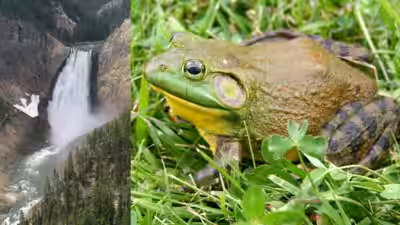
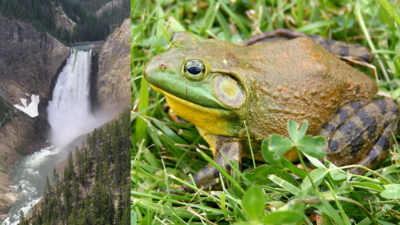
American bullfrogs spread along roughly 66 miles of Montana’s Yellowstone River floodplain by 2013, up from about 37 miles in 2010, according to a US Geological Survey report published in October 2014. Researchers also recorded an increase in breeding sites, from 12 to 45 over the same period, and the findings documented a rapidly expanding population of a frog native to eastern North America but introduced to the Yellowstone River region, near Billings, through human activity.People helped bring the frogs to MontanaBullfrogs have been moved beyond their native range for several reasons, including food, recreational hunting, fishing bait and pest control, and some have also been released as unwanted pets. USGS researchers found Yellowstone River bullfrogs at public-access locations with deeper water and emergent vegetation, including ponds and impoundments. Those habitats would have been difficult for the frogs to reach naturally from their eastern North American range, which strengthens the case for human-assisted introduction.The species was first documented in the Yellowstone River floodplain in 1999, and its size, broad diet and ability to reproduce quickly make it a successful coloniser of suitable wetland habitat. The USGS said the 2010, 2012 and 2013 surveys found bullfrogs firmly established in the floodplain and spreading both upstream and downstream. The invasion advanced farther downstream, where river flow could carry animals or their early life stages into additional habitats, and the number of breeding locations also rose sharply during the survey period, which indicated that the population was not simply appearing in new places but reproducing across a wider area.Deeper water provided suitable habitatResearchers searched for adult frogs, egg masses and larvae during field surveys, and also listened for calls from breeding males, travelling by road, on foot and by boat along wetlands and waterways. The frogs were linked with deeper water and emergent vegetation, conditions common in permanent ponds and backwaters, and these findings matter for monitoring because they give land managers a way to prioritise surveys and identify places where new populations may become established.The study was published in the journal Aquatic Invasions, and its authors included scientists from the USGS, Montana Natural Heritage Program, Bureau of Land Management and Montana Fish, Wildlife and Parks. The peer-reviewed paper reported the same increase from roughly 60 kilometres of occupied floodplain in 2010 to 106 kilometres in 2013.Native amphibians could face competitionBullfrogs are large, mobile omnivores that consume a wide range of prey, and their spread has been linked to declines in amphibians and reptiles in other parts of the world, with scientists having raised concerns about competition and predation where bullfrogs overlap with native species.In the Yellowstone River study area, however, the local effects were not yet established when the USGS released its findings, and researchers identified northern leopard frogs as a species of particular concern because their habitat overlaps with that of bullfrogs. The report did not claim that bullfrogs had already caused a measured decline in Yellowstone River leopard frogs, and that difference matters for wildlife management. A rapidly spreading non-native species can present a risk before scientists have enough data to measure its full ecological impact, and monitoring native populations alongside bullfrog numbers is necessary to determine whether those risks are translating into local declines.
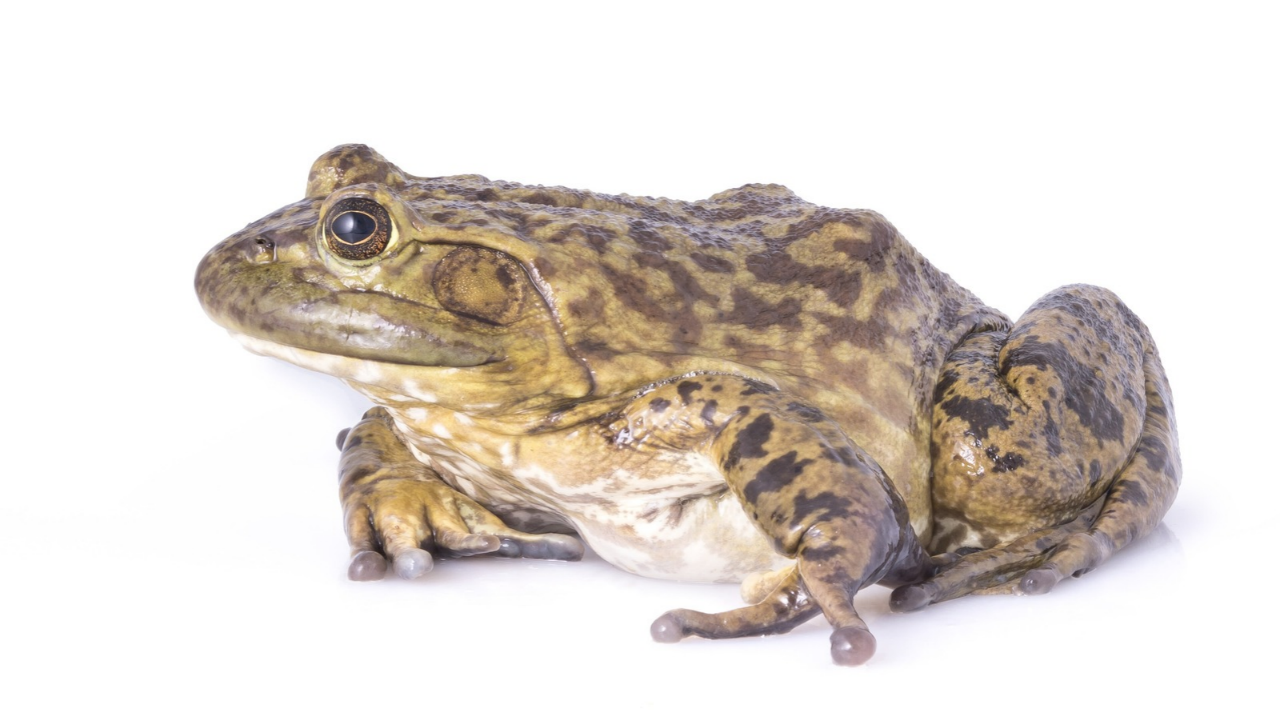
Some have also been released as unwanted pets | Wikimedia Commons
Researchers tested ways to suppress the populationThe USGS described a separate effort to study bullfrog suppression in the Yellowstone River floodplain in 2016, and examined the distribution of the invasion, its effects on native species and possible control methods, including trapping, seining, dewatering and other removal approaches. The agency noted that bullfrogs can be difficult to eradicate once established because they reproduce prolifically and move readily between habitats.The 2010–2013 survey results provide a historical measure of how quickly the invasion expanded in the study area, but they do not establish the current extent of bullfrogs along the river. The researchers’ work instead identified the habitats and access points where monitoring and prevention could be concentrated.