A test for Pak’s geopolitical sweet spot
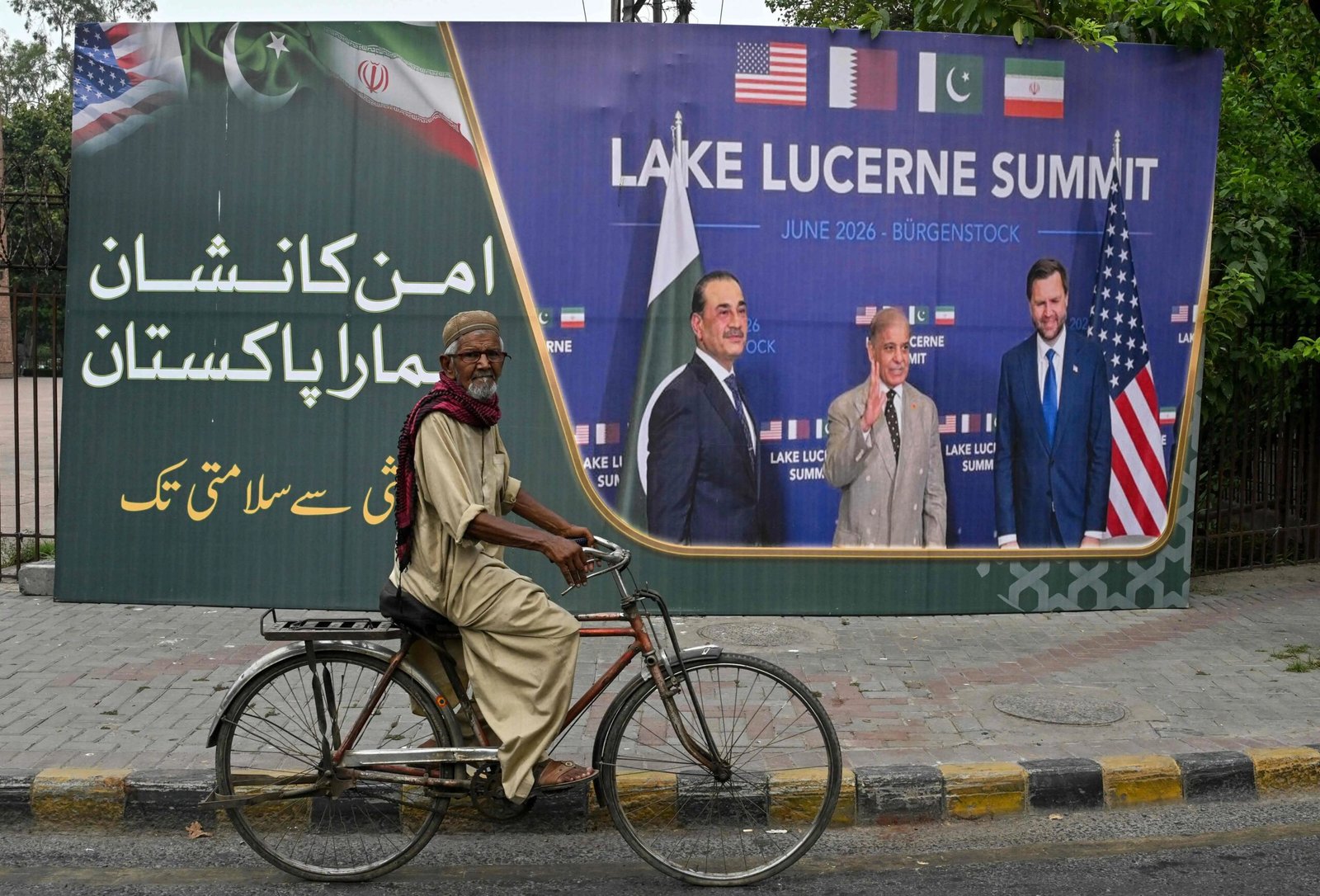
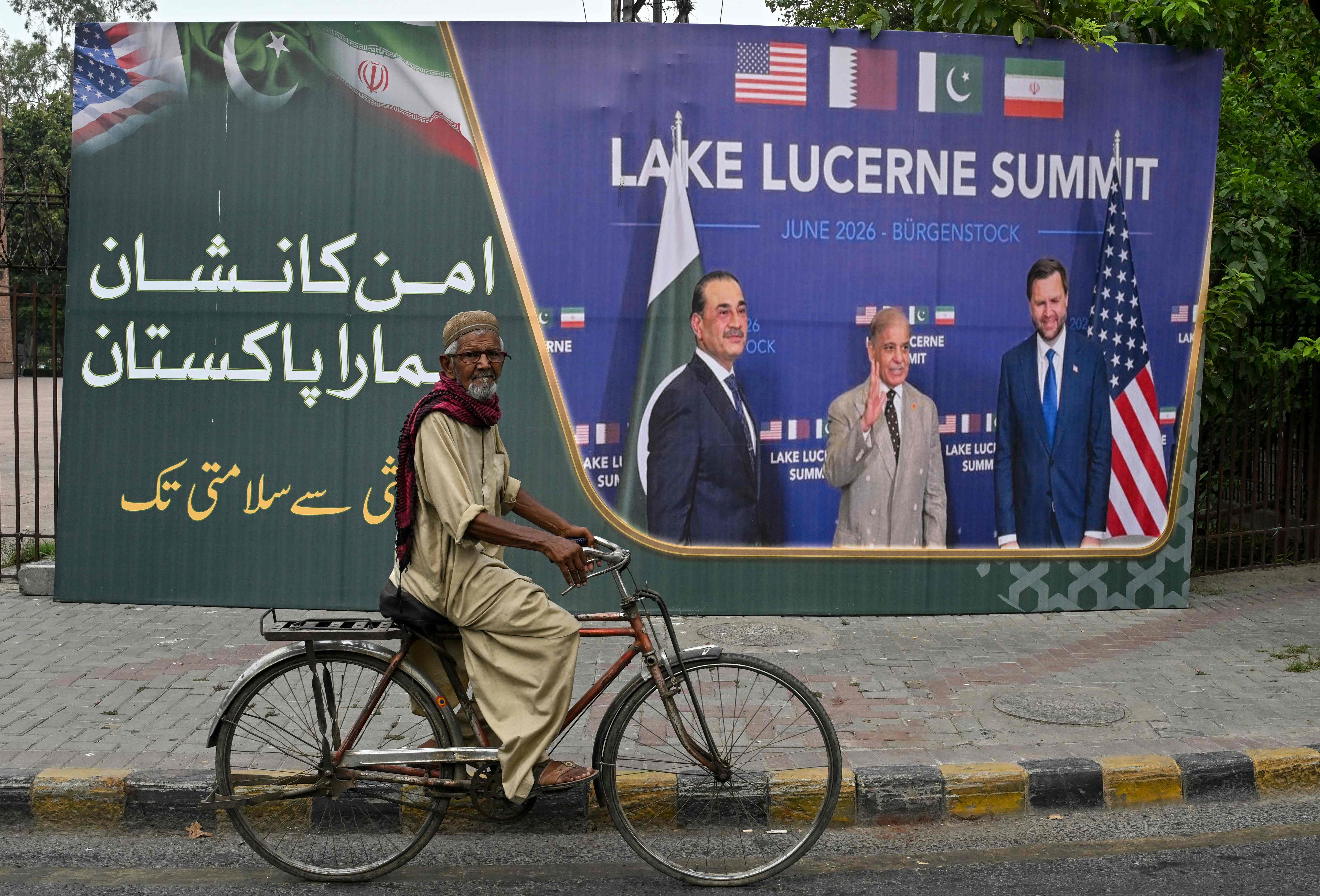

Since mid-2025, there has been a growing sense in Pakistan that the country’s regional and international profile has risen significantly. To many, Pakistan today occupies a geopolitical sweet spot after a long time. The signing of the Iran-US Agreement on June 17 represented, in their eyes, a high point in the country’s diplomatic role in defusing a world crisis.
The principal elements in this narrative include: the perception of having stood up to India in the May-June 2025 crisis; rebuilding a tattered relationship with the US, especially with its mercurial president Donald Trump; demonstrating strategic relevance for Saudi Arabia and Turkey and playing a significant mediatory role in the Iran-US conflict. That the conflict continues and the June 17 agreement is under stress does not take away from Pakistan’s gains from the process itself.
Some Pakistanis go even further. The first half of the 2020s was a traumatic phase in Pakistan’s history — a polycrisis phase when everything seemed to be going wrong and more or less simultaneously. The second half of this decade, they believe, is a considerable contrast, perhaps Pakistan’s best recently.
Remember, a large part of Pakistan’s elite thinks almost exclusively in geopolitical terms. Therefore, an improved external profile does help a great deal in addressing domestic issues. The correlation between a measure of economic stabilisation and the upswing in important external relationships is hardly coincidental.
The summer has, however, still been a strain. Both in Balochistan and Khyber Pakhtunkhwa — Pakistan’s traditionally restive provinces — the intensity of local insurgencies is far from easing and their geographical footprint is expanding. In Balochistan, the highly securitised approach followed for a long period has meant that diminishing returns have set in and are also more evident than a decade ago. The Balochistan Liberation Army’s choice of targets is diverse, and this also demonstrates the extent of civic alienation that underwrites the governance failure in the province.
The situation in Khyber Pakhtunkhwa and the Pashtun belt in Balochistan is more directly related to the breakdown in relations with the Taliban govt in Afghanistan. It is so comprehensive that there is a freeze on trade and movement of people across the otherwise fluid Af-Pak border. This means that the traditional guardrails that have moderated tensions and frictions between the two countries have been removed. The intensity and spread of attacks by the Tehrik-e-Taliban Pakistan reflect this. Many observers in fact now wonder whether the TTP-led insurgency is a cause or an effect of the breakdown in Af-Pak relations.
While in both these cases there is much muttering and dark nods towards an Indian role in fomenting insurgency and terrorism, in truth, most Pakistanis realise that domestic and Afghanistan-related dynamics are the principal drivers.
But what embarrasses Pakistan the most are not these armed insurgencies but civic and political protests in Mirpur, Muzaffarabad, Kotli, Rawalakot etc. — the heart of ‘Azad Kashmir’ as Pakistan-occupied Kashmir (PoK) is termed. These began in early June and were directed at demanding an end to the system whereby 12 seats are reserved in the 53-member legislature for so-called refugees from J&K in India. The stated purpose of the reservation is to provide representation for displaced Kashmiris and is, therefore, integral to the entire Pakistani state narrative on Kashmir. In fact, protestors argue that these reserved seats enable the Centre to constantly intervene in the legislature, form or dislodge govts, etc.
That the protests have continued since early June suggests that political and civil society alienation has been maturing over a period of time. The authorities have banned the front at the head of these protests — the Joint Awami Action Committee— as a terrorist organisation and there have been a significant number of fatalities in clashes and police firings. Elections to the assembly are set to take place over the next three weeks with the reservations unchanged. Nevertheless, the damage in terms of optics of these protests is considerable. They erode the official Kashmir narrative and expose the deep dysfunctionalities in PoK in the absence of any substantive political process to address the growing public outrage and alienation.
Is there a general takeaway beyond the evident limitations of securitised approaches in dealing with deep-rooted alienation that cement around old fault lines? As mentioned earlier, the Pakistani elite is geopolitically driven, whose natural instinct is to think in securitised terms. If it feels that its external profile is positive, then it finds dealing with internal issues that much easier. Certainly, it is convinced that this summer of discontent will also pass just as others before it have. What it also means is that the longer-term downwards trajectory of Pakistan continues unchecked.
Raghavan is a former High Commissioner to Pakistan
Disclaimer
Views expressed above are the author’s own.