A legacy of faith, service and sacrifice
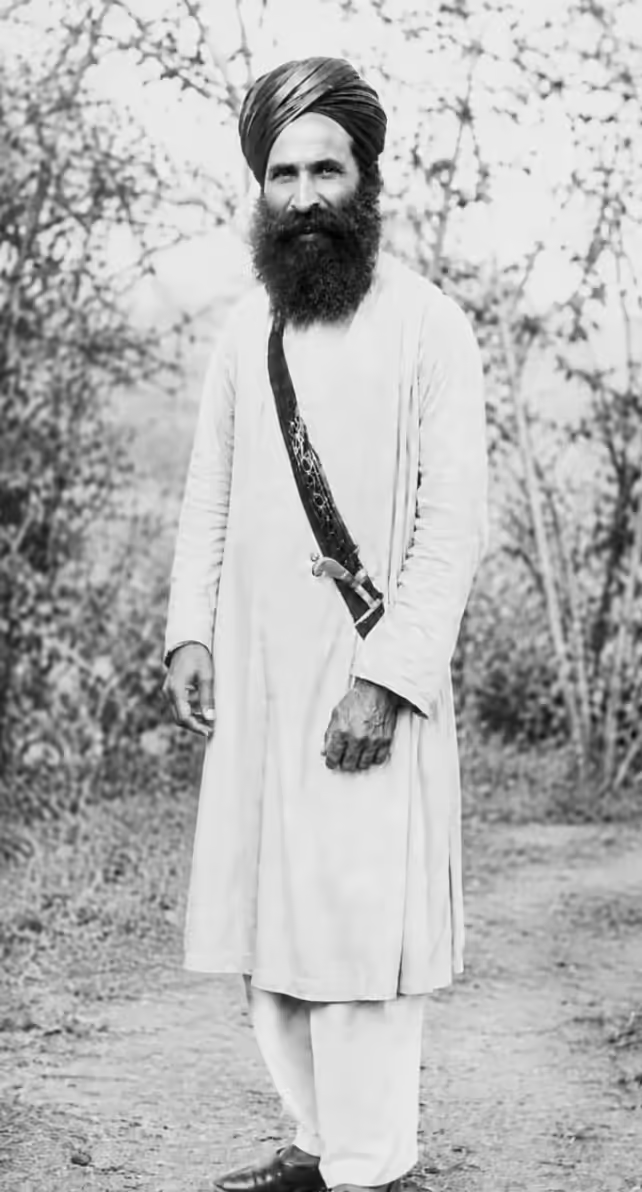
There are inheritances that do not come as wealth or possessions but as values, stories and a sense of duty passed from one generation to the next. For my family, the legacy of my grandfather, Sardar Teja Singh Samundri, is one such inheritance. His name belongs not only to our family history but also to the history of Punjab, the Sikh community and India’s freedom struggle.
On the eve of his death anniversary, it is important to remember Sardar Teja Singh Samundri not only as a martyr but also as one of the architects of modern Sikh public life. He was among the founding figures of the Shiromani Gurdwara Parbandhak Committee (SGPC), a leading force in the Gurdwara Reform Movement, a champion of education, an advocate of an informed public sphere and a defender of Sikh, civic and political rights.
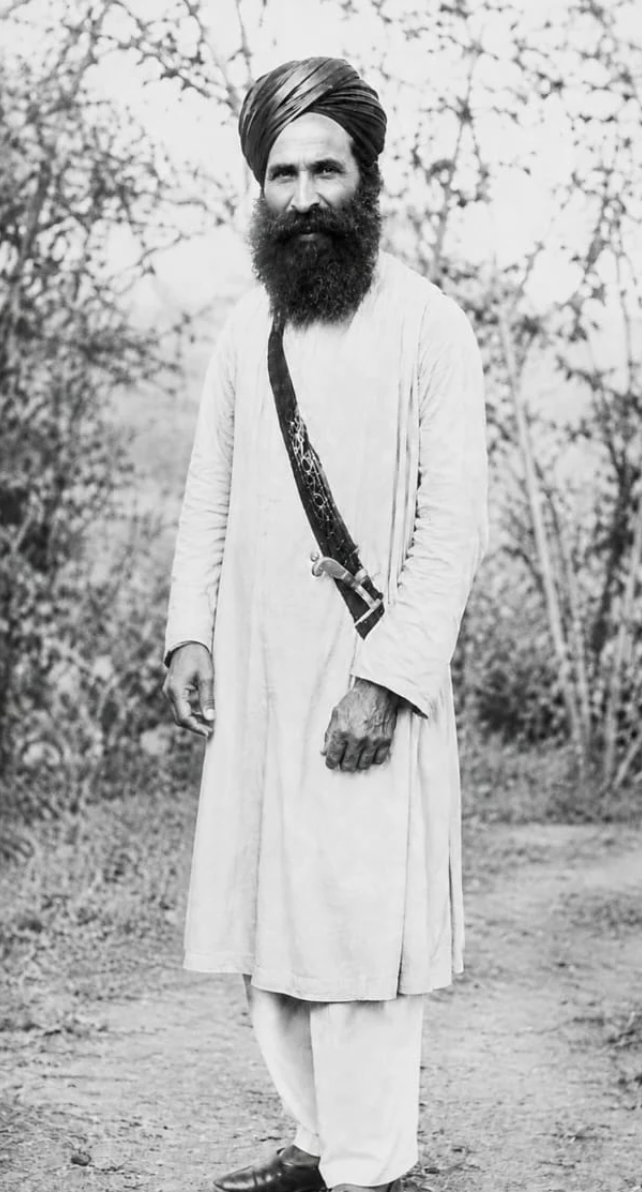
Born in 1882 into a Sandhu Sikh family associated with Tarn Taran and later Samundri in Lyallpur district, he came from rural Punjab, where faith, community and service were closely connected. After serving in the British Indian Army, his deeper loyalty remained with Sikh principles and the dignity of his people. Though he had limited formal education, he possessed remarkable courage, clarity of purpose and commitment to public duty.

The early twentieth century witnessed growing demands to reform Sikh gurdwaras, many of which had fallen under colonial regime-backed hereditary mahants. Their resources, intended for the sangat and seva, were often treated as private property. Reform therefore became not merely a religious cause but a struggle for accountability, dignity and the community’s right to govern its own sacred institutions.
Sardar Teja Singh Samundri emerged as one of the most respected leaders of this movement. The establishment of the SGPC asserted that Sikh institutions belonged to the Panth rather than colonial patronage or private control.
During the Rakab Ganj Sahib agitation in Delhi, when colonial authorities demolished part of the gurdwara’s boundary wall, he joined the campaign to restore it. What the British regarded as an administrative matter was, for Sikhs, a question of religious honour.
The successful restoration demonstrated that disciplined non-violent resistance could compel the colonial government to retreat. His leadership became even more significant during the Guru Ka Bagh Morcha of 1922. As Chairman of the SGPC’s Council of Action, he guided a movement in which peaceful protesters endured arrests and brutal assaults while maintaining strict non-violence.
His sacrifices were also deeply personal.
Following the Nankana Sahib massacre of 1921, when the Akali press faced severe financial penalties, he offered surety even at the risk of losing his agricultural land. On another occasion, he pledged much of his land to finance an SGPC legal appeal.
His standing within the Sikh community was further recognised in 1923 when he was chosen among the Panj Pyaras to lead the kar sewa for cleaning the Golden Temple sarovar. In Sikh tradition, such recognition reflected trust earned through humility, service and sacrifice.
Education remained central to his vision. He helped establish several educational institutions in Punjab. At a time when women’s education was neglected in many parts of society, the establishment of schools at Sarhali and Lyallpur in 1917 was a forward-looking act that demonstrated his conviction that education was not a privilege reserved for a few.
He also recognised the importance of the press. Alongside other Sikh leaders, he supported establishment of newspapers and publications, including Hindustan Times, that gave voice to the reform movement and challenged colonial narratives.
His final test came after the Sikh Gurdwaras Act of 1925. The British imprisoned several Akali and SGPC leaders. Even after the Sikh Gurdwaras Act of 1925 transferred control of major shrines to the community, the colonial authorities wanted imprisoned leaders to give written assurances that they would not continue agitation or question the provisions imposed upon them. Many accepted these terms but Sardar Teja Singh Samundri refused. He chose prison over compromise.
He died in Lahore Jail on 17 July 1926 at the age of forty-three. His passing was mourned by Mahatma Gandhi, Pandit Madan Mohan Malaviya, Swami Shraddhanand, CF Andrews and Sikh leaders across the political spectrum. Master Tara Singh described him as a “Sampuran Sikh” (Complete Sikh), while Bhai Vir Singh hailed him as a “Param Pavitra Shaheed” (Most Holy Martyr).”
Rather than weakening the Akali movement, his sacrifice strengthened its resolve. Today, Teja Singh Samundri Hall within the Golden Temple complex stands as a lasting memorial to his life. More importantly, his legacy endures in the values he embodied, including service without self-interest, courage without hatred and faith without fear. His memory belongs not only to Punjab and the Sikh community but also to India and to every generation that believes institutions rooted in justice, sacrifice and public service are worth defending.
Disclaimer
Views expressed above are the author’s own.