
Why the US-Iran ceasefire is actually a bargaining tool
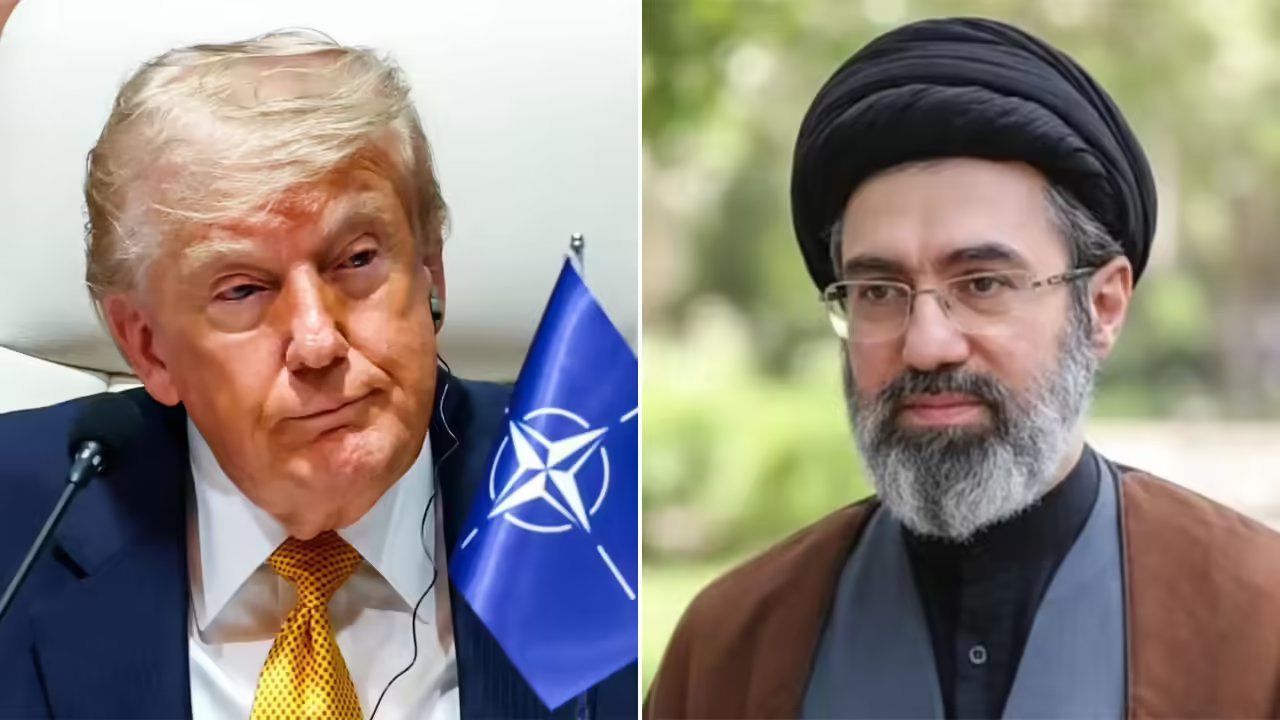
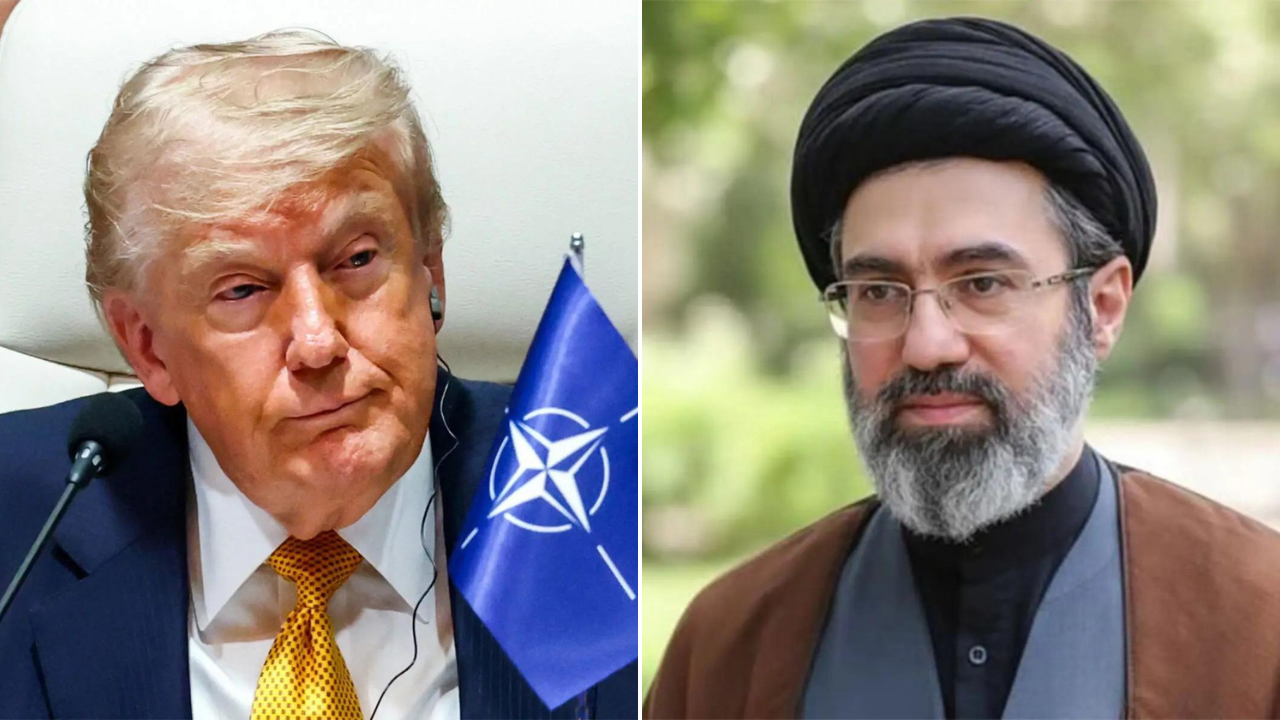

This deliberate use of tactical ambiguity—carefully deploying military, diplomatic, and economic measures-serves to keep negotiations alive and strengthen bargaining leverage, emphasizing that the ceasefire endures not through resolved differences but through strategic ambiguity that benefits all principal actors.
For President Donald Trump, sustaining the ceasefire is as much a political challenge as a diplomatic one. His administration must reconcile competing domestic constituencies whose expectations are fundamentally at odds. The pro-Israel lobby and influential evangelical groups expect unwavering American support for Israel and remain deeply sceptical of any accommodation with Tehran. Conversely, a war-weary electorate has little appetite for another prolonged military engagement in West Asia, particularly when inflation, fiscal pressures and economic uncertainty dominate domestic concerns. With the mid-term elections approaching, any perception of weakness towards Iran could invite political criticism, while renewed military escalation risks alienating voters concerned about its economic and strategic costs. These competing pressures have compelled Washington to pursue a dual-track approach—keeping diplomatic channels open even as it projects military resolve to reassure allies and address domestic anxieties about stability and security.
Israel confronts a similar political dilemma. Prime Minister Benjamin Netanyahu has consistently portrayed the conflict as an existential struggle. A ceasefire that ends hostilities without visibly achieving its declared objectives risks being perceived as an incomplete victory. With elections approaching, PM Netanyahu must demonstrate that the high political, military and economic costs of the war have yielded tangible strategic gains. Failure to do so could not only undermine his electoral prospects but also revive the legal challenges that have long shadowed his political career. Israel’s continued pressure on Iran must therefore be viewed not merely through the lens of national security, but also as an imperative of political survival.
Iran, meanwhile, appears both emboldened and compelled to adopt a harder negotiating posture. The assassination of Supreme Leader Ayatollah Ali Khamenei transformed the conflict into a deeply emotional national cause. Massive funeral processions and widespread calls for revenge have generated strong public pressure for a forceful response, leaving the leadership with little political space for compromise. Within Shia Islam, resistance to perceived injustice and the ideal of martyrdom constitute central elements of its religio-political ethos. Khamenei’s assassination has therefore been projected not merely as the death of a national leader, but as the martyrdom of a religious and political symbol whose sacrifice against American injustice demands both resistance and retribution.
At the same time, the assassination of Khamenei and the deaths of several senior military commanders have strengthened the influence of hard-line elements within Iran’s strategic establishment. After four decades of sanctions, economic isolation and sustained confrontation with the United States and Israel, these factions view the present crisis as an opportunity to negotiate from a position of strength. Tehran’s uncompromising public posture should therefore be seen not merely as ideological defiance, but as a political necessity aimed at preserving domestic cohesion while reinforcing its bargaining leverage.
Iran’s strikes against U.S. military facilities in Jordan and Gulf bases aim beyond immediate retaliation, exposing vulnerabilities and advancing its long-term goal of reducing U.S. military presence in the Gulf, while demonstrating its capacity to impose high costs if negotiations falter, emphasizing strategic bargaining objectives.
Equally significant is what Iran has chosen not to do. Despite its uncompromising rhetoric, Tehran has avoided direct large-scale attacks on Israel. This tactical restraint is intended to deny Prime Minister Benjamin Netanyahu the electoral advantages of a wider war, while preserving differences between Washington and Tel Aviv over the pace and endgame of the negotiations.
The maritime domain has become central to Iran’s bargaining strategy. As Oman and other Gulf states explore alternative southern shipping routes to reduce dependence on the Strait of Hormuz, Tehran has signalled that these corridors would remain vulnerable in any future conflict. The message is unmistakable: alternative routes cannot neutralise Iran’s leverage over Gulf energy exports. Maritime geography thus remains one of Tehran’s most effective instruments of deterrence and negotiation.
Against this backdrop, President Trump’s decision to reinstate the naval blockade of Iranian ports underscores Washington’s continued reliance on maritime coercion as a bargaining instrument. Although the proposed 20 per cent escort charge appears to have been moderated under pressure from allies, the blockade itself perpetuates tactical uncertainty. However, the resulting increase in security risks, insurance premiums and freight costs imposes economic burdens on global shipping and energy markets, potentially diluting the blockade’s strategic objectives even as it strengthens Washington’s negotiating leverage.
Strategic consequences
The greatest danger lies in this environment of calibrated ambiguity. Measures intended to deter adversaries, reassure allies or strengthen negotiating leverage can easily be misread by actors driven by different political compulsions, making miscalculation—rather than deliberate escalation—the gravest threat to regional stability. Recent developments across Syria, Turkey and Yemen illustrate how tactical signalling can produce unintended strategic consequences. Washington’s willingness to reconsider F-35 sales to Turkey and deepen engagement with Syria’s new leadership appears aimed at strengthening a Turkey-centred regional security architecture while simultaneously reducing Russian and Iranian influence. However, such a strategy also carries significant risks. It could sharpen competition among Turkey, Iran and Israel in Syria, potentially opening another front in the regional conflict.
The attack on the Iranian airlines at Sanaa airport could be intended to increase pressure on Tehran. However, it could provoke a renewed Houthi escalation around the Bab el-Mandeb Strait, opening another major maritime front. Such an outcome would threaten one of the world’s most critical trade corridors, compounding further disruptions to global energy supplies and international commerce while unsettling regional partners, particularly Saudi Arabia, whose overriding priority remains stability at this stage. It is time for both Washington and Tehran to recognise that tactical ambiguity may serve the interests of negotiation, but it must not be allowed to produce irreversible strategic consequences.
Disclaimer
Views expressed above are the author’s own.