
Zomato-Swiggy Hack: Indians discover ‘tiny order’ Zomato-Swiggy hack to save money, internet calls it ‘genius’ and ‘unethical’
People have officially entered their “anything to save on food delivery” era, and the internet has now discovered a new hack involving Zomato and Swiggy orders.The trick sounds bizarre at first, but a lot of people online are calling it smart. Others think it’s completely unethical.Here’s how it works.Instead of placing a full meal order through a delivery app, some customers are ordering the cheapest possible item – maybe just one roti or a small side dish. Once the order is placed, they call the restaurant directly and place the real order offline. Think full family dinner: paneer butter masala, biryani, naan, desserts, everything. The restaurant gets paid separately through UPI, but packs the entire meal together with that tiny online order.
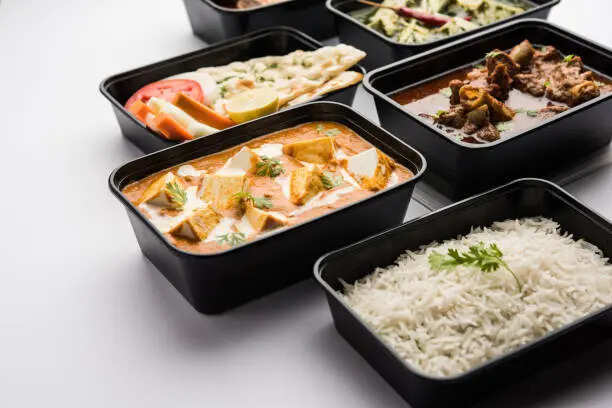
So when the delivery rider arrives, they end up delivering a giant food parcel linked to a Rs 40 order.The logic behind it is simple: customers are trying to avoid inflated app pricing and high commissions charged by delivery platforms. Since many restaurants price dishes higher on apps than they do offline, people think this workaround helps them save money.And honestly, the internet loves a “hack.” Especially one that looks like it outsmarts big companies.But there’s one major thing social media conveniently skipped: this doesn’t work nearly as smoothly in real life.For starters, not every restaurant is willing to do this. In fact, many flat-out refuse.Cloud kitchens usually avoid these arrangements because they depend heavily on food delivery platforms for business. Restaurants that already have their own delivery staff would rather just deliver directly instead of involving Swiggy or Zomato riders. Bigger restaurants with proper billing systems and stricter processes are even less likely to entertain such requests.And even if a restaurant agrees, the savings aren’t always dramatic.
You still pay delivery charges, platform fees, and taxes on the small app order. The actual benefit only comes if the restaurant’s offline menu is significantly cheaper than its online pricing.Which raises the bigger question: is saving Rs 100 really worth all this effort?Because the process sounds exhausting.First, you convince the restaurant. Then you explain the whole setup. Then you place the tiny order separately on the app. Then you coordinate packaging. Then you hope the rider doesn’t get confused. Then you pray the order reaches properly without any issue.At some point, dinner starts feeling less like convenience and more like a side mission in a video game.Meanwhile, social media users are already predicting how food delivery apps could crack down on this. Some suggested riders should verify invoices attached to packages. Others think unusually large parcels attached to tiny-value orders could eventually get flagged automatically.But for now, the so-called loophole isn’t exactly foolproof.A lot of restaurant owners are simply refusing to add extra offline items to these small online orders, which means the “hack” fails before it even begins. And by the time you calculate the effort involved, many people feel it’s probably easier to just order normally and move on with life.Thumb image: AI generated