
You got 8 hours of sleep, so why are you still exhausted? Doctors explain the hidden nutrition, hydration and health factors that could be draining your energy

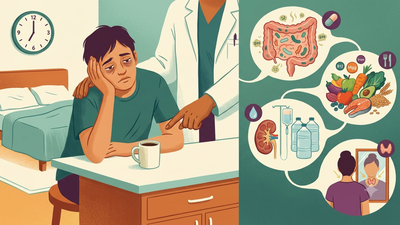
You got eight hours of sleep last night. So why does getting out of bed still feel difficult? By the time the workday begins, you are already reaching for coffee. A few hours later, concentration starts slipping. By the afternoon, another cup, or something sugary- feels like the only way to get through the day.The instinctive explanation is often simple: I need more sleep. But sometimes, sleep may not be the only piece of the puzzle.“Getting eight hours of sleep is often seen as the ultimate solution to tiredness. But if you wake up feeling exhausted, can’t focus and rely on caffeine just to get through the day, sleep might not be the only missing puzzle piece. Persistent fatigue can at times reflect nutritional gaps, poor diet quality, dehydration and metabolic health issues,” says Dr Shabana Parveen, Head of Dietetics at Artemis Hospitals.Think about what happens during the other sixteen hours of the day. What we eat, how regularly we eat, whether we drink enough water and the nutrients our body receives can all shape how energised we feel.“Your body requires more than calories to make energy. Iron, vitamin B12, folate, vitamin D and other micronutrients contribute to oxygen transport, brain function, muscle function and normal energy metabolism. When you don’t get enough of these nutrients you can still feel tired even after a full night’s sleep. This is not just a theoretical worry. Ekincare’s analysis of over three lakh health tests found that approximately 36.9% of working professionals were vitamin deficient. This is why unexplained tiredness should not be automatically attributed to stress or lack of sleep,” Dr Parveen adds.But fatigue is not always about a specific vitamin deficiency. Sometimes, the way we move through the day is quietly affecting our energy levels.“Getting 8 hours of sleep does not always mean that you will wake up fresh. How energized you feel during the day can be greatly affected by your sleep quality, nutrition, hydration, stress and daily habits,” says Anshul Singh, Team Lead, Clinical Nutrition & Dietetics Department, Artemis Hospitals.Skipping meals, eating too little protein or relying heavily on refined carbohydrates can all contribute to low energy. “Dehydration can also lead to headaches, sluggishness and poor concentration,” Singh says. And then there is another layer to the problem: sleep and food can influence each other.“We often think of sleep and food as two separate parts of our daily routine. In reality, they are closely connected,” says Meenakshi Aggarwal, Clinical Dietician, MAIINS, Marengo Asia Hospitals, Gurugram.A poor night of sleep can change what we reach for the next day. “A poor or shortened night can affect appetite, cravings and eating patterns. Research has found that people who sleep less may be more likely to choose energy-dense foods, refined carbohydrates and frequent snacks, while consuming fewer fruits, vegetables and whole grains,” she says.The relationship works the other way too. “A balanced diet containing whole grains, fruits, vegetables, pulses, nuts, seeds and adequate protein provides nutrients involved in normal brain and hormonal functions,” Aggarwal says. While foods containing protein can provide tryptophan, which is involved in the synthesis of serotonin and subsequently melatonin, she cautions that “the overall dietary pattern matters more.” This does not mean every tired day requires a complete health overhaul. Sometimes, the basics matter: regular meals, adequate water, balanced nutrition, movement and less reliance on excess caffeine and processed foods.But when fatigue becomes persistent, it may be worth looking deeper.“If you are feeling tired for weeks, even with good sleep and a healthy diet, it is important to talk to a doctor. Sometimes tiredness can be a sign of anemia, thyroid problems, blood-sugar problems, sleep disorders or other hidden illnesses,” says Singh. Perhaps, then, the goal is not simply to sleep longer.As Dr Parveen puts it, “Getting a good sleep is important but waking up refreshed depends on the health of your whole body and not just the number of hours you spend in bed.” So, the next time eight hours of sleep still leaves you exhausted, perhaps the answer isn’t to simply sleep longer but to look at the bigger picture.


