Why is everyone suddenly into birding? The hobby once seen as ‘for old people’ is having a moment
“What’s your spark bird?” popped up on my phone screen while scrolling on Instagram. Purple sunbird, I answered to no one in particular. I was overjoyed to see that it belonged to some young content creator – happily out and about in the wild, admiring birds. That Instagram post was Liked. And just like that, the algorithm started throwing similar posts my way. I couldn’t help but wonder: When exactly did birding cease to be an old people’s hobby? Before you even think of cancelling me for my choice of words here, I am a birder, nowhere near the age of retirement, and yes, we can’t ignore the fact that the general view of the world is that birding is what old people do. Stay with me.I started seeing more and more posts from younger people on birds, their incredible sightings, the memes, the parodies… You name it, and the gram’s got them all.Moral of the story: these days, it is difficult to spend much time on social media without encountering a bird.Burning question: How did birding go from being stereotyped as an “old people’s hobby” to becoming a growing social trend, and why are people turning to birds for everything from healing and friendship to business and environmental activism?I knew what it meant to me, so I did the next best thing: Talk to people. Of all age groups.I belong to a tribe of like-minded people on X – birders and lovers of nature in all forms. @IndiAves is where we belong. So it wasn’t too difficult a task for me to handpick fellow birders, and pick their beautiful minds.Years of experience, years of finding bliss in natureShalini Elassery (53), always managed to make us green with jealousy. The reason: Birds would just come and knock at her window, every morning. You don’t have to be a birder to appreciate that kind of joy. So when I asked her to share a little something from her experience as a birder, she replied, “I am old school. I started birding because I won an award for something, it included a trip to Sariska and Salim Ali’s book. That was back in 1986. Birding took me to many places, helped make friends in the unlikeliest of situations, and most importantly, brought me, a notoriously reclusive person, to social media. One of the joys of birding for me: It has built me a family of birders I would not have had otherwise.
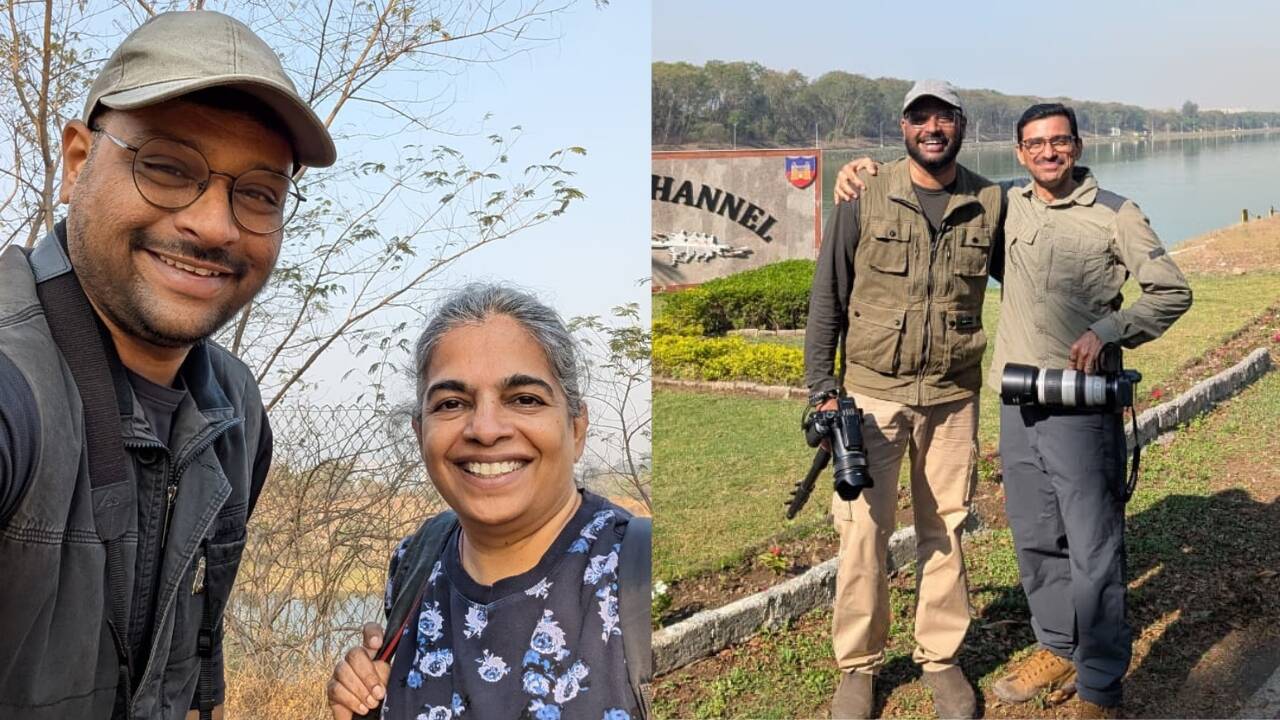
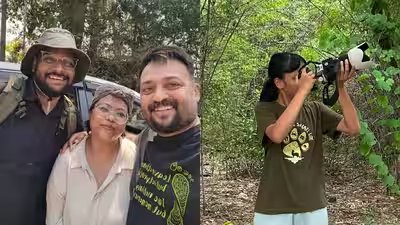
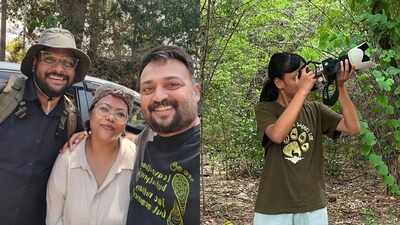
Birders in the field
I have found healing in nature, birds, and birders. Life in the last decade has been brutal, and friends, both feathered and followers of feathers, have kept me sane.”Take notes, readers. Take notes. Anuradha Mathur (65) a retired principal echoed something similar. “Quietly walking with my camera through wetlands or forested areas, listening to the chirping of birds, feeling the cool air, with a friend who too enjoys this experience, that’s heaven!”What’s life like after retirement, I asked. To that she replied, “People think it’s all about resting and taking the day slow. I thought so too. Life is so beautiful after retirement. But now I get up at an unearthly hour, much earlier than I ever did when I was working. Why? It’s when the birds are out! The excitement of going out birding is tremendous!The joy of simply sighting birds, clicking their pictures and sharing a picnic breakfast with fellow birders is on another level. Birding completes me and helps me get away from the city life of social media, mobile phones and the noise of vehicles. As one grows older, malls, shopping, brands, clothes, food, clubbing and so on begin to seem so shallow and meaningless. Birding, on the other hand, is therapeutic and deeply satisfying to the soul.”We are starting to see a trend here…and take notes. The next brain I picked was Col. Pankaj Sharma’s. At 61, with more than 30 years of birding experience, he had jewels to share. Also, this felt like the best time to tell you readers that Col. Pankaj Sharma is one of my go-to humans when it comes to bird ID.
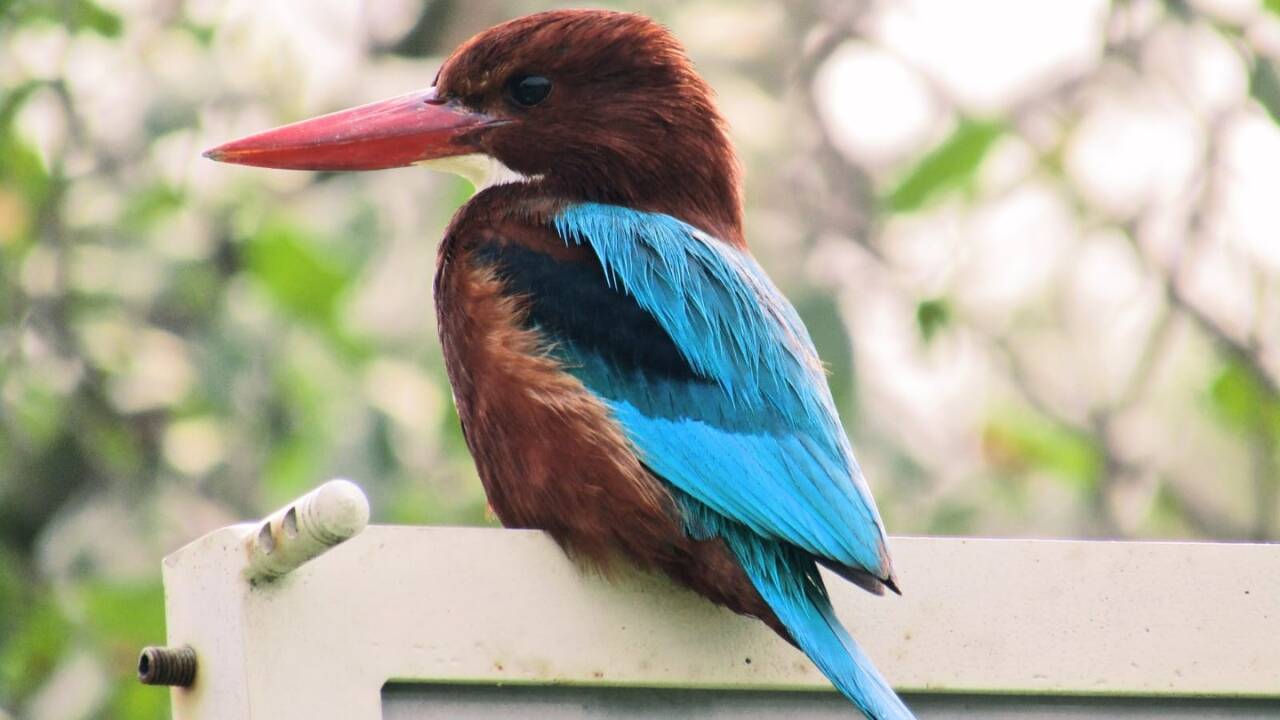
White-throated kingfisher
“I have witnessed a remarkable transformation in the way people perceive this hobby. What was once considered a niche interest pursued mostly by retirees and a handful of naturalists has today evolved into a vibrant, inclusive, and rapidly growing community activity.In my early years of birding, finding fellow enthusiasts was difficult. Information was limited, field guides were precious possessions, and sightings were shared through personal networks. Today, social media, digital photography, citizen science platforms, and easier access to quality optics have brought birding into the mainstream. People of all ages, from schoolchildren to working professionals and senior citizens, are discovering the joy of observing birds.For me, birding taught patience, observation skills, and humility. It encourages one to slow down, pay attention to the natural world, and appreciate the incredible biodiversity that exists around us, often unnoticed in our daily routines. While birding may have become a trend, I hope it remains more than that.”With the years under your belt, and the mountain of knowledge that you have gained in the process, is there anything left, I asked.“After three decades in the field, the excitement of spotting a new species has never diminished. What has changed is that today many more people are sharing that excitement, and I see that as a very positive development for both society and nature,” replied Col. Sharma. And to that, I doff my hat.How did it start…I need to get into that wagon, I thought more obsessively.Rakesh (51), one of my birding and herping mentors, came with a banger, just when I was starting to go into tangents (all in a good way). “I blame the Green Bee-eater. If it weren’t for that little bird, I might still be happily photographing landscapes, sunsets and whatever else stood still long enough for me to point a camera at it,” shared Rakesh.
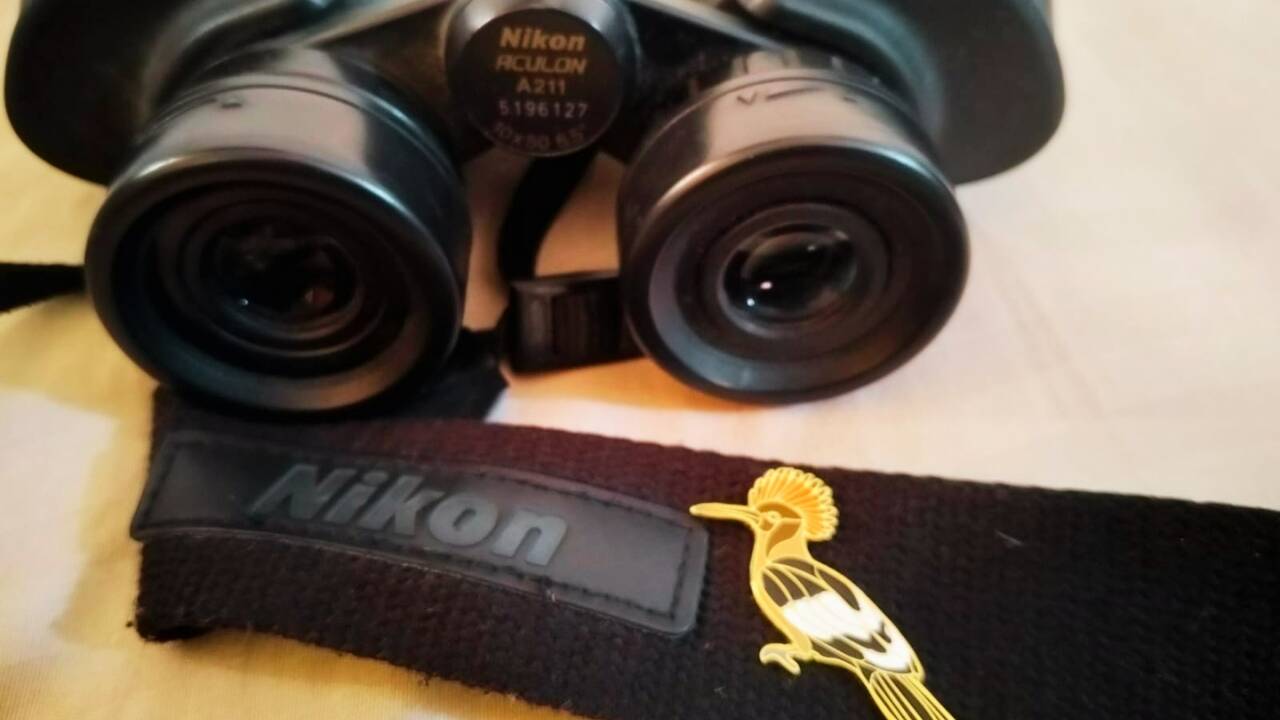
Binoculars: Birding gear
I bought my first camera in 2001, but it was a family trip to Dandeli in 2003 that sparked my interest in bird photography. Seeing that bird made me want to photograph it, and soon I was exploring places around Bangalore, with Hebbal Lake becoming a favourite. Photography eventually led me beyond birds to mammals, reptiles and macro subjects such as insects, frogs and spiders.We are now officially in the world of creepy-crawlies – herping!During COVID, I began encouraging others to discover the birds around them, conducting photography seminars and distributing around 200 nest boxes across housing societies in Gurgaon. Over time, I realised that birding was much more than a hobby, it brought people together, offered a way to reconnect with nature and inspired conservation. After stepping away from my corporate career, I now conduct photography and wildlife workshops. Looking back, that one Green Bee-eater changed not just what I photographed, but how I saw the natural world, shared Rakesh.One story came from land far far away – Muscat. During the COVID-19 lockdown in 2020, Asad Humanyoon (52), an Indian living in Muscat, photographed a Eurasian Nightjar that unexpectedly appeared on his balcony. Learning that it was a rare nocturnal bird and not commonly seen during daylight sparked his interest in bird photography. What began as a chance encounter soon became a passion that helped him de-stress, connect with nature and learn more about birds. Talk about spark bird! “Bird photography has taught me patience, endurance and a lot about observation skills required to find and photograph both resident and migratory species in Oman,” shared Asad.After spending my sweet time with them, it was time for me to tackle the main reason behind me writing this story – the younger lot.
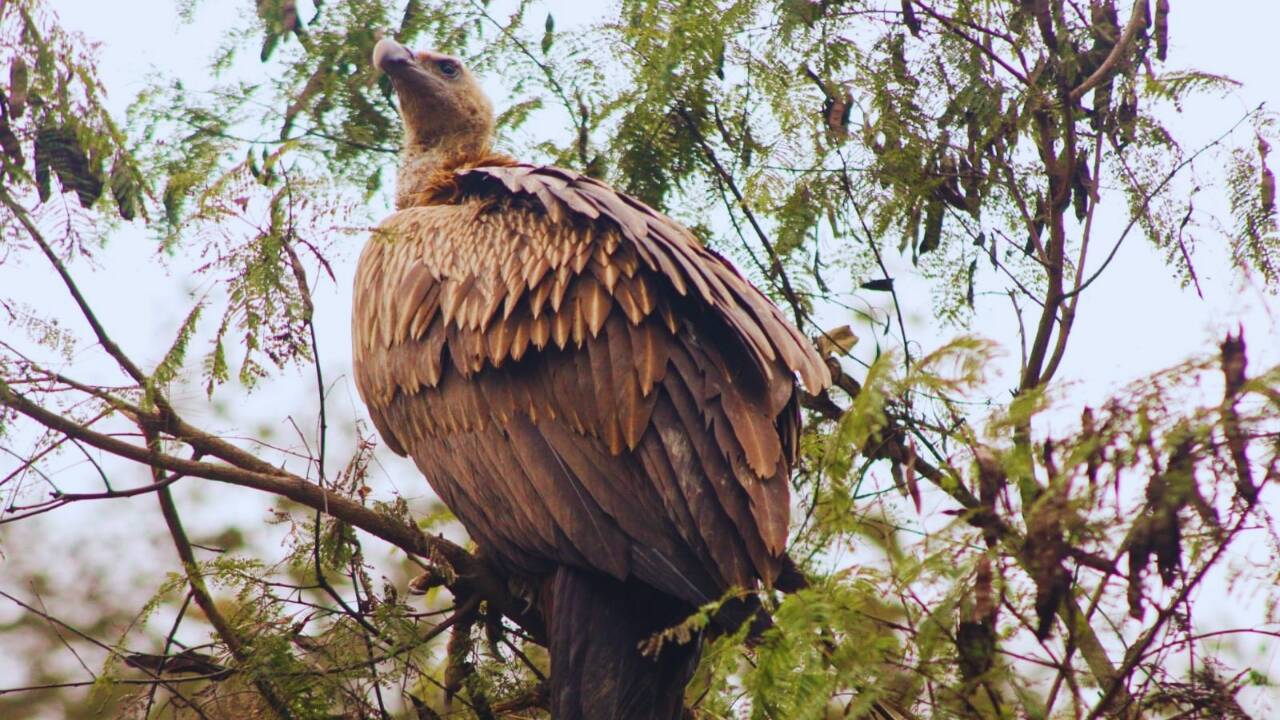
Himalayan Griffon Vulture
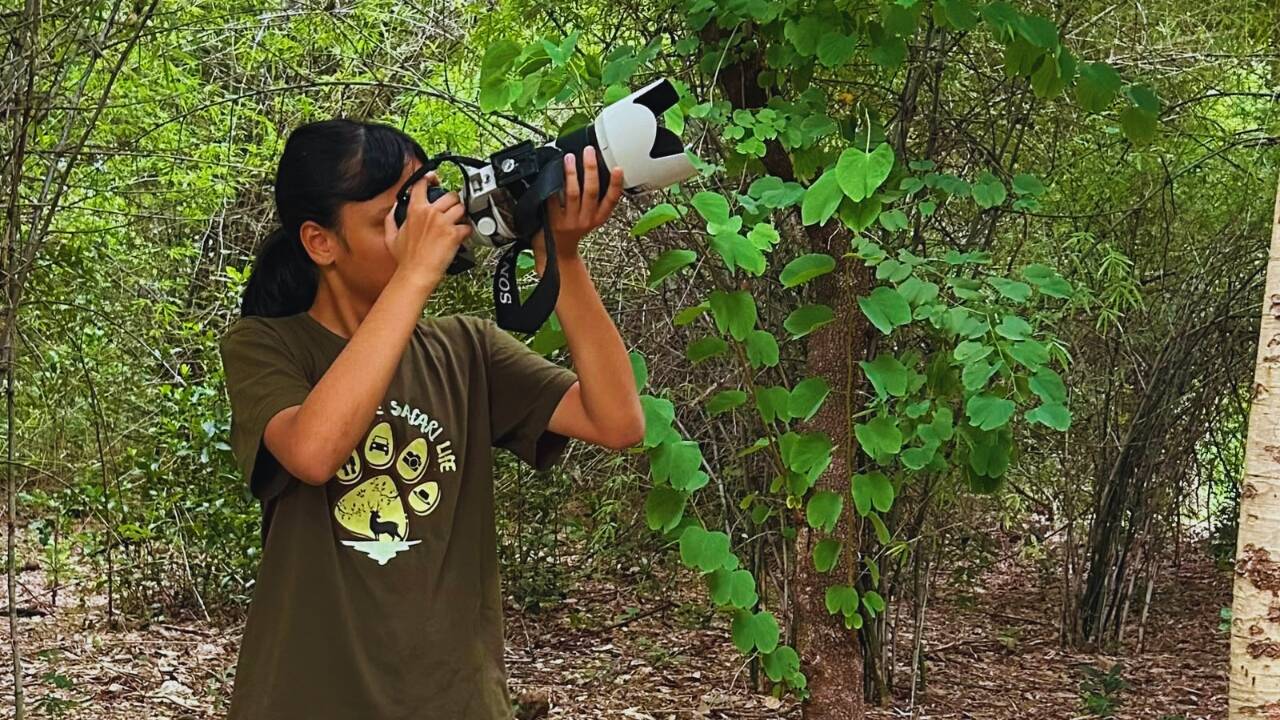
Ananya Ayyappan in action
The first name that came to mine was Ananya Ayyappan. Now 13, and already winning in life, Ananya shared, “I started my birding journey at the age of seven during the COVID-19 lockdown. I used to observe the birds that would sit on the peepal tree in front of my house balcony. The more I observed them, the more my interest grew. Soon, I began going on birding trips and safaris with my parents to see new species of birds. Now I have my own camera to photograph the birds I see. My parents and I have been to places like Corbett, Kenya, the Andaman Islands and Chopta for birding. I hope to visit many more places in the future.”I tried my luck further, and from Navi Mumbai, a little voice reached me. It was Iraa Lotlikar’s. Aged 12 and already quick with identifying birds in the field, Iraa shared: In 2022 my first birding experience was witnessing wild flamingos, I was 8 years old at the time, As soon as I laid my eyes on them, I was immediately captivated with how majestic, stunning, and graceful they looked. That was the first time I had ever seen anything in the wild.Thereafter I fell in love with nature and longed to go birding every weekend with my father. Something about the thrill of not knowing what birds you’ll spot had me mesmerised. I soon got my first camera. My most memorable adventure was spotting the Indian eagle owl in Bhigwan, Solapur. Its breathtaking vermilion eyes resonated with me. Now birding has become a treasured hobby of mine and will always run deep. It’s sacred to my heart,” added Iraa.Spark bird! I thought.During the time I was collecting these inputs, there was something else that was taking the internet by storm. The one and only, the Gen-Z! To say that I was itching to pick their brains, would be an understatement.So the first Gen-Z I picked was Kuldip Santosh Topo, a fine young man with incredible knowledge on birds and creepy crawlies. Currently residing in Goa, Kuldip Topo (31), with a degree in M.Sc.(Zoology), Kuldip is a Gen-Z with a boat-load of passion for birds.“I was never into birding,” shared Kuldip. “It was during my M.Sc. in 2018–19 that I met Jalmesh Karapurkar, now a nature enthusiast and wildlifer from Goa. He introduced me to birding. We’d explore the campus with his monocular, and on weekends, we joined classmates to visit birding hotspots across Goa. Those trips were spent exploring wildlife areas and learning about birds from him. He also introduced me to NGOs like the Arannya Environment Research Organisation (AERO), which conducts nature-based programmes, and the Goa Bird Conservation Network (GBCN), which organises bird walks in Goa. Through these groups, I got the chance to learn from experts and expand my knowledge.“Using eBird showed me its potential and how one person can make a real contribution. It also motivated me to join the Goa Bird Atlas project and be part of a larger conservation effort. I’ve also been actively involved with AERO’s pelagic bird surveys,” he added.Ashray Kamath (21), was up next.
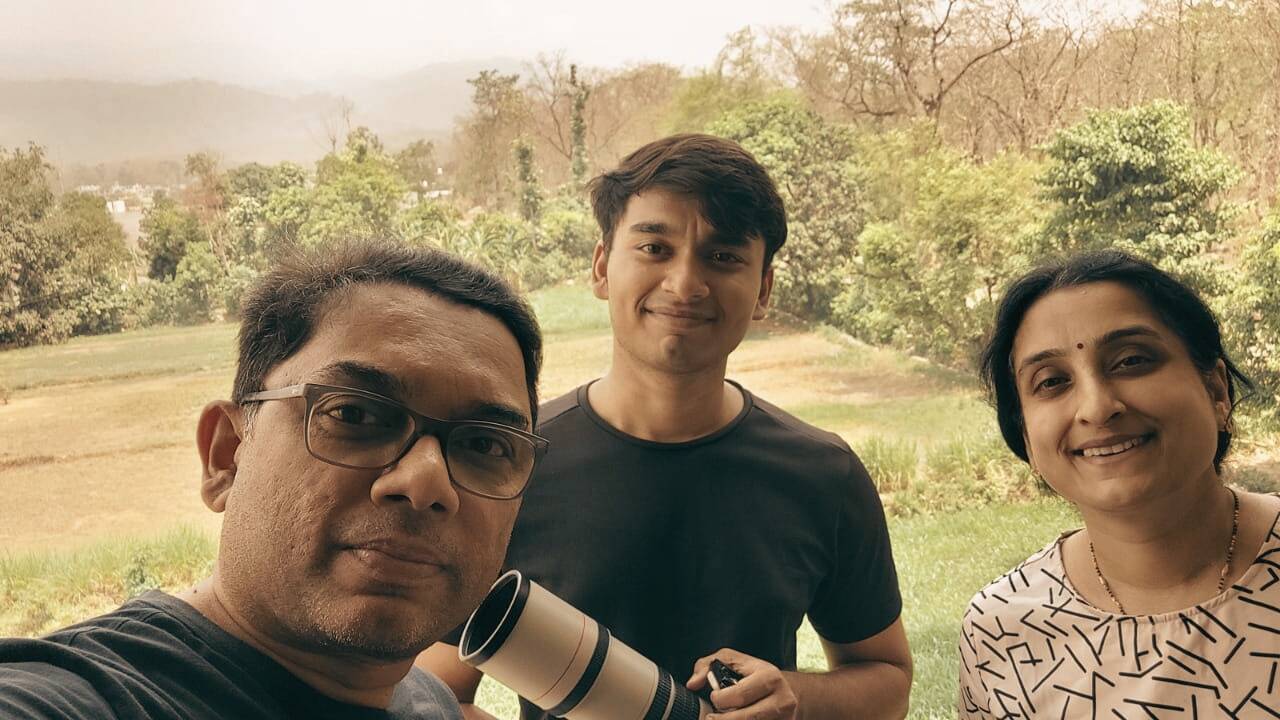
Ashray, birding with parents
“I grew up watching National Geographic documentaries and wildlife films so I was always fascinated by nature. I started birding during COVID lockdown with my father. What started as an excuse to get out of the house for a couple of hours, soon turned into a more mindful observation of the nearby forests and wetlands.What drew me in was how birding changes the way you look at the world. Places that once felt ordinary suddenly became full of life. You start noticing a variety of birds which you would’ve walked past every day without a second thought. It teaches you to observe, and appreciate the small details.”For me, birding has become much more than a hobby. It gave me quality time with my family, a reason to explore new places, and a way to disconnect from screens. It’s one of the hobbies where every outing is different, and you never know what you’ll find.These Gen-Zs were different, I thought.Since Gen Zs are here, how could I leave the millennials behind?
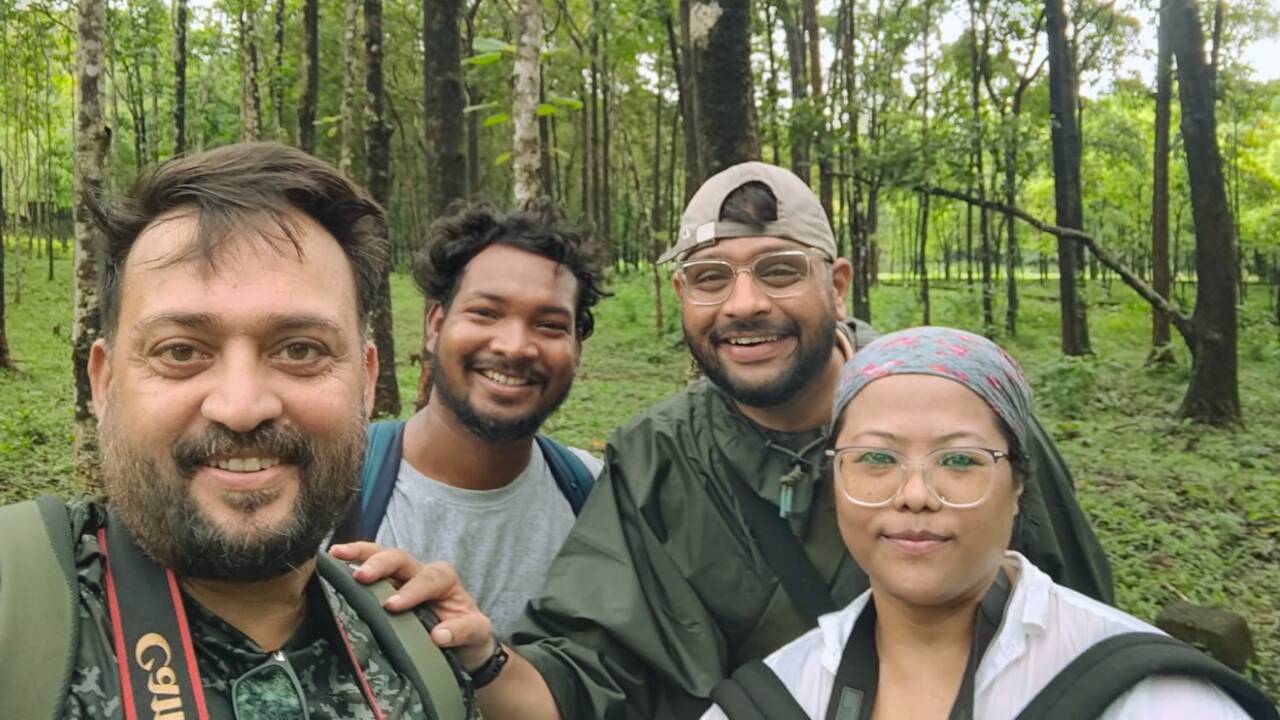
Birders in Goa
Mohit Mehta (39) feels that bringing more people into any kind of nature watching is great, it creates a positive impact on their physical and mental well-being as well. And truth be told, I, a fellow 39-er, agree with this, with gusto.“What I have realised is that birding, for me, is a part of life. I have stopped checking life lists and all (we are talking about eBird and Merlin now). Yes, I want to see new birds, but not at the expense of spoiling my experience. I will go with like-minded people who respect the birds, take photographs, spend time observing them, etc.
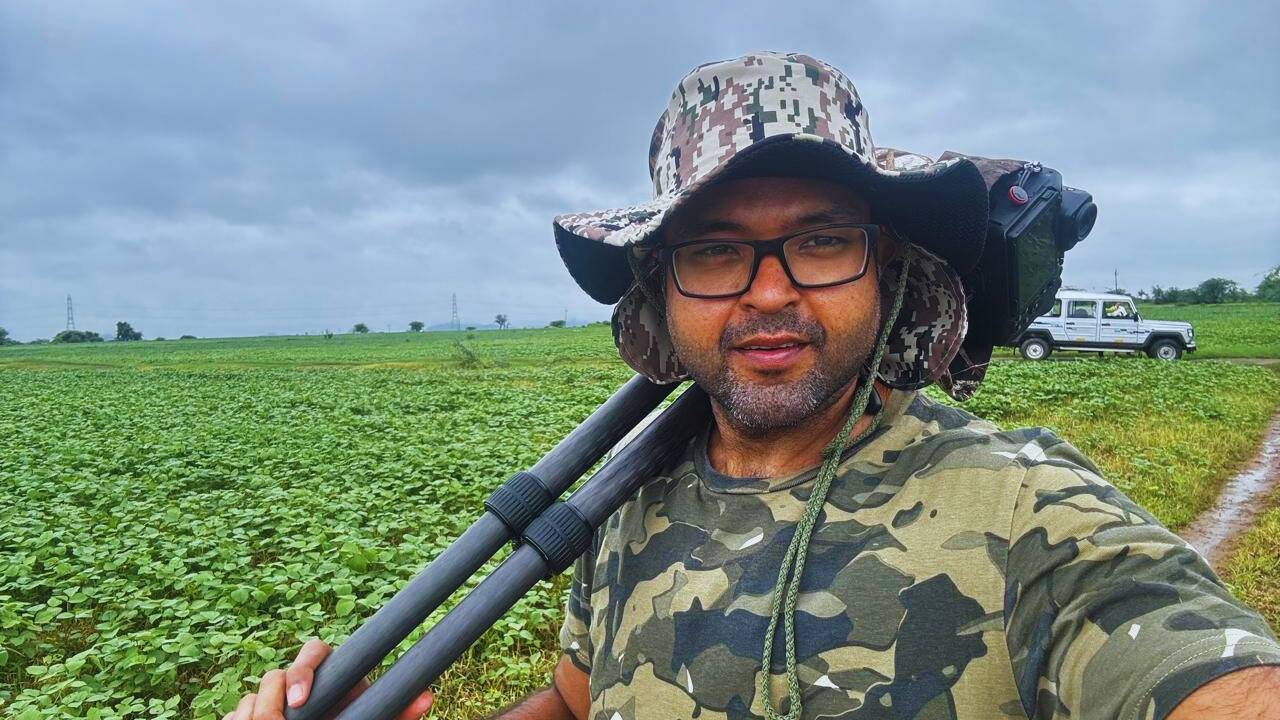
Mohit Mehta in action
Seeing the same bird again and again is a pleasure. For example, I go every year to see and photograph the Indian Pitta (Navrang), no matter how many photographs I already have of it or how many times I have seen it. There is still a certain pleasure in seeing it again every year,” shared Mohit.By this point, I was starting to realise that I was in the middle of a sweet and beautiful journey with these stories. And long. I needed something from a non-birder! What was that even, I asked myself. Then came the voice of Michelle Brahma (43):“I am not a true birder. Birding can be a serious exercise with its passionate advocates and enthusiasts who wake up in the dark early mornings simply because they love watching birds. Since I am not an early riser, I look at the birds who happen to be around me, in a city that ranks consistently among the world’s most polluted. Here in the northernmost edge of Delhi, I have noticed birds such as cattle egrets with smudged dirty feathers rummaging alongside stray cattle in garbage dumping sites. Come winter and there are flocks of black-winged Stilts daintily picking at the mud in empty fields which were cleared of vegetation to make way for ‘plot cutting’ or in the monsoons, a couple of pond herons walking in the tall wild grass that has sprung up in and alongside land that lies fallow because it is disputed with a broken chain of ownership.Observing the birds around me has given me moments of respite amidst the overwrought chaos and jangling stimuli that is Delhi. It is my belief that once you train your eyes to see, they will always remain open. I have seen a shikra attempt to snatch a large rat that was scuttling along a pile of rubble. I myself saw bird and rat only at the last possible moment, after the rat had managed to dodge the shikra and the swooping bird performed a sharp 90 degree turn in the air to return to the open sky. And my own thrilling moment of encounter was when a shikra or a kite, I do not know which because it happened in a flash, snatched a chicken drumstick from my hand. The snatching was so elegantly performed, with no scratch or injury to me, just the whoosh of brown feathers for a second or two in front of my face, that I did not begrudge the loss at all but marvelled at the tactical thievery. Also, I have had sight all my life, but it is only a couple of years back that I really noticed that pigeons have very pink feet.” Did you know that? And last but not the least, I decided to wind up my “aggressive” brain picking sessions with one of the most passionate “young” birders I know and bird with every chance I get – Ranjeet Rane (a fellow 39-er). I like to call him ‘The birder who refuses to let a hill disappear in Pune’. I have a good reason for that.Ranjeet Rane’s connection with Vetal Tekdi began after he returned to Pune and found parts of the hill inaccessible because of proposed infrastructure projects. Curious about what was at stake, he began exploring the landscape more closely through birding. What started as solitary walks soon became informal bird walks, drawing students, families, photographers and other nature enthusiasts. Over time, the group grew into a larger community, with birdwatchers documenting more than 160 species across the broader hill complex.“For me, Vetal Tekdi was never just a hill. The more time I spent walking its trails and observing its birds, the more I realised that it was a living ecosystem that we often take for granted. Birding taught me to slow down, observe and understand what exists around us. When you begin to recognise the birds, their calls and their habitats, a place stops being just a landscape, it becomes something you feel responsible for protecting. And when more people experience that connection, conservation becomes less about saving a piece of land and more about ensuring that something meaningful continues to exist for the generations that come after us,” shared Ranjeet.Perhaps that is the real appeal of birding: everyone comes to it for a different reason, but most leave with a different way of seeing. For some, it is therapy; for others, friendship, purpose, adventure or conservation. The birds may be the starting point, but somewhere along the way, people discover much more.