
Why India must stub out tobacco for good
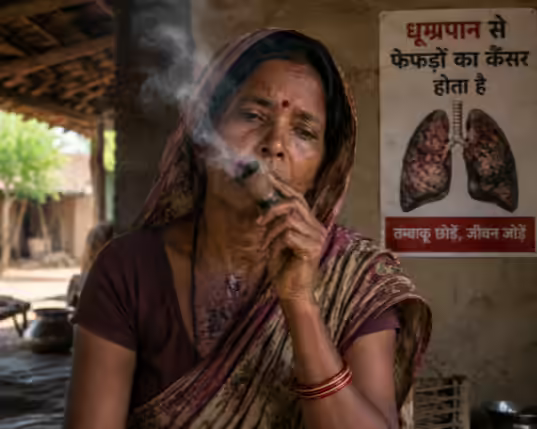
Don’t trade life for a puff. Smoke fades. Damage stays.
May 31 is World No-Tobacco Day — a global reminder of the
devastating health, social, and economic consequences of
tobacco consumption. Spearheaded by the World Health
Organization, the day is more than just a symbolic campaign. It
is a call to action for governments, healthcare systems,
educators, families, and individuals to confront one of the
world’s deadliest preventable habits.
In India, the urgency of this message cannot be overstated.
Tobacco continues to claim nearly 1.35 million lives annually in
the country, according to government estimates. From
cigarettes and bidis to gutka and chewing tobacco, nicotine
addiction has woven itself into the social and cultural fabric of
many communities. The result is a public health burden that
stretches hospitals, drains household incomes, and robs families
of loved ones far too early.
World No-Tobacco Day 2026 arrives at a time when India stands
at a critical crossroads. While awareness about smoking-related
diseases has grown significantly over the past decade, newer
challenges such as vaping products, youth-targeted marketing,
and digital influence threaten to reverse years of progress.
Tobacco: A Silent National Crisis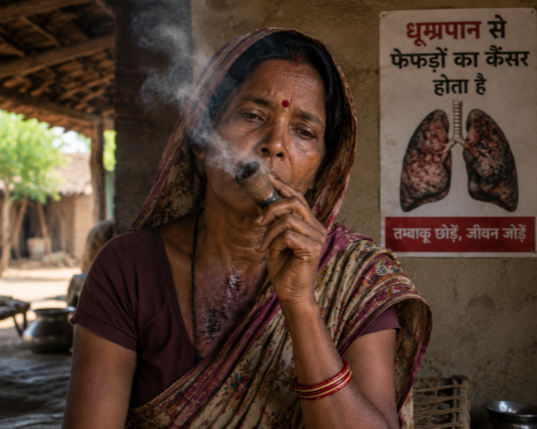

Tobacco is not merely a lifestyle issue. It is one of the leading
causes of preventable death worldwide. In India, tobacco use is
linked to cancers of the lung, mouth, and throat; chronic
respiratory illnesses; heart disease; stroke; and tuberculosis.
The impact is especially visible in the country’s oral cancer
statistics. India accounts for one of the highest burdens of oral
cancer globally, due to widespread smokeless tobacco
consumption. Products like khaini, zarda, and gutka are often
inexpensive and easily accessible, making them particularly
dangerous among lower-income and rural populations.
Yet the damage extends beyond physical health. Tobacco
addiction often creates a vicious cycle of poverty. Daily wage
earners may spend a significant portion of their earnings on
tobacco products while simultaneously bearing mounting
medical costs from related illnesses. Families lose productive
years of income, children lose caregivers, and healthcare
systems face immense strain.
Many users start young, compounding the tragedy. Adolescents
experimenting with tobacco are more likely to develop lifelong nicotine dependence, making prevention and early intervention
crucial.
The New Threat: Vaping and Nicotine Marketing
Over the last few years, the conversation around tobacco has
evolved. Traditional cigarettes are no longer the only concern. E-
cigarettes and vaping devices, often marketed as “safer
alternatives,” have emerged as a growing challenge globally.
India banned e-cigarettes in 2019, citing concerns about youth
addiction and public health risks.
However, online sales, influencer culture, and social media trends continue to expose young audiences to vaping imagery and nicotine glamorization.
The tobacco industry has also become more sophisticated in its
marketing tactics. Packaging, flavors, and digital campaigns are
increasingly designed to attract younger consumers. In an age
where teenagers spend hours online, anti-tobacco awareness
can no longer rely solely on warning labels and television
advertisements.
Experts argue that schools, parents, and digital platforms must
work together to create stronger awareness around nicotine
addiction. Conversations about tobacco must evolve alongside
technology and changing social behavior.
Why Quitting Tobacco Is So Difficult
One of the biggest misconceptions surrounding tobacco is the
idea that quitting is simply a matter of willpower. In reality,
nicotine is highly addictive. It alters brain chemistry and creates
physical as well as psychological dependence.
Many smokers and tobacco users attempt to quit multiple
times before succeeding. Withdrawal symptoms such asanxiety, irritability, headaches, and cravings can make the
process overwhelming.
However, medical experts emphasize that quitting at any stage
has enormous benefits. Within weeks, blood circulation and
lung function begin to improve. Over time, the risks of heart
disease, stroke, and several cancers decline significantly.
Support systems play a critical role in successful cessation.
Counseling, nicotine replacement therapy, support groups, and
digital quit programs can all improve the chances of recovery.
India’s national tobacco quitline and mobile-based cessation
services have also helped thousands begin their journey
towards a tobacco-free life.
Importantly, quitting tobacco is not only about adding years to
life—it is about improving quality of life. Improved breathing,
increased fitness, financial savings, and reduced stress for
families are among the immediate gains many former users
report.
India’s Policy Push: Progress and Gaps
India has taken several important steps in tobacco control over
the years. Graphic warning labels on cigarette packs, restrictions
on public smoking, and bans on tobacco advertising have all
contributed to increasing awareness.
The Cigarettes and Other Tobacco Products Act (COTPA)
remains a key legal framework regulating tobacco sales and
advertising. Public health campaigns featuring survivors of
tobacco-related diseases have also had a powerful emotional
impact.
Yet enforcement remains uneven.
Loose cigarette sales continue in many cities and towns,
making tobacco affordable and accessible to minors. Smokeless
tobacco products are still deeply entrenched in several regions.
Public smoking bans are inconsistently implemented, and
awareness in rural areas often remains limited.
Healthcare experts believe stronger grassroots interventions are
needed. Community health workers, schools, and local
governments can play a transformative role by integrating anti-
tobacco education into everyday public health outreach.
Taxation is another critical tool. Studies worldwide have
consistently shown that higher tobacco taxes reduce
consumption, especially among young users. Policymakers face
the challenge of balancing economic interests with long-term
public health priorities.
The Role of Families and Society
Tobacco control cannot succeed through laws alone. Social
attitudes matter.
Children who grow up in homes where smoking or chewing
tobacco is common are more likely to perceive it as normal
behavior. On the other hand, strong family conversations and
positive role models can significantly reduce the likelihood of
tobacco initiation.
Employers, schools, and colleges also have a responsibility.
Smoke-free campuses, counseling support, and awareness
campaigns can create environments that encourage healthy
choices.
Media and entertainment industries must also reflect on their
influence. Although regulations exist around tobacco depiction
in films and streaming content, smoking scenes often continue
to shape perceptions, especially among younger viewers.
World No-Tobacco Day is therefore not only about individual
choices. It is about building a culture where tobacco use is no
longer considered acceptable, aspirational, or inevitable.
A Future Beyond Tobacco
The fight against tobacco is ultimately a fight for public health,
economic stability, and future generations.
India has one of the youngest populations in the world.
Protecting young people from nicotine addiction today will
determine the country’s health outcomes for decades to come.
World No-Tobacco Day 2026 should serve as a reminder that
progress is possible. Millions across the world have successfully
quit tobacco. Countries have reduced smoking rates through
education, taxation, and healthcare support. Communities have
become healthier through collective action.
The challenge now is to sustain momentum.
Every cigarette not smoked, every packet of gutka avoided, and
every young person educated about nicotine addiction
represents a step towards a healthier society.
This May 31, the message is simple but urgent: tobacco kills,
prevention works, and quitting saves lives.
For India, the road to a tobacco-free future may be long, but it is
one worth taking—one breath at a time.
Disclaimer
Views expressed above are the author’s own.
END OF ARTICLE