
What happens to the brain during social rejection? The Science behind heartbreak, exclusion and hurt feelings
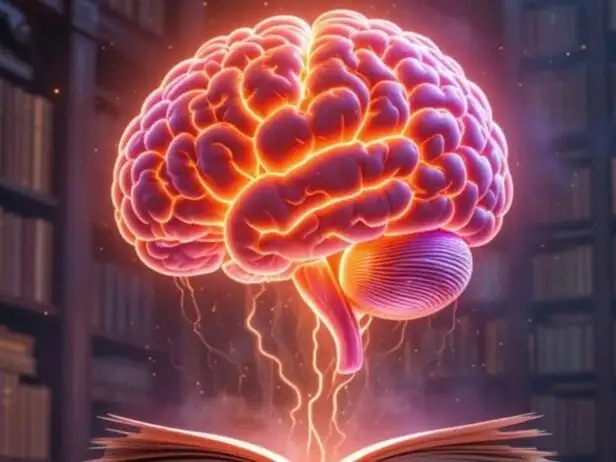
According to the American Psychological Association, psychologists spent years paying little attention to rejection despite it being such a common human experience. Researchers now believe social rejection affects far more than feelings. Studies suggest it can influence emotions, thinking, behaviour and even physical health. What may seem like a simple social snub can leave a surprisingly strong mark on the brain.
Why humans are so sensitive to rejection
To understand why rejection feels so intense, it helps to understand how humans evolved. People have always depended on groups. Long before modern cities and technology existed, survival depended on cooperation. Being part of a group meant access to protection, resources and support. Being excluded could create serious risks.
Image credit : Pexels | What may seem like a simple social snub can leave a surprisingly strong mark on the brain
Because of this history, researchers believe the human brain developed systems that encourage social connection. Just as hunger reminds people to eat and thirst reminds them to drink, the discomfort of rejection may serve as a signal that important social bonds are under threat.
Psychologist C. Nathan DeWall has explained that humans have a fundamental need to belong. Relationships are not simply nice additions to life. They are deeply connected to how people function psychologically. When those relationships are threatened, the brain reacts.
The brain sees social pain as a real threat
Many people assume emotional pain is completely different from physical pain. However, research suggests the two may be more connected than most people realize.
Researchers Naomi Eisenberger, Kipling Williams and their colleagues found that social rejection activates some of the same brain regions involved in physical pain. This discovery helped explain why rejection often feels more than emotional. People are not imagining the hurt. The brain appears to process social pain in ways that overlap with physical pain.
According to Discover Magazine, scientists believe this overlap may have evolutionary roots. For early humans, exclusion from a group could have serious consequences. As a result, the brain may have developed mechanisms that treat social rejection as a threat. Pain became a way to push people toward maintaining important social connections.
This helps explain why being dumped by a partner, losing a close friendship or being rejected for an opportunity can feel genuinely painful. The brain is responding as though something important has been lost.
Even small rejections can sting
Many people think rejection only hurts when it involves a major event. Research suggests otherwise.
One study found that participants felt less socially connected when a stranger appeared to look through them rather than making eye contact. The interaction lasted only a moment, yet it still influenced how people felt.
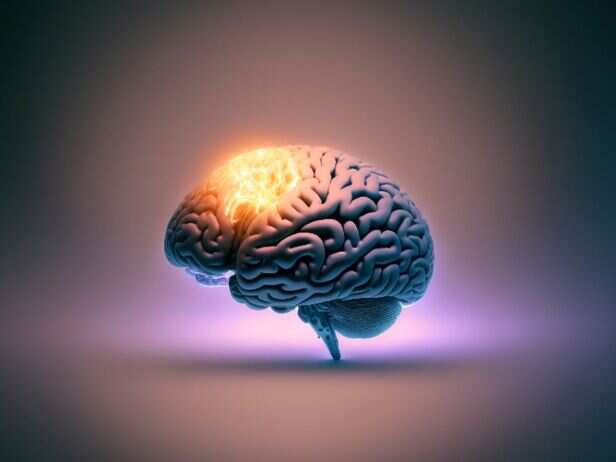
Image credit : Magnific | Researchers believe the human brain developed systems that encourage social connection
That finding highlights how sensitive people can be to social signals. Humans constantly look for signs that they are accepted, valued and included. Even brief moments that suggest otherwise can create discomfort.
Researchers have also found that rejection does not become easier simply because the source is unimportant. In several experiments, people still reported feeling hurt after being excluded, even when the people excluding them were strangers or individuals they disliked.
The brain appears to react to exclusion itself, regardless of who is delivering it.
What happens after the initial hurt?
The first response to rejection is often emotional pain. People may feel sadness, anger, embarrassment or anxiety. For some, there is also confusion. They replay conversations, revisit events and search for explanations.
Researchers have found that social rejection can influence many aspects of mental functioning. It can increase feelings of depression, jealousy and frustration. It may also make it harder to focus on demanding intellectual tasks.
Imagine a student who is suddenly excluded by a friend group. They may find themselves thinking about the situation during class instead of concentrating on their work. Similarly, someone who has just gone through a breakup may struggle to focus at work because their mind keeps returning to the loss.
The brain is trying to process what happened while also deciding what to do next.
Kipling Williams describes this as an appraisal stage. After the initial pain, people begin evaluating the rejection and considering how they should respond. Some seek reconciliation. Others distance themselves. The recovery process varies from person to person.
Why some rejections stay with us
A brief social snub may disappear from memory quickly. But larger rejections often linger.
One reason is that social pain can be reactivated by memories. A person may move on from a breakup or friendship loss, yet a photograph, message or familiar place can suddenly bring back emotions that seemed long gone.
Researchers have found that while memories of physical pain often fade, memories connected to social pain can remain surprisingly vivid. Many adults can still clearly remember moments of rejection from years earlier.
That lasting impact may be one reason rejection shapes future behaviour. Some people become more cautious in relationships. Others become more determined to gain acceptance. The experience can influence decisions long after the original event has passed.
The effects go beyond emotions
Social rejection is not only about hurt feelings. Studies suggest it can affect physical well-being too.
Researchers have found that people who frequently feel excluded often report poorer sleep quality. Their immune systems may also function less effectively compared with people who feel socially connected.
This does not mean every rejection leads to health problems. Most people recover from ordinary setbacks. However, repeated feelings of exclusion can create stress that affects both mind and body.
The connection highlights how deeply social relationships are woven into human life. The brain does not separate social experiences from overall well-being as neatly as people sometimes assume.
Why understanding rejection matters
Rejection is one of the most common experiences people face. It appears in friendships, families, workplaces, classrooms and romantic relationships. No one escapes it entirely.
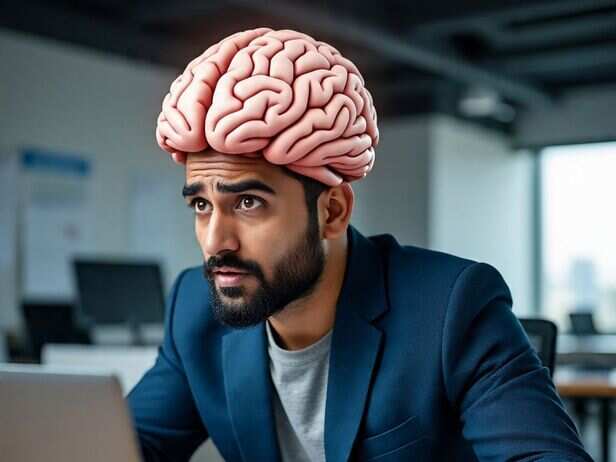
Image credit : Magnific | When those relationships are threatened, the brain reacts
What science is revealing, however, is that rejection is not simply a matter of hurt feelings. The brain responds to exclusion in powerful ways. It can trigger systems linked to pain, influence emotions, affect thinking and even shape physical health.
That does not mean rejection is permanent damage. Most people recover and move forward. But understanding what happens in the brain helps explain why being ignored, left out or rejected can feel so overwhelming in the moment.
The next time someone describes a breakup, a social snub or a painful rejection as something that “hurt,” science suggests they may be speaking more literally than many people realize. Their brain is reacting to a threat that humans have been wired to take seriously for thousands of years.