
Vivo X300 Ultra review: The closest a smartphone has come to replacing your camera
Rating: 4/5
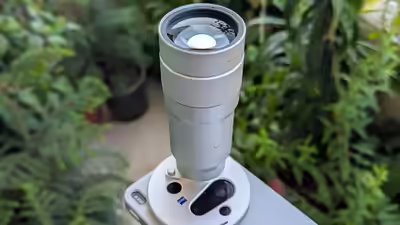
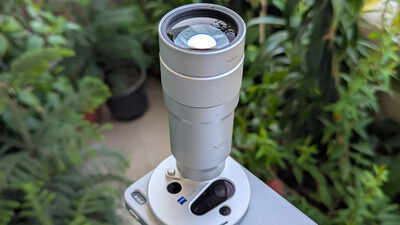
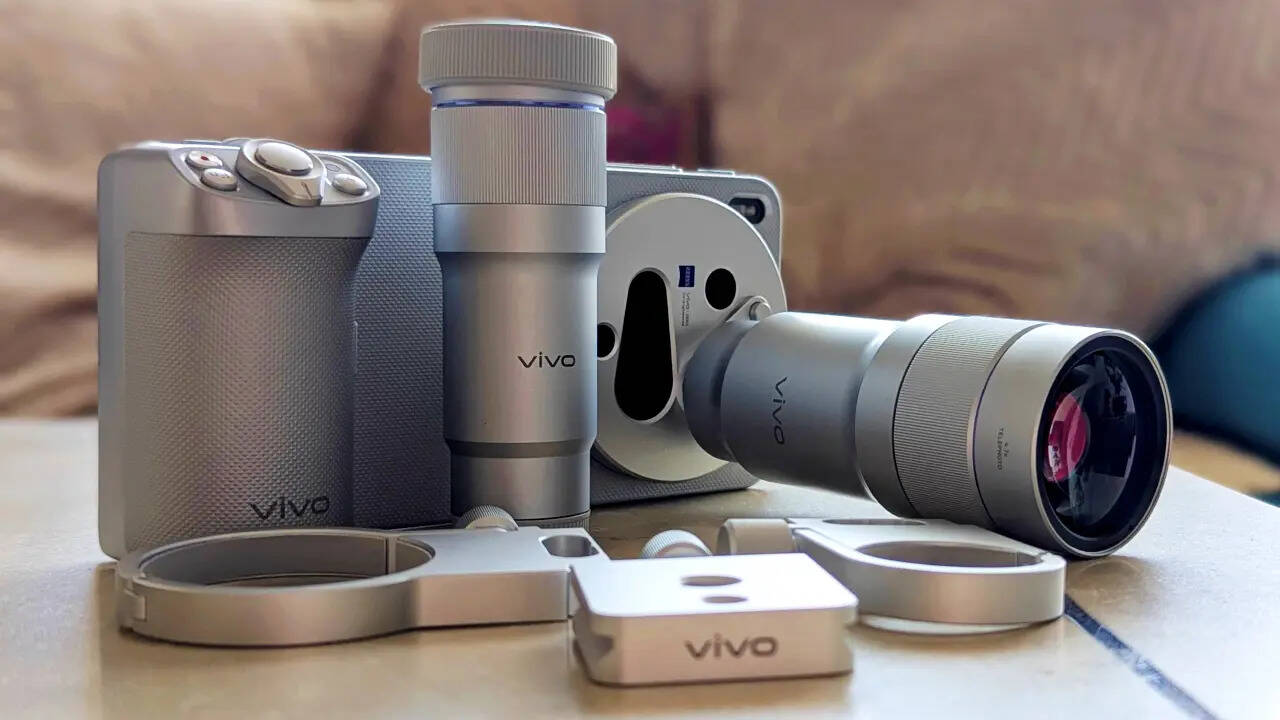
There is a category of smartphone that promises DSLR-level quality photography but delivers something that falls short of that promise. While the photos may be impressive enough to satisfy most people, for those who want the absolute quality out of a smartphone camera setup, it is a “fail to deliver” scenario. But Vivo may have found a footing in that category with the Vivo X300 Ultra – a different conversation entirely. This is a phone that gets close to DSLR territory, at least on its best days, with the right setup and the handler. The catch is that reaching that absolute potential requires buying not just the phone but the photography kit that comes with it. And the phone alone starts at Rs 1,60,000.The kit has the Vivo Zeiss Telephoto Extender Gen 2 Ultra (400mm equivalent), priced at Rs 27,999, while the Vivo Imaging Grip Kit priced at Rs 11,999. However, as part of the launch offers, Vivo offered the combined bundle at Rs 1,95,997. There is also the X300 Ultra Photographer Kit, which includes an additional 200mm equivalent telephoto extender lens.These numbers tell you everything about who this device is for. The X300 Ultra is not a flagship for the general buyer weighing up options but for someone who already knows they want the best possible camera system in a smartphone and is prepared to pay for it without hesitation. For that buyer, it may well be the most complete camera phone available right now. After putting it through its paces across a wide range of shooting scenarios – from sun-soaked landscapes to dimly lit rooms – here’s the breakdown of what this phone gets right.
Vivo X300 Ultra camera performance
Since the phone is built around a camera, we are going to discuss the most striking feature that makes everything else secondary. We feel that the camera system is the reason the X300 Ultra exists, and it justifies that reason thoroughly. Here are the key camera specifications:Primary: 200 MP, f/1.9, 35mm (wide), 1/1.12-inch, 0.7µm, PDAF, gimbal OISUltra-wide: 50 MP, f/2.0, 14mm, 116-degree (ultrawide), 1/1.28-inch, 1.22µm, dual pixel PDAF, OISTelephoto: 200 MP, f/2.7, 85mm (telephoto), 1/1.4-inch, 0.56µm, PDAF, OIS, 3.7x optical zoom
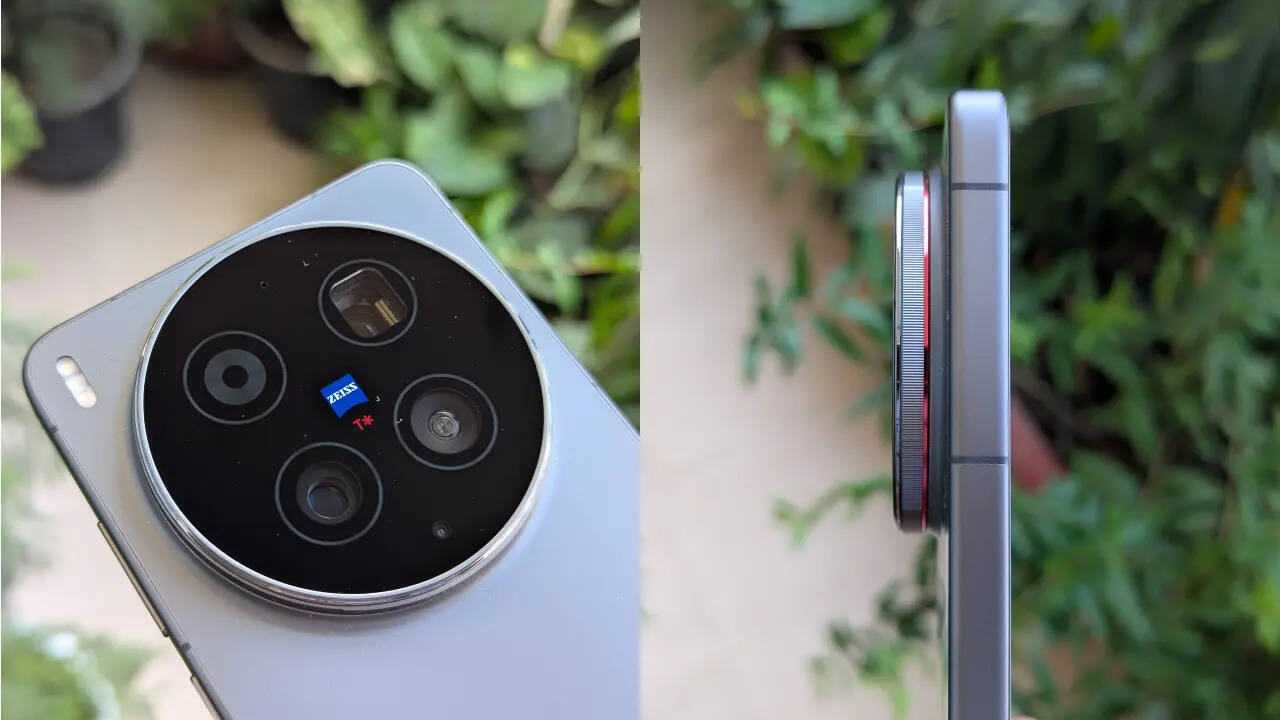
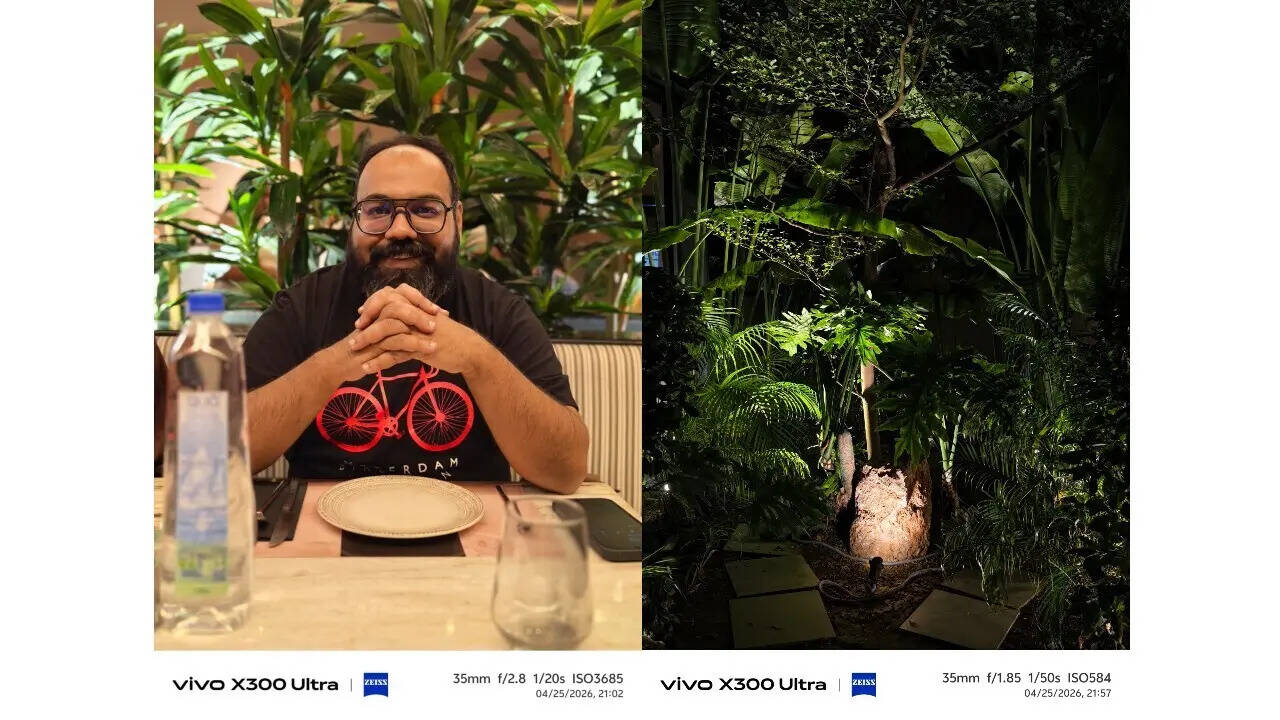
The three-lens setup on the phone has been developed in partnership with ZEISS, and the system delivers a consistency across focal lengths – a rare and impressive feat. Most camera phones have a clear primary lens that outperforms their other cameras, and the gaps between them are noticeable if you pay attention. On the Vivo X300 Ultra, the transition between wide, standard and telephoto feels seamless. This is due to the fact that the colour science across all three lenses is closely matched, near accurate and among the best available on any smartphone.Portrait photography: Where it truly shinesLet’s start with what the X300 Ultra does best: portraits. The primary 200MP sensor paired with a 35mm focal length is a great combination. That focal length gives photos a natural, almost film-like quality that most smartphones struggle to replicate. Skin tones look slightly warm for that little ‘punch’ and photos come out near true-to-life rather than overly smoothed or artificially brightened. The fine details such as hair or beard, moles, fabric texture and facial features, come through with impressive clarity in good light.Portrait mode deserves a special mention because the subject separation is clean and accurate, and the background blur has a softness to it that feels artistic rather than algorithmic most of the time. In group shots, there is a bit of inconsistency but only eagle-eye professionals will be able to quickly point that out. There is a relatively narrow depth of field that means that subjects standing at different distances from the camera won’t always share the same level of sharpness.
In addition, using the mode on objects like flowing water may quickly shift the focus away from the subject, requiring us to recapture the shot that we wanted to.Zoom performance: Best-in-class The ZEISS Telephoto Extender Kit is where the system moves into territory no other smartphone has reached yet. The optical accessory attaches to the camera module and extends the telephoto range beyond what the built-in hardware alone can achieve, producing results that compete meaningfully with entry-level and mid-range dedicated cameras. Vivo specifically highlighted wildlife and nature photography as the best use case, and the extenders do make it viable.The 200MP telephoto sensor with 3.7x optical zoom is a treat. Whether you’re shooting across a crowded street or trying to frame a subject from a considerable distance, the level of detail preserved outperforms competitors at long and very long zoom ranges. Video zoom holds up well too, with strong sharpness and consistent performance across focal lengths. Now with zoom, you tend to get some noise but Vivo uses AI texture reconstruction that is mostly natural-looking. The faces or objects photographed from a distance can look slightly over-sharpened or artificial but that can be mitigated by the telephoto extender. These extenders took us near to our subject for a better understanding of our shot. Yes, even the extenders have limitations. For example, you have to be steady, control your breathing when you are shooting an extremely closeup photo of a gliding eagle or a running deer (in handheld mode). Photos come accurate. We used a tripod though extreme zoom does kill away sharpness. The fact of the matter is: like any camera – phone or professional – the Vivo X300 Ultra has its zoom limits, but within and often beyond those limits, it remains the closest a smartphone has ever come to true camera-grade photography.
Ultra-wide camera performance: Big step upThe Vivo X300 Ultra is a big step up from its siblings and previous iterations when it comes to wide-angle photography. The result is noticeably sharper images with better detail retention and a more natural rendering style.Low light: The Achilles’ heelThis is where the X300 Ultra shows its limitations most clearly. In dimly lit environments, the camera’s AI processing becomes a double-edged sword. On one hand, it can lift face detail in ways that genuinely impress. On the other hand, it occasionally overcorrects which essentially pulls out the essence of that ambient lighting. For example, in a dimly-lit restaurant, the photo came out to be overly bright. While the phone captured the right colours and all the features were visible, the essence of dim light and shadows – that would have provided them an artistic touch – were ‘killed’.Everyday photo performance: ReliableOutside of the low-light struggles, day-to-day photo performance is excellent. Exposure is accurate, colours are vivid, and punchy without being oversaturated, and the dynamic range handles most outdoor scenes with confidence. White balance stays neutral and natural in bright conditions.There are occasional autofocus hiccups and some subtle inconsistencies between consecutive shots but there is nothing deal-breaking.Video performanceVideo performance is equally strong, with stabilisation that handles movement well and colour handling that remains consistent between stills and footage. The ‘extra’ glare is handled well, and videos captured till late evening are acceptable but video in low light is the weakest link in the chain. It’s not unusable, but it does feel like a step backward relative to the phone’s extreme photography prowess.The Vivo X300 Ultra is a genuinely impressive camera phone, particularly if portrait and zoom photography are priorities for you. Overall, if you’ve been hunting for a smartphone that punches hard in the camera department, the Vivo X300 Ultra is hard to ignore.






Design: Big, bold and deliberate
The Vivo X300 Ultra makes no attempt to be subtle about what it prioritises. While the colour selection may be muted with Victory Green and Eclipse Black options, the phone screams to tell that it is built around the camera system – which is why the rear camera module is the first thing you will notice. It is a huge (for a smartphone camera island), protruding metal housing that sits high on the back. Owing to its size and the high-level of hardware it packs, it makes the phone top-heavy. While this may be a criticism for any other phone, but for Vivo X300 Ultra, this is something we had to accept given the prowess under the hood.In practical terms you can slide it into your pocket but it will be a hassle to take it out frequently. Hence, the kit also gets you a Shoulder Strap that you can use to keep the camera ready for that quick, perfect shot. It worked best in scenarios when we were capturing content during our short trip to Morni Hills. We had the 400 mm Equivalent vivo ZEISS Telephoto Extender Gen 2 Ultra and Vivo Imaging Grip on most of the time. The extender has to be locked into a special back cover that makes the phone slightly thicker.
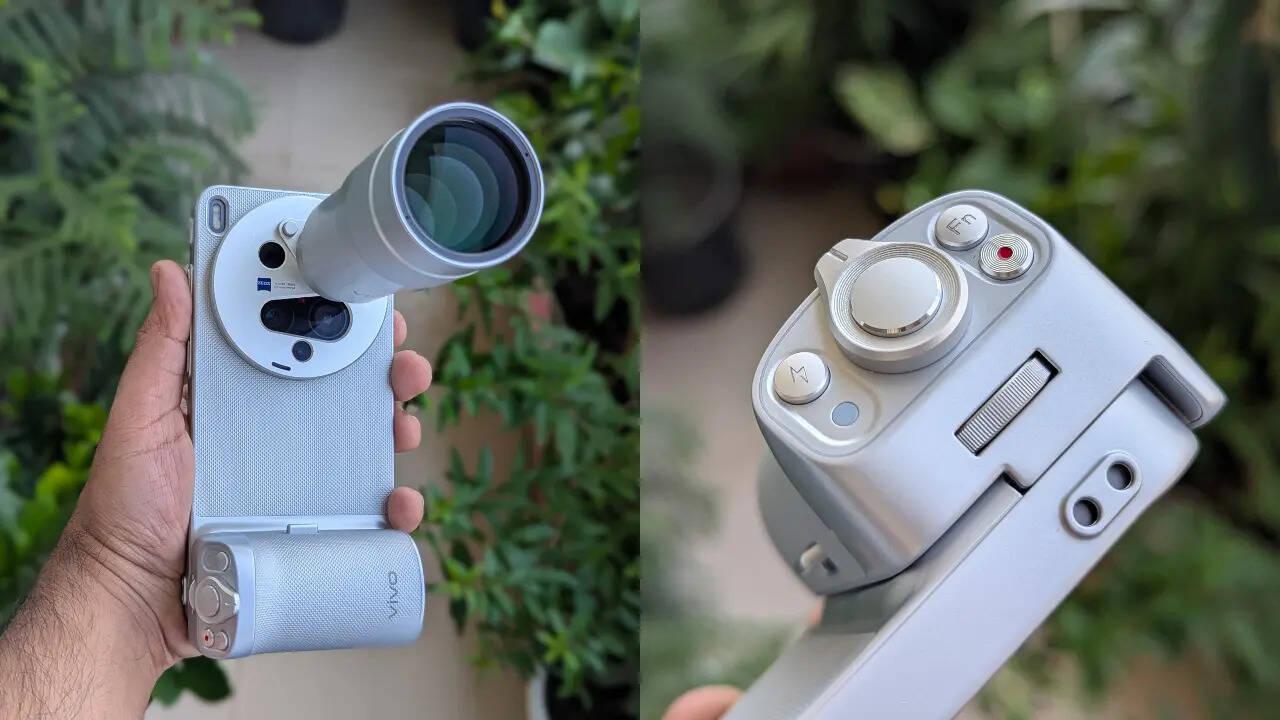
The Eclipse Black variant we reviewed has a smooth finish, slippery on occasion but we mostly used the phone for shooting purposes so we always had a back cover on that improved our grip meaningfully. The phone gets IP68 and IP69 ratings, reassuring us that the phone is designed to go where interesting photographs happen – near the water and amid the dust.
Display: Nothing to add
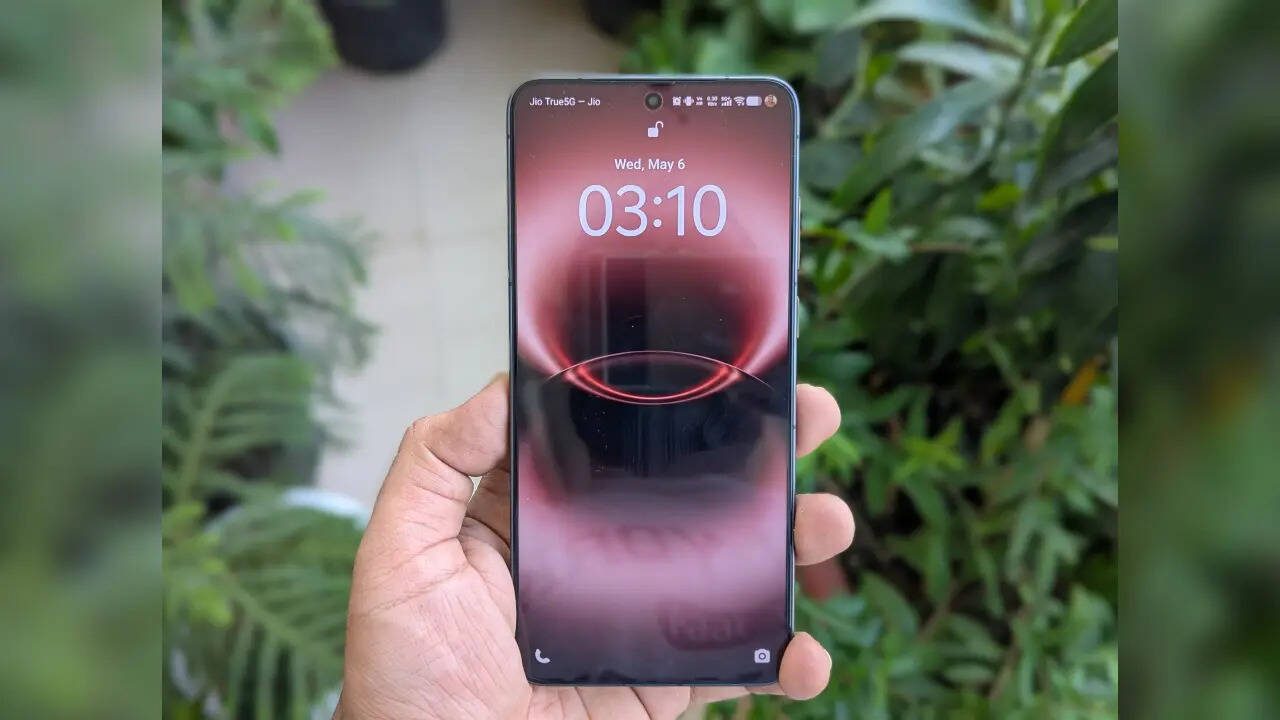
The Vivo X300 Ultra’s 6.82-inch display on the X300 Ultra is as good as any screen currently available on a smartphone. The panel has a 2K resolution, a 144Hz adaptive refresh rate, hits 1800 nits of global peak brightness and 4500 nits locally, covers 100% of the P3 wide colour gamut and supports Dolby Vision. Bezels are slim on all sides, which makes the large screen feel. In daily use, colours are vivid and accurate, blacks are deep and the screen holds up well under direct sunlight. The stereo speakers complement the display’s quality.
Performance: Delivers what it promises
The Vivo X300 Ultra packs a Snapdragon 8 Elite Gen 5 that also powers some of the other flagship smartphones – the difference is how each manufacturer has optimised it to work in tandem with their own OS skin. The Vivo X300 Ultra is optimised thoroughly, which in practice means that the phone is effortlessly fast with quick apps opening, seamless multitasking and nothing in day-to-day use that produces any hesitation or lag over the review period. Gaming performance is strong and thermal management under sustained load is well controlled.The X300 Ultra ships with Android 16 and OriginOS 6, and Vivo is committing to five years of major OS updates alongside seven years of security patches. That update policy is decent, though it still sits behind the seven-plus-seven commitment offered by some competitors. The skin performance comes down to personal preference. While some like granularity over how their phones behave, some are okay with what they have. The overall experience is satisfactory.
Battery and charging: Solid performance but …
The 6,600mAh battery inside the Vivo X300 Ultra is among the largest capacities available in the flagship tier. But raw capacity does not tell the full story of battery life, and in practice the X300 Ultra is well within the range of current flagship endurance. On a typical full day of mixed use, which includes light camera work, social media, messaging, some video, the phone made it to evening without any anxiety. On lighter days or when used as an auxiliary phone, a single charge gave almost two days of run time. However, if using the phone for extreme photography, the battery dies in a few hours. The 100W FlashCharge support, though, addresses the battery anxiety in those times. The included 100W charger can take the phone from 20% to full in just over half an hour on the rapid charge setting.
Verdict
The Vivo X300 Ultra is the best camera phone available right now. The ZEISS partnership produces a three-lens system with class-leading consistency, the colour science is among the best in the business, and the Telephoto Extender Kit extends the ceiling of what smartphone photography can produce. Everything else – the display, the processor, the battery – operates at the level you would expect from a serious flagship. But the real question with the Vivo X300 Ultra is never really about any of that. It is about whether the camera system justifies Rs 1,60,000 for the phone alone, and about 2.10 lakh including the photography kit. For someone who buys a phone primarily for its camera, and does not wish to purchase a dedicated DSLR to shoot serious content — the answer is yes. For everyone else, Vivo’s X300 Ultra may feel a bit out of reach. Vivo X300 Ultra cannot replace your DSLR yet but it comes close.