
US forces are set to exit Iraq after 2 decades, leaving opening for Iran
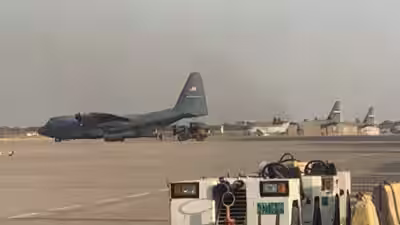
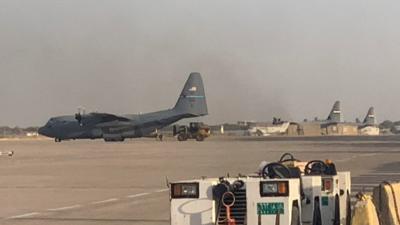
US forces are set to leave their last bases in Iraq by Wednesday, ending a military presence rooted in the 2003 invasion and welcomed by Iran and its allies as a victory. Iraqi security experts warned the withdrawal could expand Tehran’s influence and help Islamic State regroup.The pullout, agreed in 2024 under President Joe Biden and implemented by Donald Trump’s administration during its war against Iran, comes after more than two decades of conflict in which 4,500 Americans died.Security analyst Jasim al-Bahadli said the departure removed a longstanding counterweight to Tehran and could allow pro-Iranian militias to gain greater influence over security and political decisions. Abu Mojtaba al-Yasiri, a commander in the Iran-backed Islamic Resistance in Iraq, called it “a historic victory for the Iraqi Islamic resistance groups and honourable Iraqis, and a crushing defeat for the American project”.However, Sunni tribal leader Abdulrahman al-Zobaie said Iraq was not fully ready to assume responsibility for security and warned that the coalition’s departure could create a vacuum.US forces invaded Iraq in 2003, toppled Saddam Hussein, installed a Shi’ite-led govt and fought a prolonged counterinsurgency before withdrawing at the end of 2011. They returned less than three years later to help Iraqi forces defeat Islamic State in a war from 2014 to 2017. Around twice as many Americans died in Operation Iraqi Freedom as in Afghanistan, where US forces withdrew abruptly in 2021.Iraq subsequently maintained political and military ties with both Washington and Tehran, while its territory sometimes became a proxy battlefield. A US strike killed Iranian commander Qasem Soleimani at Baghdad Airport in 2020, while Iran’s allies repeatedly attacked US bases.Iran, which seeks the removal of US forces from West Asia, says the withdrawal is a victory for its “axis of resistance”. Washington has accused Iran-backed Iraqi militias of attacking neighbouring countries. Kurdish commander Sirwan Barzani said losing US intelligence and logistical support could allow Islamic State sleeper cells to regroup.