Unidentified bodies to be buried early: How Nepal will preserve an identification trail alive
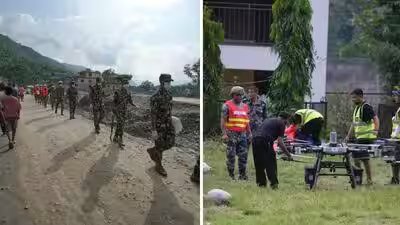
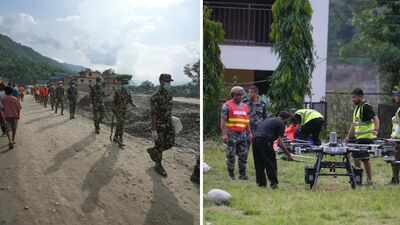
Nepal will preserve DNA samples and other identifying information from victims whose bodies cannot be identified before their remains are buried, Prime Minister Balendra Shah said on Saturday, as authorities continued searching for nearly 3,000 people missing after a devastating flood in the Himalayan region.The death toll from the Nepal-Tibet disaster has crossed 680, with at least 669 people killed in Nepal and seven in China’s Tibet, according to authorities cited in the background report.Nearly 3,000 people remain missing, including about 2,426 in Nepal and more than 500 in Tibet’s Gyirong County. At least 540 foreign nationals are among the missing, many of them Indian Hindu pilgrims.In a social media update on rescue and relief operations, Shah said bodies that could not be immediately identified would be handled according to government guidelines for unidentified and unclaimed remains.However, DNA samples and other information that could help establish the victims’ identities would be preserved before burial, he said.Authorities said some recovered bodies had decomposed beyond recognition. They are expected to be buried after legal formalities because of health risks and concerns over possible disease outbreaks.“DNA samples will be collected, and the bodies will be buried in an open space,” the Chitwan district administration said in a notice.Bodies identified by families are being handed over to them.Rescue operations resume after weather pauseNepal resumed search and rescue operations on Saturday afternoon after rain and fog temporarily disrupted efforts in the worst-hit areas.“Helicopters are flying and the operation resumed following some improvement in weather,” a police officer in the hard-hit Rasuwa district said.Rescue work had also been suspended on Friday after a lake formed along the Nepal-China border began overflowing into the Lhende Khola and Trishuli rivers. By Saturday, the risk had eased, with Chinese authorities and state broadcaster CCTV reporting that parts of the lake bed had become visible.Satellite images indicated that the lake was gradually draining and shrinking. However, an official warned that flood risks would remain until both upstream lakes had fully drained.The disaster was triggered by a glacier collapse that sent a torrent of rock, ice, mud and debris through mountain river systems on Wednesday, sweeping away villages, buildings, bridges and power infrastructure.
Families await news of missing
Families of missing people gathered outside Maharajgunj Medical Campus in Kathmandu, where some recovered bodies were taken. Photographs of the bodies were displayed on gates and boundary walls as relatives searched for signs of their loved ones.In Malaysia, families of 91 citizens listed as “uncontactable” across Nepal and Tibet also waited for information.Manivannan Rethinam, who represents some of the families, urged Malaysia’s foreign ministry to establish a communication channel for faster updates, describing the lack of information as “profoundly painful”.Malaysia’s foreign ministry said search, rescue and verification efforts were continuing, while India’s Ministry of External Affairs said 275 Indian nationals remained missing.
Nepal seeks specialist foreign assistance
Nepal has called for specialist international assistance as it begins dealing with the scale of the disaster and its aftermath.Foreign Minister Shisir Khanal said the country needed technical support to rescue people trapped in tunnels, restore transport and communications infrastructure, identify bodies, conduct DNA testing and preserve remains for longer periods.A team of Indian tunnel experts arrived in Nepal on Saturday, while China dispatched five tunnel experts to assist with rescue operations, with four more expected to join them.India has also sent three flights carrying 60 tonnes of relief supplies, including food, medicines and blankets. New Delhi has offered disaster-response personnel, prefabricated bridges and technical teams to help restore connectivity.Nepal’s Finance Minister Swarnim Wagle told Reuters that the initial estimate for rebuilding was between $4 billion and $5 billion.“This is just an estimate. Loss and damage is being assessed,” he said.