The Great Pyramid was not built by slaves. Instead, it was built by paid workers who drank beer, ate meat, received medical care and were buried with honour | World News
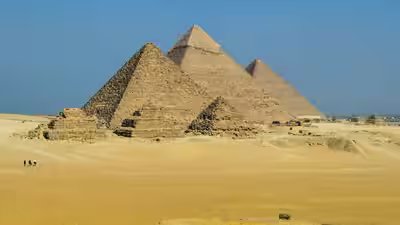
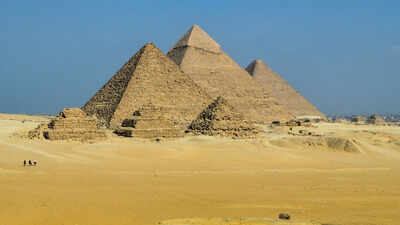
For decades, pop-culture like Hollywood blockbusters and classical history books, has painted a harsh picture of the Great Pyramid’s construction. We often imagine thousands of slaves, oppressed by cruel supervisors, pulling massive stones in the cruel heat to build eternal monuments for their kings. However, modern archaeology has challenged this myth, revealing a complex picture of human history.According to archaeological evidence from the Giza Plateau Mapping Project, the individuals who built the Giza pyramids were not replaceable slaves, but a respected, well-provisioned, and highly organised workforce. Excavations at the ‘Lost City’ and the discovery of a dedicated workers’ cemetery have proven that these men and women lived in a purpose-built town, enjoyed a rich diet of meat and beer, and received advanced medical care. They were the backbone of a project that unified ancient Egypt through advanced administration and shared pride.
Where did the pyramid workers live during the construction
According to the Giza Plateau Mapping Project (GPMP), the workers lived in a massive settlement known as Heit el-Ghurab (HeG), or the ‘Lost City,’ located south of the Sphinx. This was not a temporary camp but a permanent urban centre with streets, magazines, and a royal administrative building. According to Mark Lehner in ‘The Lost Port City of the Pyramids,’ the site actually functioned as a major Nile port and harbour, with basins and docks for unloading materials.According to the Egyptian Ministry of Tourism and Antiquities, the workforce stayed in a ‘Gallery Complex,’ which likely functioned as barracks for teams of workers or military forces. These galleries provided housing and space for food preparation. For higher-ranking administrators, more comfortable accommodations were available, such as ‘House Unit 1,’ a 400-square-metre residence with well-laid floors and a master bedroom with a sleeping platform, as per the Giza Plateau Mapping Project.
What was on the menu for a pyramid labourer
The diet of these workers was luxurious and protein-rich. According to researcher Richard Redding in ‘The Diet of Pyramid Builders,’ it took approximately 4,000 pounds of meat per day to feed the labourers. Based on the analysis of 175,000 animal bone fragments found at the site, the diet consisted mostly of cattle, sheep, and goats. These animals were shifted from the Nile Delta to Giza by the administration to ensure the workers remained healthy and strong for their physical labour.In addition to meat, bread and beer were also part of the menu. According to the GPMP report, dozens of bakeries have been located across the site, and evidence of malting suggests specialized beer production. According to an interview with Dr. Zahi Hawass, a tomb belonging to a priest named ‘Kai’ contains an inscription which says that he paid his workers with ‘beer and bread’ and made them take an oath that they were satisfied with their payment. This evidence of mutual satisfaction and state-support strongly challenges the idea of forced, unpaid labour.
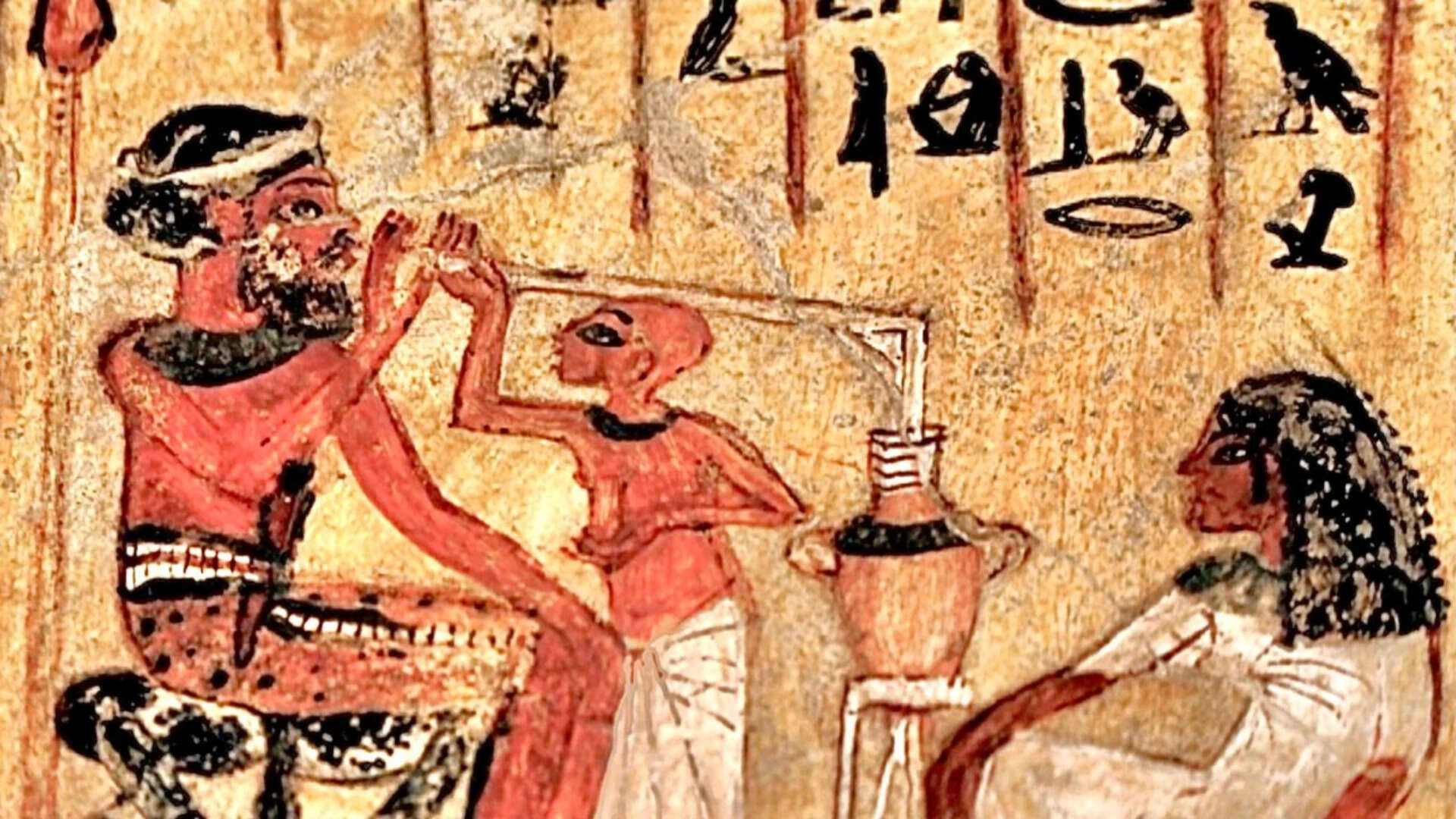
Image Credit: By Vassil
How do we know the workers received medical care
The health of the workers was a priority for the state. According to Sujamol Joseph’s research, skeletal remains show that while the workers performed heavy labour that led to osteoarthritis and lumbar stress, they also received competent medical treatment. Archaeologists found many examples of healed fractures in arms and legs, indicating that doctors on-site used splints to set broken bones.More interestingly, Dr. Zahi Hawass mentions in a NOVA interview that x-rays revealed a workman who survived for two years after undergoing brain surgery. Another worker had a leg successfully amputated after it was crushed by a stone and lived for years afterward. This level of medical intervention proves that the labourers were a valuable resource worth maintaining, rather than an expendable workforce.
How was such a massive workforce organised
The construction was a ‘national project’ managed through a well structured administrative system. According to ‘The Discovery of the Tombs’ by Zahi Hawass, the labour force was organised into competing gangs with names like the ‘Friends of Khufu’ or the ‘Drunkards of Menkaure.’ These gangs were divided into smaller groups of 10-20 men called ‘phyles,’ which were given titles representing ideas like ‘life, ‘perfection,’ and ‘endurance’.According to the recently published ‘Diary of Merer’ documents, an inspector managed a team of forty boatmen. Merer’s logbook records the daily transport of limestone blocks from the quarries to the construction site at Giza. This administrative record confirms that the pyramid projects were handled with precision, involving a seasonal workforce of peasant farmers.
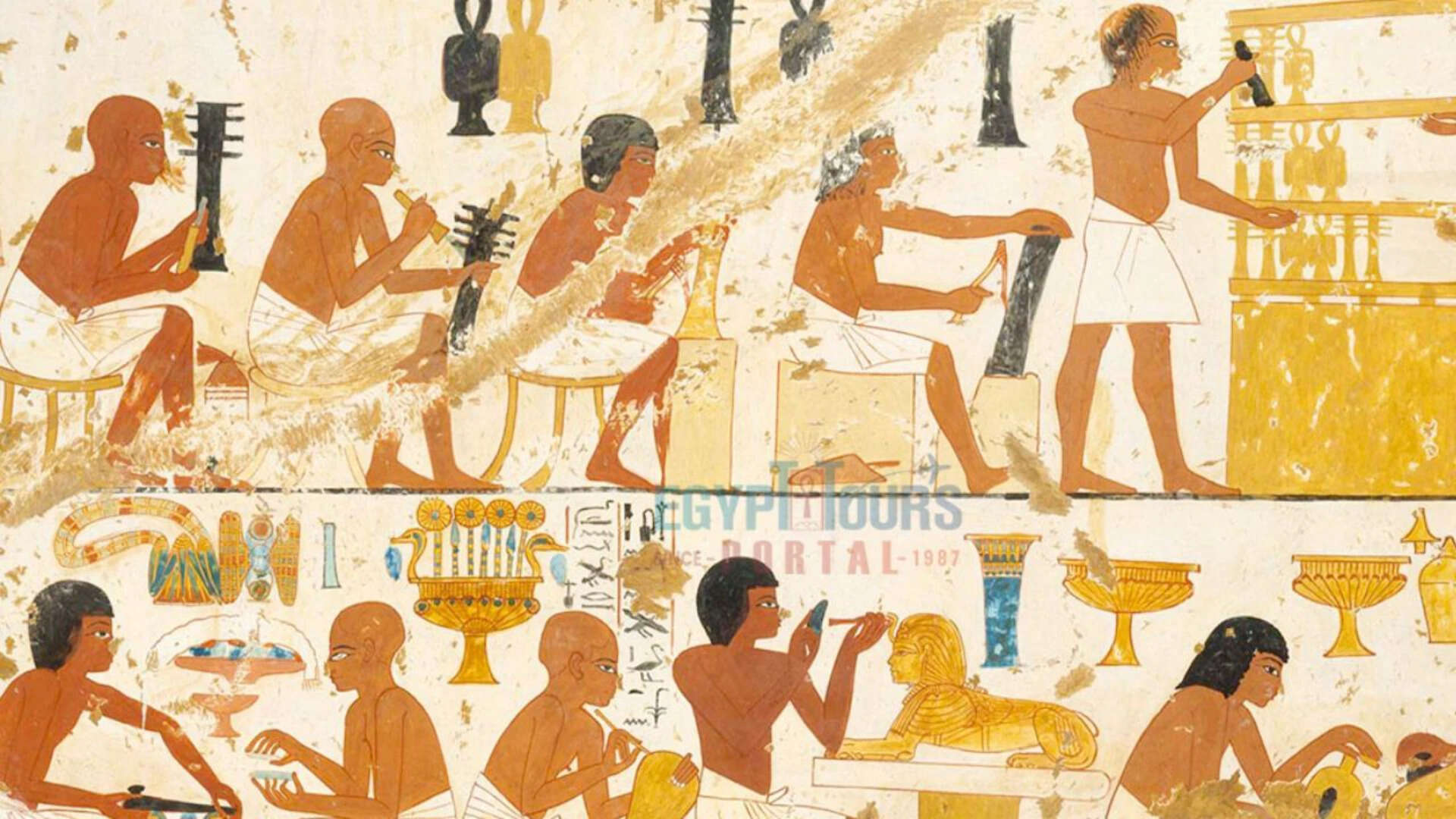
Image Credit: Egypt Tours Portal
Why were they buried in tombs of honour
As per the Egypt’s Ministry of Tourism, towards the west of the workers’ town is a cemetery containing hundreds of tombs. While the labourers were buried in modest mud-brick tombs, their supervisors and skilled artisans were granted larger stone mastabas higher up the slope.According to Dr. Zahi Hawass, These tombs were filled with personal names, titles, and household statues. For example, the tomb of the artisan ‘Inty-shedu’ contained five statues representing different stages of his life. It was a high honour being buried so close to the king’s pyramid which is also considered sacred and divine. Because of modern archaeology, we now see these pyramids not as monuments built on suffering, but as the result of a sophisticated, well-fed, and medically supported society.