The Beast suit looks the part, Vijay, now be the beast chief minister
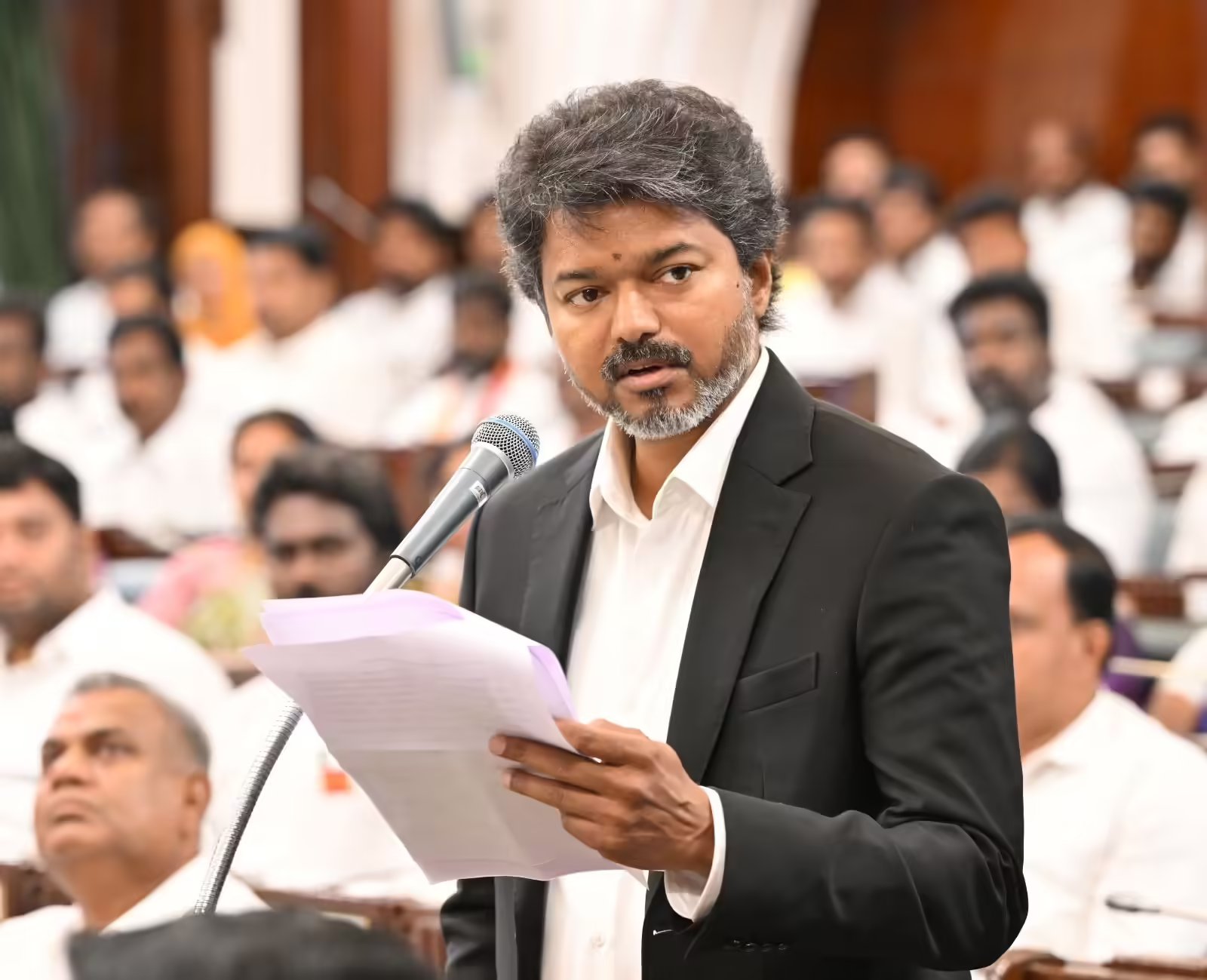
Chief minister C Joseph Vijay has kept the black ‘Beast’ suit on. And the sartorial symbolism matters: he is different. Yet symbolism can only open the door; governance must walk through it.
Tamil Nadu today is not merely watching what Vijay does; it is watching whom he chooses to do it with. A full cabinet is yet to take shape, and political pressure is mounting.
The trickiest pressure comes from the AIADMK faction led by C Ve Shanmugam and S P Velumani, reportedly seeking at least half a dozen ministerial berths.
For Vijay, this is more than coalition arithmetic. It threatens to strike at the heart of his political brand.
He did not arrive in office as a veteran administrator promising incremental change. He came as an outsider with a language of renewal. His campaign rested heavily on two intertwined promises: clean governance and a break from cynical politics. People voted not just for a new govt but for a different political culture.

The larger challenge is corruption itself. Anti-corruption politics in India often collapses into spectacle — raids, headlines, accusations against rivals and dramatic speeches. Citizens encounter corruption not in headlines but in queues — at the village office, municipal counter, taluk office, registration department and police station. They meet it while seeking a birth certificate, a land patta, a building approval, an electricity connection or a welfare benefit.
This is where Vijay’s anti-corruption mission must begin. The govt should launch a cleanup mission beginning at the lowest administrative level.
Every govt service application should be digitised and trackable. Citizens must know where a file sits, why it is delayed and whom to approach if timelines are breached. Govt offices must display mandatory service timelines and grievance escalation systems. Anonymous public feedback should be encouraged. Officers repeatedly facing complaints should face departmental scrutiny. Corruption survives not because rules are absent but because consequences are rare.
Reform cannot stop at the clerk’s desk. Tamil Nadu’s deeper corruption challenge lies at the other end of the pyramid — in procurement and contracts. Kickbacks for infrastructure projects and civic contracts have become so institutionalised that whispers of protest among contractors are often about the hike in percentage. Citizens may not know the technical details of tenders, but they instinctively understand when contracts appear opaque or politically favoured. And, when the blacktop of a newly laid road peels off, it exposes the gravel of graft.
Every govt contract should be placed in the public domain with tender details, competing bids and award rationale accessible online. Independent procurement oversight, periodic third-party audits and transparent disclosure of project costs and timelines can restore public trust. A chief minister serious about fighting corruption should insist that sunlight, not secrecy, governs public spending.
This may discomfort many people in the system who nurse the dream of continuing with their corrupt ways once the new govt gets over its celebratory phase. That’s when Vijay should remind them what he said after taking the oath on May 10: “Erase that thought right this minute.” Dismantling corruption requires more than personal honesty at the top; it demands institutional redesign.
Vijay begins office with advantages most leaders envy — enormous goodwill, emotional connection with supporters and the political capital of novelty. But novelty fades quickly in politics. Govts are remembered not for the excitement of arrival but for the discipline of decision-making. Like the chief minister’s attire, governance should be in black and white.
Disclaimer
Views expressed above are the author’s own.
END OF ARTICLE