South Wales rewetted damaged peatlands; monitoring recorded expanding water-vole signs alongside recovering bog plants and wildlife |
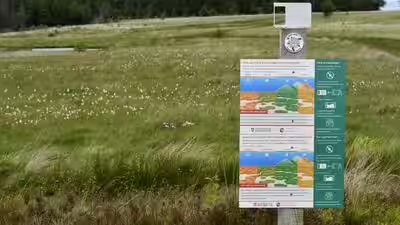
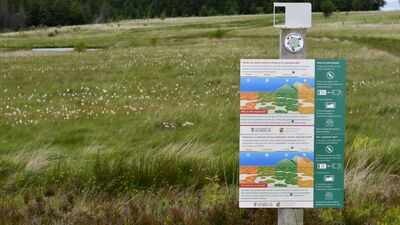
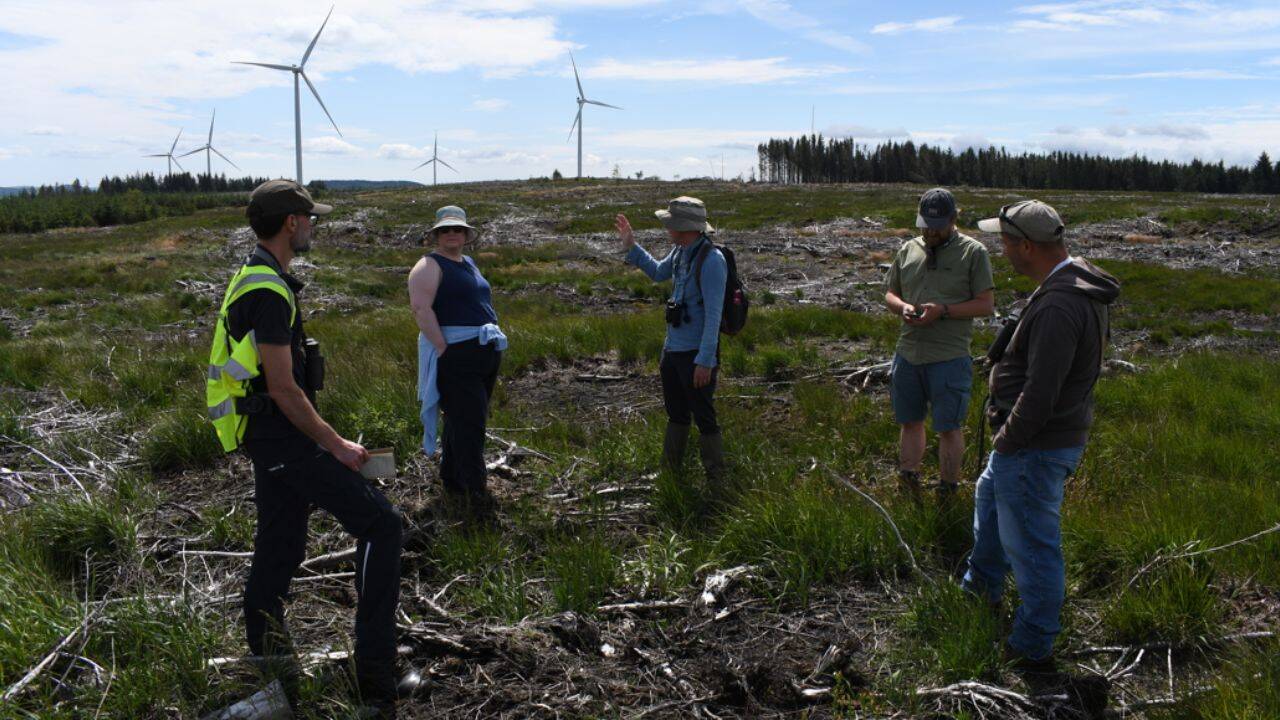
Peatland restoration across South Wales has shown positive results, with rising water tables at some sites, changes in vegetation and increased wildlife activity recorded at restored sites. The findings come from a monitoring programme conducted between 2021 and 2025 to understand how these landscapes respond to restoration and contribute to climate resilience. The Lost Peatlands project carried out ecological, hydrological and carbon monitoring with Swansea University and Natural Resources Wales. According to the Lost Peatlands of South Wales project, the most comprehensive peatland monitoring programme was undertaken in South Wales.
How has peatland restoration changed water levels and vegetation in South Wales
The Lost Peatlands project tracked water levels across restoration sites to assess progress and identify early signs of ecosystem recovery. Automatic water-level loggers recorded hourly readings, revealing statistically significant rises in water tables at Castell Nos and Cwm Saerbren.These changes were accompanied by shifts in vegetation. More than 8,000 vegetation records showed clear increases in bog-specialist species, including Sphagnum, Drosera and Narthecium. At Castell Nos, Sphagnum medium, a key peat-forming species, expanded significantly, making the site a new stronghold in Glamorgan. The findings indicate how water levels and plant communities are responding to restoration at the monitored sites, with statistically significant water-table rises at Castell Nos and Cwm Saerbren.
PC: Lost Peatlands of South Wales project
How has peatland restoration affected birds, bats and water voles in South Wales
Wildlife monitoring recorded 46 bird species across the project sites, including Red and Amber-listed species such as Skylark, Willow Warbler, Tree Pipit and Whinchat. Bioacoustic monitoring also detected increasing soundscape complexity following restoration.Bats also showed similar changes, with nine species detected across the sites. Their activity and species diversity increased after restoration at key locations.At Castell Nos, signs of water voles, a protected species rarely recorded in upland peatlands, spread into new areas after restoration. The expansion was supported by open-water features created through the construction of dams and borrow pits.
Carbon monitoring tracks the effects of peatland restoration at the project sites
The project monitored carbon movement through peatland waterways to assess the effects of restoration. Weekly samples measured total and dissolved organic carbon at restored sites and compared the results with those from intact reference sites.The findings showed no major carbon flushes after restoration. In many cases, carbon patterns at restored sites mirrored those at intact reference sites. The proportion of dissolved organic carbon also increased over time, which the project identified as an indicator of stabilising conditions.The monitoring work helped Swansea University develop new methods for measuring greenhouse-gas flux, catchment hydrology and peat compression after restoration, addressing important evidence gaps in the UK. Research into peat compression caused by cross-tracking and methane behaviour in restored furrows also added to scientific understanding of peatland recovery.
Long-term monitoring will continue to track peatland recovery at the project sites
Although the restoration phase has ended, monitoring will continue to track changes across the sites. Automatic water-level loggers will remain in place for at least the next 10 years, while vegetation, carbon and wildlife surveys will continue through the partnership with Swansea University.Swansea University’s programme at the Pen y Cymoedd windfarm, funded by Vattenfall, is also carrying out long-term research that provides detailed hydrological and ecological data. The National Peatland Action Programme is gathering standardised evidence across Wales to assess peatland condition and restoration outcomes.The project has become a major case study for forest-to-bog restoration in Wales, with its datasets being used in national peatland forums, academic research and future windfarm restoration schemes. This ongoing work will help track ecological changes, refine restoration practices and strengthen the evidence base for upland peatland recovery.