
Shane Jones Immigration Controversy: ‘I get cut through by hyperbole’: NZ minister Shane Jones refuses to tone down ‘butter chicken tsunami’ remark

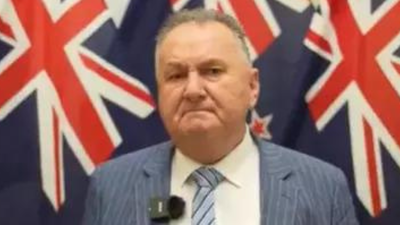
Senior New Zealand minister Shane Jones has defended his controversial remarks on immigration, saying he uses “hyperbole” to gain “cut through” in public debates, even as criticism mounts over his “butter chicken tsunami” comment.The New Zealand First deputy leader on Wednesday said colleagues in Parliament had urged him to tone down his language, but he made it clear he would not change his approach.“I get cut through on debates by deploying hyperbole,” Jones said, adding that immigration would be a key issue in the next election, as per 1News.The remark, made during an interview on Reality Check Radio, was aimed at a proposed free trade agreement with India.Jones said he would “never… agree with a butter chicken tsunami coming to New Zealand,” warning the deal could lead to “unfettered immigration” and strain public services.Before saying the racist comment, he said, “I don’t care how much criticism I get,” while arguing that immigration has had “a lot of negative impacts.”
Backlash from community and political leaders
The comments have drawn sharp criticism from Indian community leaders and opposition politicians. Jaspreet Kandari said the remarks “fall short of the standard in public discourse” and had upset community members, as per 1News.He clarified that the agreement would allow around 5,000 migrants over three years, calling the numbers “very insignificant” and dismissing fears of large-scale immigration.Opposition MP Priyanca Radhakrishnan described the comments as “outright racism,” while Auckland Indian Association president Shanti Patel said they were “incredibly worrying,” reported news agency AFP.Prime Minister Christopher Luxon also distanced himself, calling the remarks “unhelpful” and “alarmist,” though he stopped short of explicitly labelling them racist.The controversy comes as New Zealand prepares to sign a major free trade agreement with India, described by the government as a “once in a generation” opportunity.However, New Zealand First opposes the deal, raising concerns over immigration and economic commitments.The split within the ruling coalition means the government may need support from the opposition Labour Party to pass the legislation.