Post-Meal Walk: Chinese man reveals the 8 pm ritual that helps them ‘live to 99’
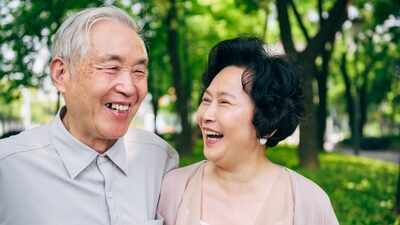
If you walk through any Chinese city around 8 pm, you will see something that’s not a common sight in most Western neighbourhoods. You will see couples, families, even children moving—not jogging, not rushing, simply walking. They are just chit-chatting with people they know as they walk. And that’s not a new routine, but a ritual people in China have held close to their hearts for decades.A Shanghai-based content creator, Leon, recently went viral on Instagram explaining this phenomenon and why it matters. He showed a video of people walking on the streets, and it is increasingly backed by Western science. This simple habit might actually be one of the most effective health practices most people aren’t doing.
Post-meal walks linked to longevity

In a video shared on Instagram, Leon said it is a common sight to see people walking in the streets at night after dinner. “Chinese people, we just can’t live without taking a walk after dinner. Around 7 or 8 pm, if you take a walk on the streets of any city in China, you will see a very unique Chinese phenomenon—the post-meal walk,” the man said.The Chinese call it ‘Xiāohuà shíwù’, which means to digest food. Though modern science has only recently recognised the benefits of post-meal walks, the Chinese have known them for centuries. “Chinese people believe that after eating, you should not sit down immediately, or you definitely shouldn’t lie down right away. You need to go out for a walk so your body can feel comfortable. This is a deeply rooted lifestyle habit,” Leon explained.After a big meal, a simple stroll helps to keep things moving smoothly. A slow walk doesn’t strain the body; it gives the digestive system the gentle nudge it needs.“There is an old Chinese saying: you walk 100 steps after a meal, and you will live to 99,” Leon said. This simple habit, passed down through generations of Chinese families, is now supported by research.A 2021 study found that walking for 10 to 15 minutes after each meal for four weeks helped people reduce gastrointestinal symptoms such as excess gas, abdominal bloating and burping.Another study published in 2011 found that walking after a meal is also linked to weight loss. The researchers found that walking at a brisk pace for 30 minutes immediately after lunch and dinner may lead to more weight loss than walking for 30 minutes beginning one hour after a meal has been consumed.Walking after meals is also linked to improved blood sugar management. A 2023 review found that walking within 30 minutes of eating is more effective at regulating blood sugar levels.
Walking is a part of the culture
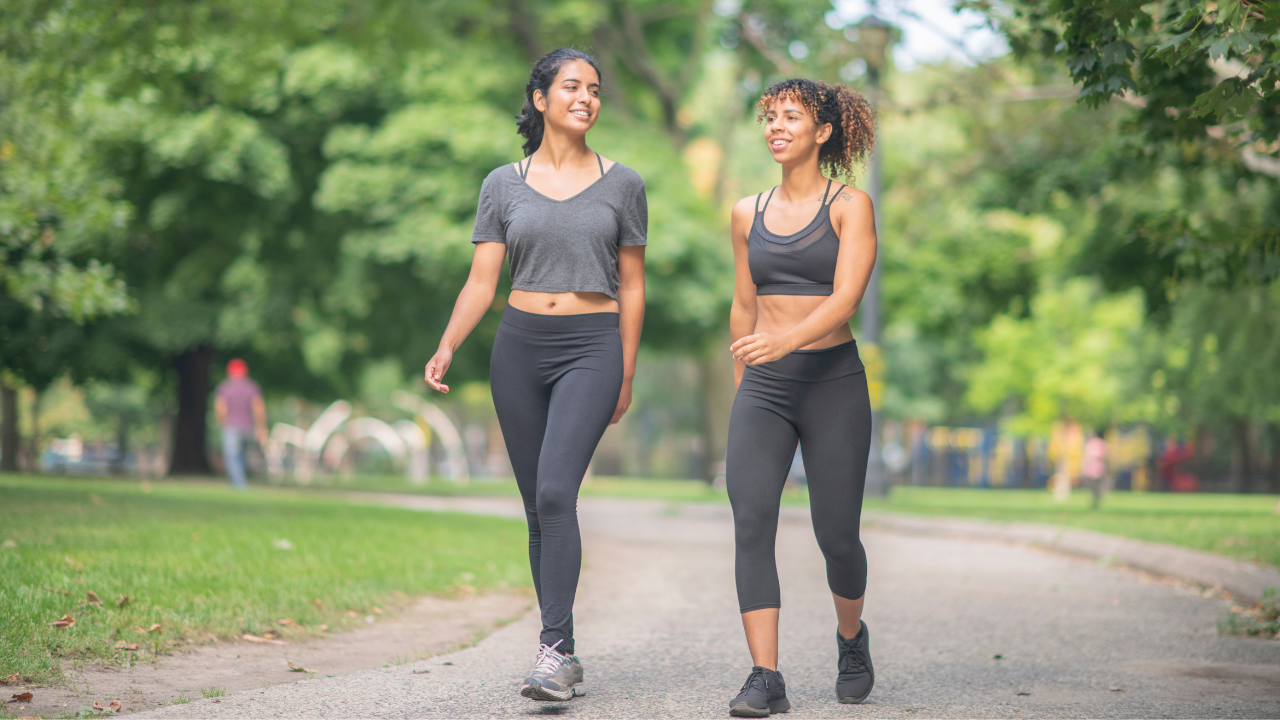
In China, this post-meal walk is part of everyday life. Beyond its health benefits, including longevity, this habit is deeply embedded in the culture.“In Chinese culture, the post-meal walk isn’t just about digestion; it’s also a form of socialisation, a way to spend time with family. Especially for elderly Chinese people, this walking habit is absolutely non-negotiable. So, for example, my parents and my wife’s parents walk at least 5,000 steps every day after dinner. And this post-meal walk happens everywhere, whether it’s a big city, a small city, or a small town. What they have in common is that walking anywhere in China is very, very safe,” the man said.Not everyone has access to a gym or time for formal exercise. But everyone has 10 minutes and a pavement. And that’s exactly what you need to live a long and healthy life. In Chinese culture, it’s a habit so ordinary it becomes invisible—which is precisely why it works.