Petrichor and peril, the monsoon paradox
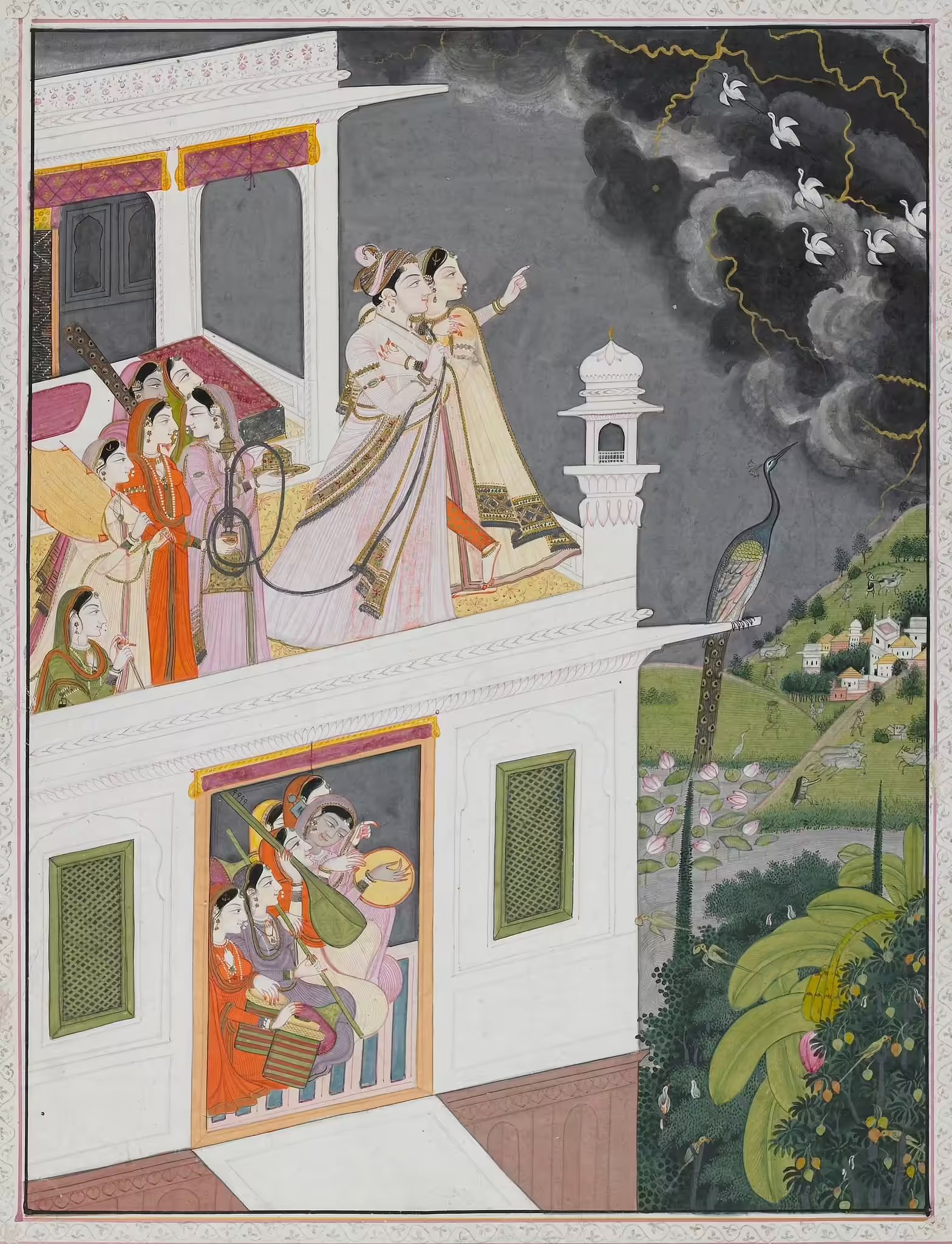
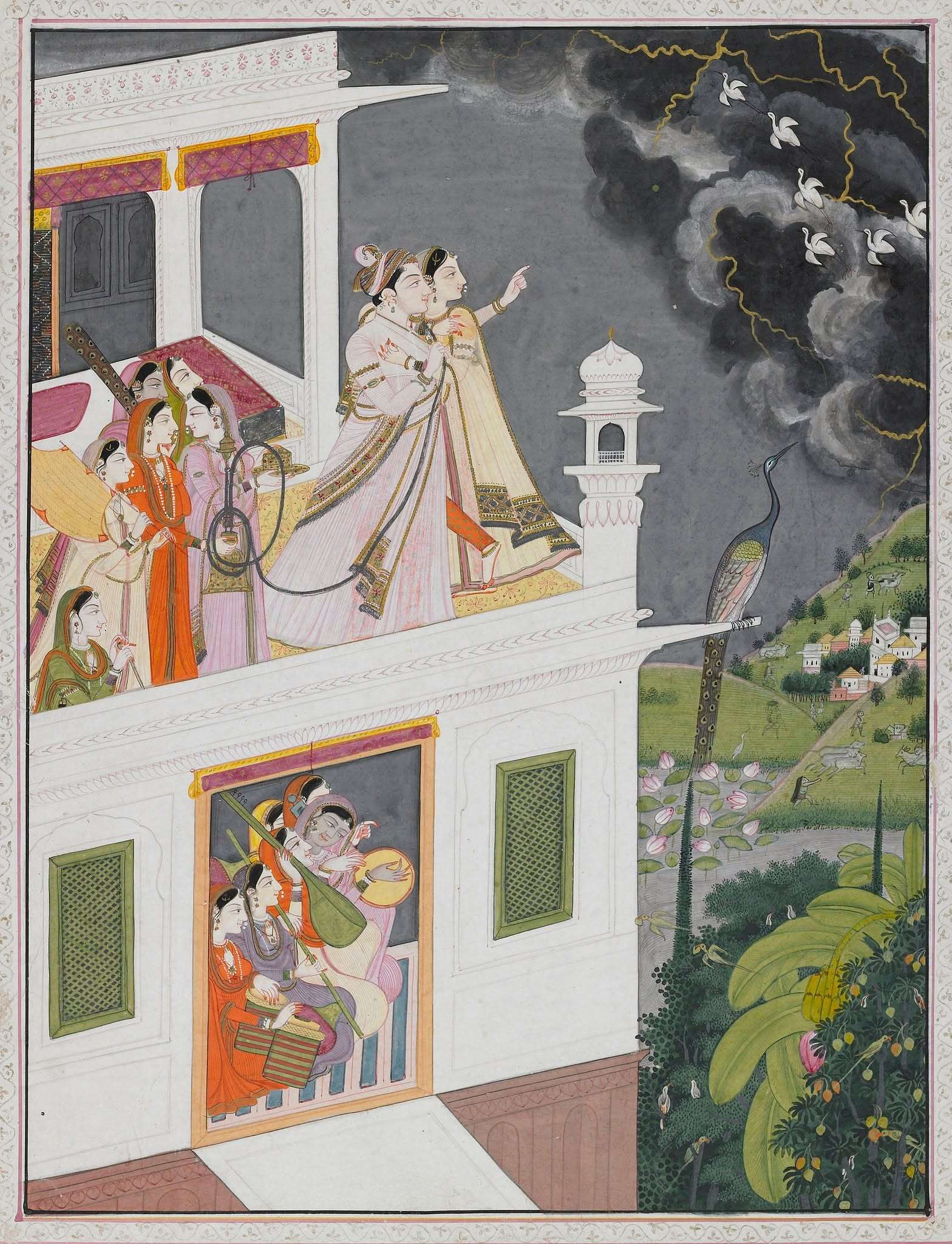
Classical poets, artists and musicians have celebrated the monsoon as a season of romance and eroticism. After the burning heat and listless, arid months of summer, gathering storm clouds become metaphors of longing and desire. Miniature paintings from centuries ago depict cumulonimbus formations of dark indigo hues, creased with serpentine flashes of lightning, while a nervous young woman takes shelter under a blossoming tree in anticipation of her lover’s delayed arrival.
Anyone who has experienced the onset of the monsoon after enduring the months of April, May and early June on the plains of India, even with the modern benefits of air-conditioning, will recognise the symbolism and emotions in the verses of an anonymous second-century Prakrit poet.
Thunderclouds in the sky,
Paths overgrown, streams in flood,
And you, innocent one, in the window
Expecting him.
Many of these poems, translated by Arvind Krishna Mehrotra in his masterful anthology, ‘The Absent Traveller’, pursue the theme of physical love and longing during the rains. The south-west monsoon itself is a wayward traveller, a migrant force of nature, but it is also a season in which human wanderers return from their journeys. Merchants come back from commercial expeditions abroad, pilgrims conclude pious ramblings and rejoin their families, mariners seek safe harbour as the seas grow rough and dangerous, while soldiers are sent home on leave from muddied battlefields.

A week ago, I was reminded of the unsettling tumult of this season while returning home from Goa to Mussoorie. The first monsoon storms were finally working their way up the Konkan Coast and moving inland toward the Himalaya. Flying from Mumbai to Dehradun through restless, shadowy clouds, the plane was buffeted by tempestuous air currents. In those anxious moments, I wanted nothing more than to be safely home in the arms of my beloved, rather than being tossed about by violent winds, 30,000 feet above the earth.
In ‘The Fragrance of Rain: A Brief History of the Monsoon’, I explore a climatic paradox. As the title suggests, the sweet, musky odour of wet earth after the first monsoon showers evokes romantic nostalgia. However, the rainy season is also fraught with dread, destruction and disease. While parts of India may be waiting impatiently for the monsoon’s late arrival, other regions are inundated by floods that destroy homes, wash away roads and claim innocent lives.
Here in the Himalayas, where I live, the monsoon brings annual threats of landslides, flashfloods and glacial lake outbursts, like the torrential disasters that decimated Kedarnath in 2013 and buried much of the town of Dharali last year. Though we wait eagerly for the rains in June, which extinguish summer wildfires in our forests and recharge dwindling streams and rivers, there is also a mood of anxiety as monsoon clouds collide with the mountains. When these rafts of airborne moisture come in contact with cooler temperatures and snow peaks, they release a deluge that causes widespread erosion, especially where the fragile slopes and valleys have been disturbed by recent construction. Last year, Mussoorie and Dehradun suffered severe damage from mudslides and washouts caused by a sudden cloudburst in mid-September. Bridges were swept away, embankments caved in, and piles of debris blocked the roads, cutting off my hometown for almost a week and stranding thousands of tourists. This was the final, tragic act of the monsoon, which dispersed soon afterwards.
British colonials during the early 19th century used to have a gloomy saying: “Two Mossouns are the Age of Man,” referring to the short life expectancy in this season. Waterborne diseases like cholera, typhoid and dysentery proliferated during the rains, while mosquitoes and other blood-sucking insects conveyed various fevers like malaria and dengue. Long before the British arrived in India, the ancient physician Sushrutha, dubbed the father of Ayurveda, warned his patients of excessive moisture and the murky qualities of water during the monsoon, which deranged their bodily humors.
Despite these dire pronouncements and the constant dangers of the monsoon, it is a time of abundant fertility and renewal. Numerous species of plants flourish and multiply during the rains. In Mussoorie, our forests erupt with a profusion of ferns, liverworts and ground orchids. The oak trees are laden with epiphytic species that turn their branches a feathery green while the tall trunks of deodars become verdant columns and hanging gardens supporting a seemingly infinite array of monsoon flora and fungi.
Meanwhile, a multitude of insects, arachnids and other creatures emerge and breed during the rains, including cicadas, moths and beetles, as well as scorpions and spiders. Frogs, toads, snakes and leeches also put in an appearance. While many people may view these creeping and crawling species as an unwelcome presence or even a threat, they are as much a part of the monsoon as the clouds and mist that drift across the landscape. The biodiversity of this season often overwhelms manmade structures, cladding brick walls with layers of moss and other bryophytes, coating concrete with algae, or filling cupboards with mildew and mold.
We often forget that our lyrical and erotic metaphors, as well as our darkest premonitions and fears — the essential paradox of the monsoon — both have their source in the fecundity of nature as well as its constant struggle for survival. Like so many other species, our life story depends on the rain, despite the risks and dangers it imposes.
Disclaimer
Views expressed above are the author’s own.