Modi’s Australia visit takes the India–Australia partnership to the next level
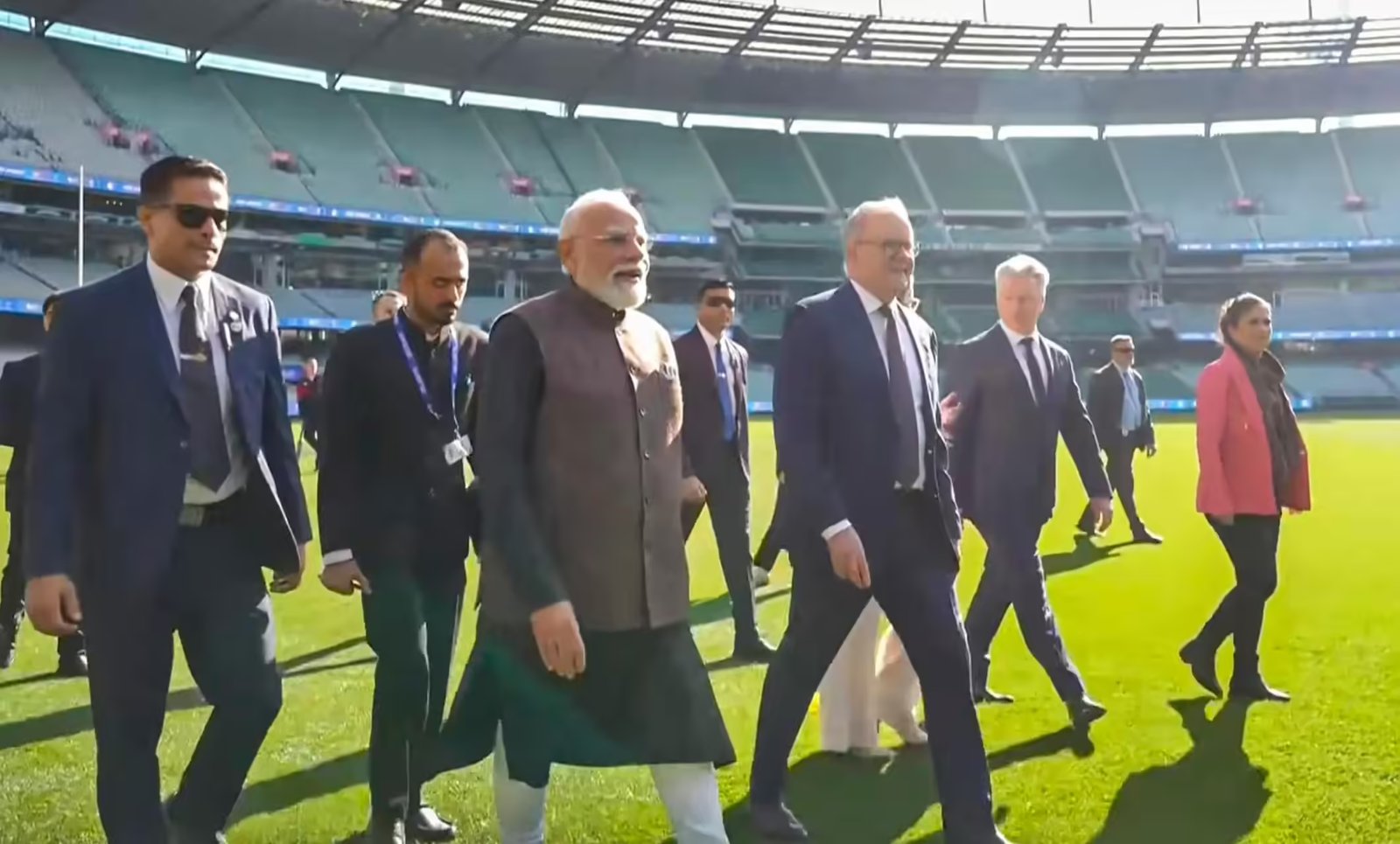
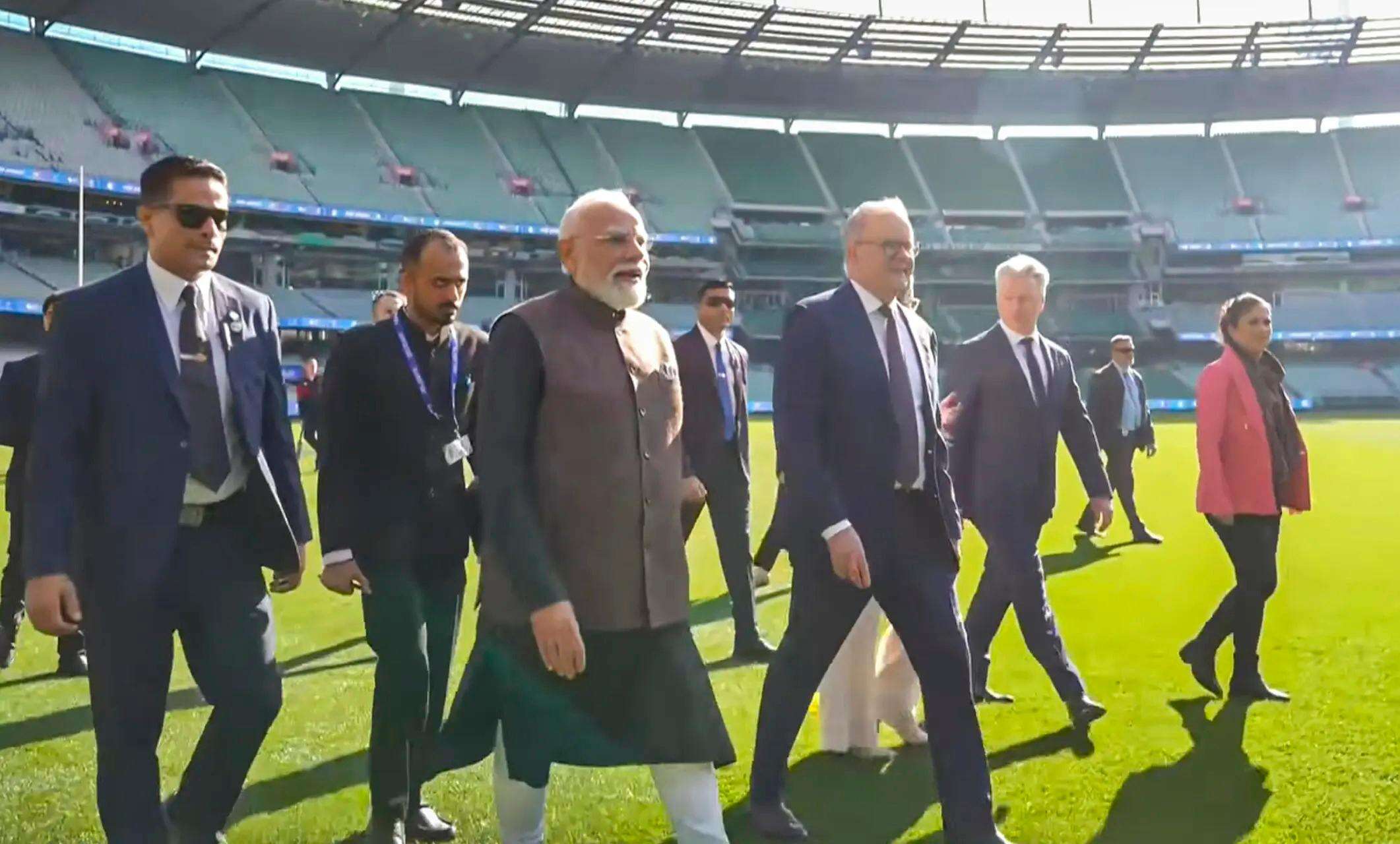

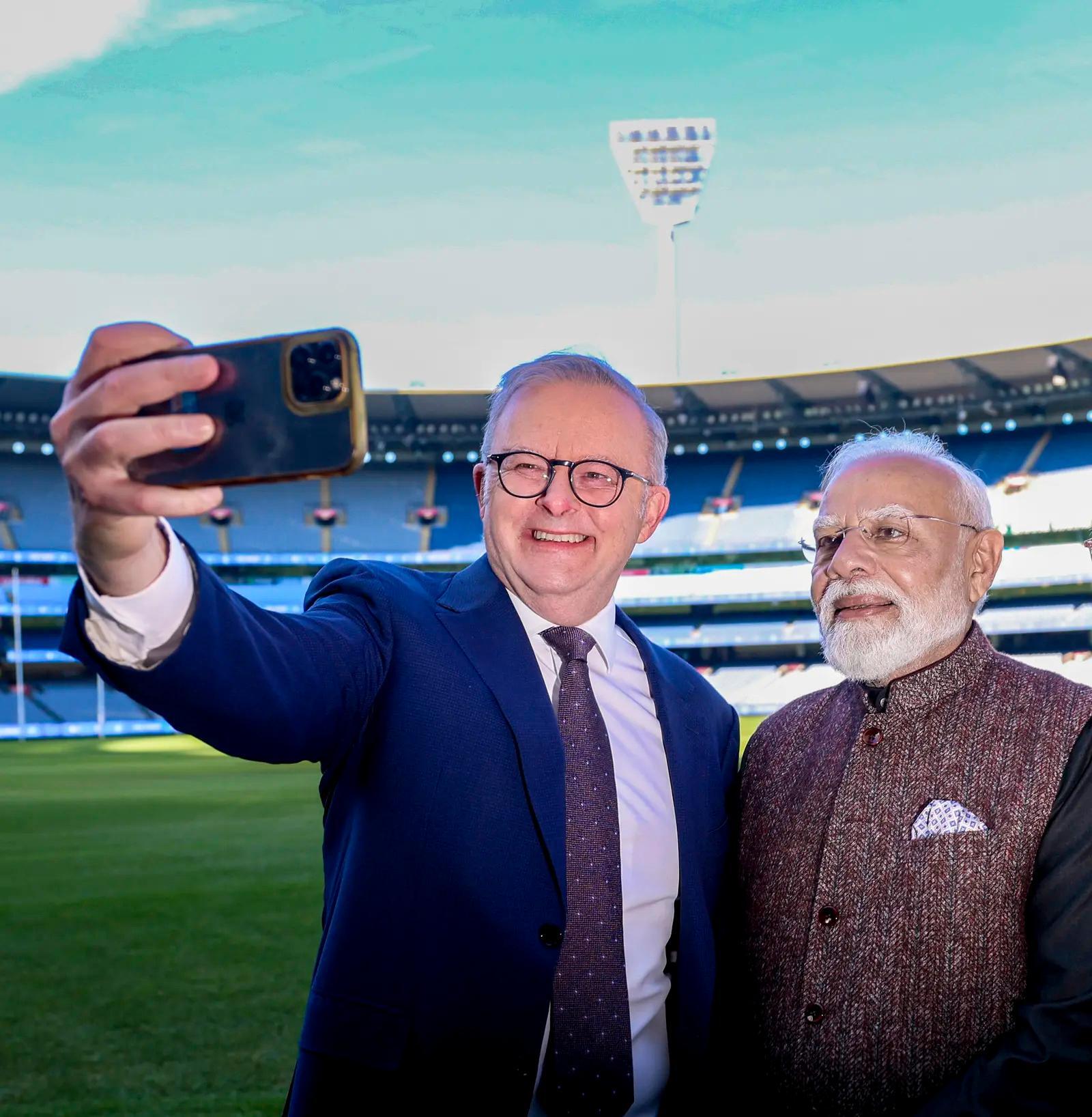
Prime Minister Narendra Modi’s most recent trip to Australia unfolded amid scenes of unmistakable excitement. At Melbourne’s Marvel Stadium, where thousands from the Indian diaspora gathered, the mood felt closer to a major concert than a diplomatic engagement. The scale of the welcome reflected the extraordinary reception Modi has enjoyed in Australia ever since his first bilateral visit in 2014, when he became the first Indian Prime Minister in almost thirty years to speak before the Australian Parliament. More than ten years later, on his third visit to the country, the public spectacle was even larger—but the deeper significance of the trip lay beyond the applause. It showed that the India–Australia relationship has moved into a new stage, one in which practical delivery, implementation and strategic results matter more than symbolism.
The evolution of ties between India and Australia over the last decade has been striking. For much of the post-Cold War era, the relationship was polite but limited in ambition. There was goodwill, but not much strategic substance. That has changed. Today, the two countries regard each other as trusted partners within a Comprehensive Strategic Partnership, work closely together through the Quad, carry out increasingly advanced military exercises, and share a common commitment to a free, open and inclusive Indo-Pacific. This visit made clear that the relationship has now advanced well beyond statements of intent and is increasingly focused on concrete cooperation in security, energy, technology and investment.
The most important announcement was Australia’s move to begin uranium exports for India’s civilian nuclear programme. Although the civil nuclear agreement was concluded in 2014, progress on implementation had been delayed for years. This development resolves one of the final major outstanding issues in the bilateral relationship. For India, Australian uranium is not simply a source of fuel for existing reactors; it is a critical enabler of New Delhi’s plan to raise nuclear power capacity to 100 GW by 2047 as part of its clean-energy transition. With some of the world’s largest uranium reserves, Australia is well placed to serve as a dependable long-term supplier for India’s expanding energy needs.
The timing of this agreement matters just as much as the agreement itself. India’s rapid digital expansion, the rise of artificial intelligence and the development of large-scale data centres will all demand vast amounts of reliable electricity. Renewable energy will remain essential, but stable baseload power from civilian nuclear energy will become increasingly important. In that sense, Australian uranium supports not only India’s energy security but also its broader technological ambitions. The connection between energy security, AI capacity and economic competitiveness gives this deal strategic weight for both sides.
Alongside uranium, both governments acknowledged the need to inject new energy into the economic relationship. Trade between the two countries has expanded significantly in recent years, helped by the Australia–India Economic Cooperation and Trade Agreement ECTA. Even so, the scope for growth remains much larger. Investment, supply-chain resilience, critical minerals, advanced manufacturing and digital technologies are now emerging as the next major areas of cooperation. Australia’s capital, technical expertise and rich natural resources complement India’s scale, manufacturing goals and fast-growing consumer base. The focus on investment in India’s infrastructure and digital economy reflects this deepening alignment.

Critical minerals are especially important in this context. As the world shifts toward clean energy, electric vehicles and advanced manufacturing, the supply chains for lithium, cobalt, rare earths and other strategic minerals have become matters of national security. India and Australia both understand the dangers of depending on highly concentrated global supply chains. Australia has abundant reserves, while India is building its downstream processing and manufacturing capacity. Greater cooperation in this area would strengthen economic resilience and reduce strategic exposure across the Indo-Pacific.
Defence and maritime security were also central to the visit. India and Australia now cooperate at a level that would have been hard to imagine ten years ago. Their military exercises have become broader and more sophisticated, naval cooperation has deepened, information-sharing arrangements are more institutionalised, and both countries increasingly coordinate through the Quad with the United States and Japan. Their shared interest in maintaining a stable balance of power in the Indo-Pacific reflects common concerns about regional security, international law, freedom of navigation and resilient supply chains. The new defence understandings announced during the visit strengthen this direction further.
The technological dimension of the partnership is becoming equally significant. Cooperation in cyber security, emerging technologies, quantum computing, artificial intelligence, space, clean hydrogen and innovation ecosystems has expanded steadily. The future competitiveness of both economies will depend increasingly on trusted technology partnerships. Australia’s research strengths and India’s fast-growing innovation ecosystem together create opportunities that go far beyond conventional trade.
Education remains one of the strongest foundations of the bilateral relationship. Every year, thousands of Indian students enrol in Australian universities, making education one of Australia’s most successful exports while also contributing to India’s human capital development. University partnerships, greater mobility for students and professionals, and mutual recognition of qualifications are gradually building a durable ecosystem of cooperation. Unlike many strategic partnerships that rely only on government-to-government ties, India and Australia now have academic, commercial and institutional networks that can sustain momentum regardless of political change.
Any assessment of the relationship would be incomplete without recognising the role of the Indian diaspora. With a population of more than one million, the Indian community has become one of Australia’s most vibrant and influential migrant groups. Its contribution goes far beyond economics. It has helped deepen educational links, expand business connections, enrich Australia’s multicultural identity and act as a vital bridge between the two democracies. The extraordinary turnout for Prime Minister Modi in Melbourne reflected not only his personal appeal but also the confidence and maturity of the Indian-Australian community itself.
What sets this visit apart from earlier ones is that it reflects a relationship that has now matured strategically. The first phase of India–Australia engagement was about rebuilding trust after years of hesitation. The second phase institutionalised cooperation through the Comprehensive Strategic Partnership, the Quad and economic agreements. The third phase, which this visit appears to have launched, is centred on implementation. The challenge now is to turn agreements into uranium shipments, larger investment flows, stronger supply chains, defence-industrial cooperation, technology partnerships and deeper people-to-people ties.
The broader international environment makes this shift even more important. The Indo-Pacific is facing sharper strategic competition, disruptions in supply chains and growing technological rivalry. Middle powers such as India and Australia cannot afford to be complacent. Their partnership matters not only for bilateral prosperity but also for regional stability. Together, they support an Indo-Pacific that is open, rules-based and economically resilient.
The cheers in Melbourne will eventually fade, as all political spectacles do. What will remain are the tangible outcomes produced by this visit. If 2014 represented the political rediscovery of each other, and the years that followed built strategic trust, then Modi’s latest trip to Australia should be remembered as the moment the relationship entered its decade of delivery.
For India and Australia, the question is no longer whether the partnership matters. That has already been established. The real task now is to turn strategic convergence into measurable results. By that standard, Modi’s Australia visit has lifted one of India’s most important Indo-Pacific partnerships to a new level—one where ambition is backed by action, and vision is matched by implementation.
Disclaimer
Views expressed above are the author’s own.