MDR on UPI transactions over Rs 2,000 deferred; to come into effect post Diwali

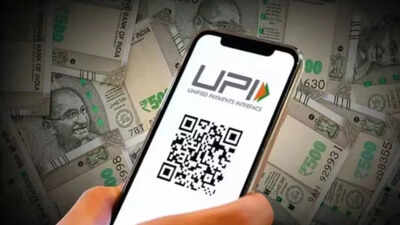
NEW DELHI: The government on Tuesday deferred the rollout of a 0.4% Merchant Discount Rate (MDR) on Unified Payments Interface (UPI) transactions exceeding Rs 2,000. The National Payments Corporation of India (NPCI) has said that the charge would come into effect after Diwali, though the revised implementation date has yet to be announced. Earlier deadline for the MDR implementation was October 15.The NPCI, in a statement said, “UPI and Services Steering Committee today decided that, keeping in mind the festive season, Merchant Discount Rate (MDR) on select Person-toMerchant (P2M) UPI transactions, shall be implemented immediately post Diwali at a date to be notified separately.”This year, the festival will fall on November 8, Sunday. The original plan allowed merchants to be charged MDR on person-to-merchant transactions exceeding Rs 2,000, while person-to-person payments were to remain free. The proposed change had already raised the possibility of a delay.Earlier reports, citing a regulatory official and an industry executive familiar with the matter, suggested that the government was considering postponing the rollout by a few months, potentially until January 2027.The timing of the original October 15 deadline was significant because the festive season, which runs from October to December, typically brings a substantial rise in consumer spending. A delay was expected to help prevent disruption to retail payments during this period and give payments companies more time to prepare their systems.The fee had also been viewed by investors as a potential source of revenue for payments companies, which were expected to receive a share of the proceeds. MDR is a fee merchants pay for accepting digital payments. Usually calculated as a percentage of the transaction value, it is deducted by the bank before the remaining amount is credited to the merchant.NPCI is the umbrella entity responsible for operating retail payment and settlement systems in India. It was established by the Reserve Bank of India (RBI) and the Indian Banks’ Association (IBA).