Israel in the early 1900s planted millions of pine trees to green barren hills, but ecologists later found many native Mediterranean habitats had disappeared beneath them | World News
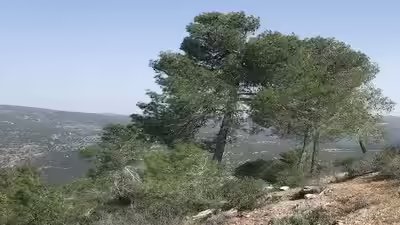
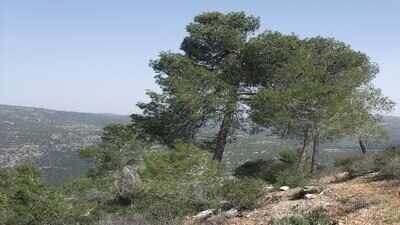
In thinking about the thick forests that dot the hills around Jerusalem or traversing the rolling green hills of Galilee, we tend to envision the success story of an environmentally conscious effort. This involves dark green trees providing shade over the ground, pine needles covering the soil, and imagining a blossoming landscape brought back from its past neglect. It was the popular belief that planting more forests in open spaces, be they dry or rocky formations, was a gift to the environment and the animals living in them.But a closer look beneath the thick, uniform pine canopies introduces a completely different narrative of intense ecological displacement and lost biodiversity. Over the last century, massive tree-planting campaigns fundamentally reshaped the open Mediterranean scrublands, grasslands, and semi-arid plains that originally defined the region. Instead of upgrading the natural world, these human-made plantations may have replaced ecosystems that were already home to a diverse array of specialised plants and animals. What looks like a healthy wilderness from a distance can function as an artificial blanket that suppresses native flora and reduces habitat for sun-loving regional wildlife.Such evolving environmental awareness became apparent in a study published by the Society for the Protection of Nature in Israel. The work, by leading Israeli ecologist Alon Rothschild together with other renowned Israeli ecologists and field researchers, reviewed decades’ worth of ecology studies to assess the effect of such historically practised reforestation techniques. Such findings on the effect on delicate ecosystems provide a compelling case that the efforts at greening the landscape in the past have caused immense and unintentional damage to the most delicate and biodiverse open ecosystems of the area.Cost of an artificial canopyUnderstanding why such a legacy of tree planting has become a matter of major concern for modern-day ecologists requires looking into what made the habitats vulnerable to such reforestation programs. Before the mass man-made forestation program, the local area was made up of open shrubland, dynamic grasslands and delicate loess plains in the south of the region. Such open and sun-filled ecosystems were far from being sterile environments, supporting high levels of endemic wildflowers, rare irises, unique reptiles and nesting birds adapted to life in the open space.The study explains that planting millions of dense pine trees alters the fundamental physical conditions of these habitats. As the introduced trees grow, their interlocking branches block out the sunlight, starving the native ground-level vegetation that relies on direct sun exposure. Furthermore, the thick, acidic layer of dropped pine needles can prevent native seeds from sprouting, while the plantations’ root systems absorb scarce water, drying out nearby springs and leaving the ground hostile to native flora.Data obtained throughout the country indicates that the process leads to a quick and imbalanced loss of local biodiversity. The specialised creatures of open terrain, including scarce desert lizards, exotic beetles, and predatory birds native to local areas who hunt on the open fields, could suffer rapid losses if a forest appears in their habitat. In its stead will come a few adaptable, generalist animals, like crows and jackals, which thrive in altered environments, thus creating a green-looking area where biological diversity is lacking.Much of this pine cover traces back to the Aleppo pine, a species first planted extensively in the region in the 1920s by the British Mandate Forestry Service, and one that came to make up roughly half of all trees planted by the Jewish National Fund by the 1980s. According to National Geographic, the Society for the Protection of Nature in Israel has directly opposed further tree planting in the country’s naturally unforested grasslands and shrublands, citing damage to native species. Some researchers add a further twist: in bright, sun-reflective terrain, these dense forests can even have a net warming effect, undercutting the very climate rationale often used to justify planting them.
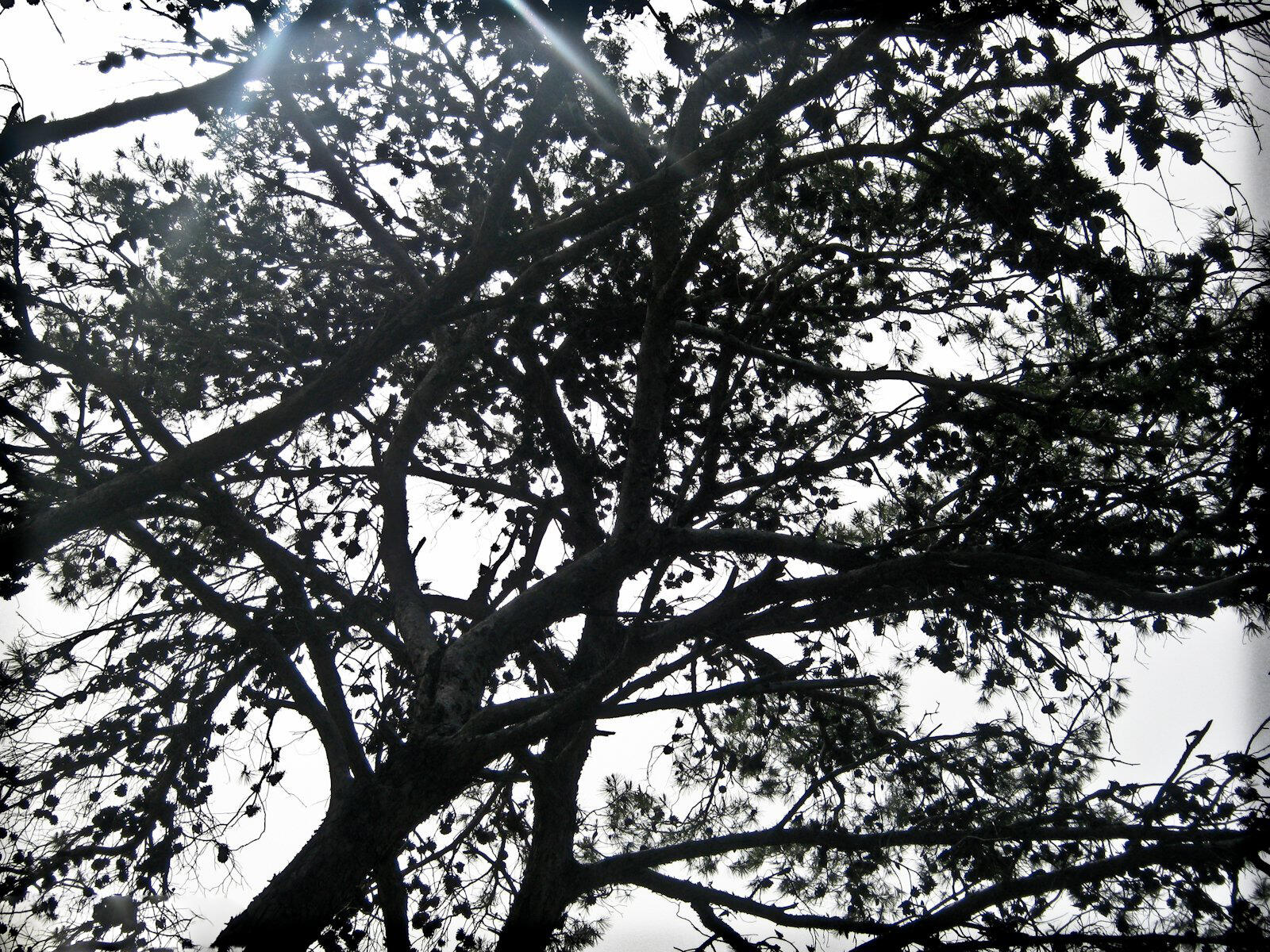
Studies reveal that dense pine forests have displaced native scrublands and grasslands, leading to a drastic loss of biodiversity. Ecologists now advocate for conserving existing open ecosystems rather than introducing new forests, highlighting the unintended consequences of well-intentioned greening efforts. Image Credit: Wikimedia Commons
Improvement of the landscape vs. conservationFrom a practical point of view, one could obtain useful information for future conservation efforts thanks to such research on the environmental impact of artificial forestation. By indicating the fact that artificial forests actively destroy delicate ecosystems that exist without a forest cover, the research indicates that tree planting could become an ecological threat, rather than the solution, in the improper environment. Ecological value does not rely only on the number of planted trees, but also on the historical, balanced ecosystems, which have their value as well.According to the strategic recommendations outlined in the study, modern land management must undergo a fundamental shift from trying to improve the landscape to actively conserving its natural state. Protecting the remaining open grasslands, rocky hillsides, and desert borders requires an immediate halt to tree-planting activities in sensitive, non-forested zones. Instead, the study recommends focusing conservation funding on removing invasive wild pine seedlings and restoring grazing patterns where appropriate.The process of studying the transformations of the landscapes in this region reveals the link between the intentions of humans and the laws of nature. As the experiment demonstrates, millions of planted trees might lead to the disappearance of the biological diversity which was supposed to be restored. The understanding that sunny hillsides are ecosystems helps us understand the importance of the preservation of natural diversity in general.