India’s delimitation battles are costing its poorest voters
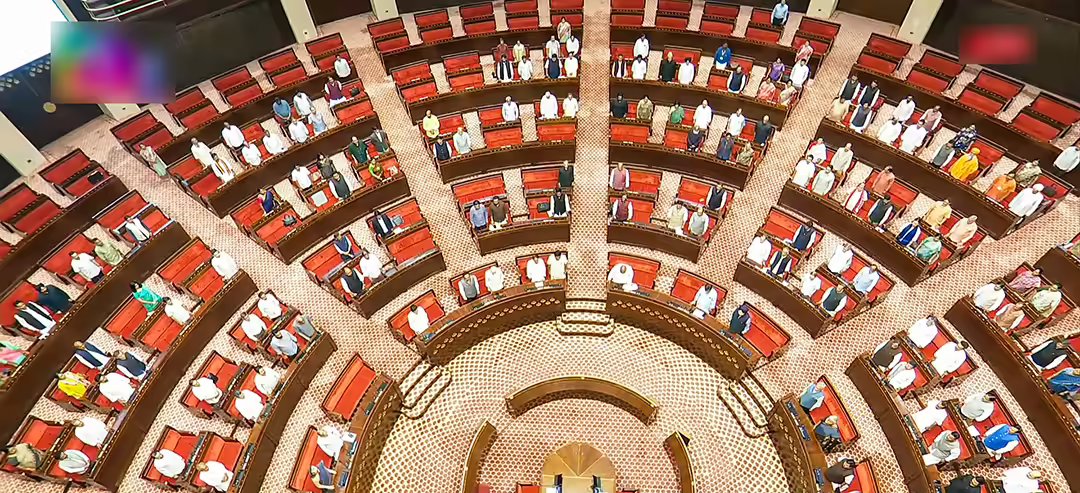
With Lok Sabha seats frozen to 1971 Census numbers, India has moved far from the principle of one person, one vote. Today, an MP in Bihar represents 3.1 million people, a Kerala MP only 1.75 million. The same vote cast in Bihar carries less weight than in Kerala. What are the consequences of moving away from the principle?
Fertility does not fall because of family planning programmes. It falls with increases in income and female education, and with decreases in infant, child and maternal mortality rates. These long-run development outcomes happened earlier in the richer southern and western states. Poorer regions and states saw fertility fall later. As a result, the poor are underrepresented in Parliament, because poorer Indians disproportionately live in states that are developing more slowly.
Scheduled Castes and Scheduled Tribes were also poorer for longer, with higher fertility rates that fell later than other groups. ST fertility rates dropped even later relative to SCs. Article 330 reserves seats for SCs and STs by their share of population in each state, and the 2008 delimitation order and constitutional amendments narrowed the gap. Now, SC and ST representation is estimated at four seats short of their proportion across all states.

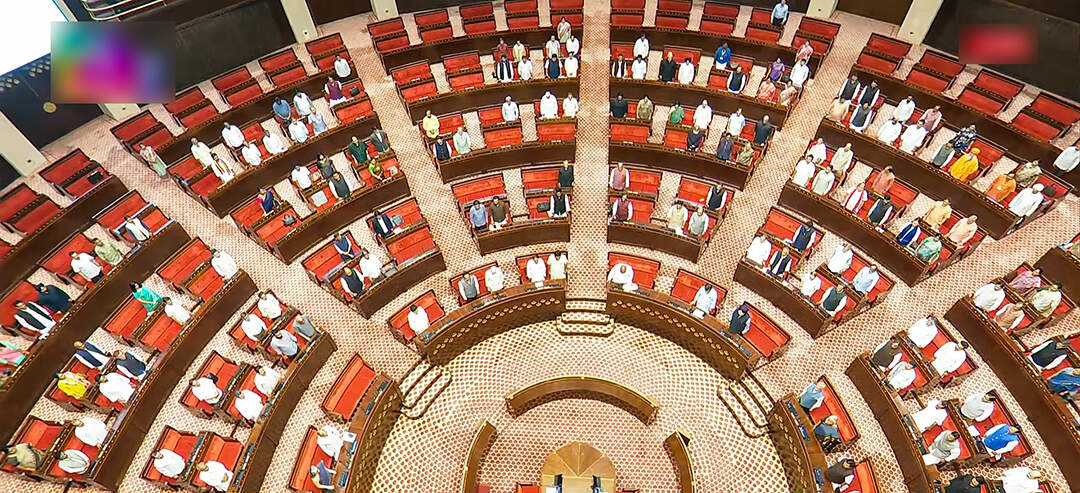
The youth are similarly concentrated in malapportioned states. Regions where fertility fell later naturally have a larger youth share and the largest constituencies.
As a group, on average, Muslims are poorer than Hindus, and fertility rates for Muslims fell later than fertility rates for Hindus. So, younger Muslims are more likely to live in malapportioned states. But the Hindu population is five to six times the population of Muslims, so in absolute terms, more Hindus are underrepresented in every malapportioned state. The Muslim-specific underrepresentation is real but must be contextualised in proportion to their population share.
How did India get here? This political bargain freezing Lok Sabha seats survived half a century because of India’s fiscal centralisation and its uneven economic growth. The Union devolves only 41% of tax revenue to the states. Richer southern states contribute more tax revenue than they receive, and the poorer northern states receive more than they contribute. And richer states continue to grow faster than poorer ones, so the economic gap is widening.
The Lok Sabha is the body that decides how the fiscal pie is cut since money bills can bypass Rajya Sabha. Southern states already contribute more to that pie than they take out, and accepting population-based reapportionment in Parliament would mean losing political voice over how their own revenues get redistributed. This is why India’s most developed states are fighting against the return to the principle of one person, one vote.
The poorer, mostly northern states accepted the other side of the bargain for five decades. They lose seats relative to their population, but the revenue transfers cushioned the loss. Yet the groups bearing this cost within these states —the poor, the young, the Muslims, the SCs and STs whose fertility fell last — are not represented in campaigns against the freeze. Politicians in the north have been content with the revenue-for-representation trade-off.
Apportioning seats strictly to current population numbers, once we have a Census, without other changes, shifts political power northward, while fiscal centralisation keeps economic power in Delhi. Southern states lose both political power and, as a consequence, their share of revenue. The freeze is not a flaw in the system. It is the system.
Any durable solution that returns to equally apportioned constituencies across all states has to work on three fronts.
The first is fiscal federalism. States should keep more of the revenue they raise, while shrinking the central pool. The constraint is that states have diverged in economic growth since liberalisation, so poorer states cannot easily increase their own revenue.
The second is reimagining Rajya Sabha as a genuine council of states, with real power over money bills and real domicile requirements for its members. This requires amending Article 109, which lets money bills pass the Lok Sabha alone, and the Representation of People’s Act to tie members to their states. How states are weighted in Rajya Sabha could be another possibility, with each state getting the same number of seats irrespective of population.
The third is portability of welfare entitlements. The agrarian poor, trapped in rural areas, lose their agricultural subsidies at the state border. Redesigning subsidies that make benefits more portable will help those in poorer states, especially once greater fiscal decentralisation raises migration pull from productive states.
The alternative is that India either betrays the constitutional commitment to one person, one vote or breaks the current fiscal bargain benefiting the poorer states. Both cannot survive untouched.
Disclaimer
Views expressed above are the author’s own.
END OF ARTICLE