
In 2016, Elon Musk launched a product using homes from the sets of Desperate Housewives; 10 years later it is dead, with company telling …
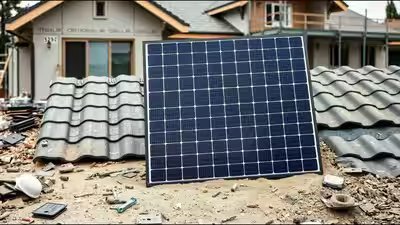
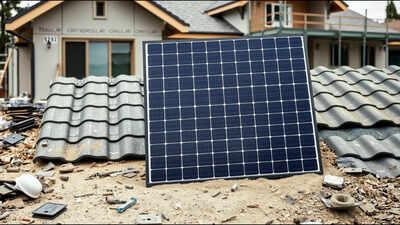
Tesla has pulled the plug on its ambitious Solar Roof line, ending years of production hurdles, customer disputes, and missed rollout targets. First reported by Electrek, the company has notified its network of certified third-party installers that it will no longer supply the integrated solar tiles, shifting its residential energy focus strictly to traditional solar panels, according to people familiar with the matter. For those unaware, the Tesla solar roof was essentially a mini-power plant that happened to look like fancy terra-cotta tiles, or refined slate slabs.Inside the company, leadership ultimately concluded the product was no longer financially viable. The quiet wind-down is already visible on consumer-facing platforms. Tesla’s dedicated Solar Roof landing page now automatically reroutes visitors to its standard panel portal, and references to the product have been stripped from the primary navigation bar on its energy website, leaving only solar panels, Powerwall, and Megapack offerings.
Quite end to an ambitious Tesla product
The decision brings a quiet end to a marquee product that originally served as the centerpiece of Tesla’s controversial $2.6 billion buyout of SolarCity in 2016. Tesla CEO Elon Musk first showcased the sleek, photovoltaic-embedded glass shingles on a Hollywood backlot. Elon Musk unveiled it in October 2016 on a Hollywood back lot, using homes from the set of Desperate Housewives fitted with the tiles, just weeks before shareholders approved the acquisition. The demo helped convince skeptical investors to absorb the debt-heavy installer, though it later surfaced during shareholder litigation that the demonstration tiles were non-functional prototypes.From the start, the Solar Roof struggled to reconcile Musk’s bold promises with the gritty realities of roofing physics and supply chain economics. Early marketing claimed the system would undercut the cost of a traditional roof combined with standard panels, with early estimates hovering near $22 per square foot. Instead, complex installations and soaring labor costs drove prices drastically higher. A 2021 wave of retroactive price hikes on existing contracts spurred a class-action lawsuit, which Tesla settled for $6 million after some buyers saw their quotes double overnight.Production volume also never matched the rhetoric. Musk once projected Tesla would manufacture and install 1,000 roofs per week by 2020. In practice, installations barely averaged 30 systems a week at their peak. Industry estimates by Wood Mackenzie placed total nationwide deployments at around 3,000 units over seven years—missing Musk’s target by more than 95 percent.After phasing out deployment metrics from financial filings earlier this year, Tesla’s pivot back to conventional rooftop panels and residential battery storage is now complete. And as a report in TechCrunch dwells that Tesla’s decision could deal a blow to the idea of a solar roof because if one of the world’s most valuable companies can’t make it work, who possible can?