In 1994, Alabama sank 100 retired M60 battle tanks in the Gulf, giving obsolete military machines a 50-year second life as fish reefs | World News
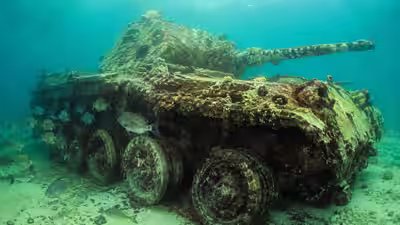
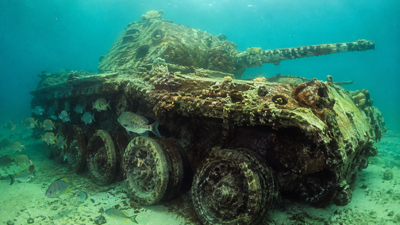
Somewhere between 70 and 110 feet under the Gulf of Mexico, off the coast of Alabama, a hundred M60 battle tanks sit quietly on the seafloor. They once rolled through Cold War training exercises. Now they are covered in barnacles and circled by snapper. According to Outdoor Alabama, the official reef program page run by the Alabama Department of Conservation and Natural Resources, the U.S. military determined in 1993 that immersing obsolete battle tanks in seawater was an acceptable method of demilitarising them, an idea that led directly to the creation of the Reef-Ex program.From battlefield to seafloor: the birth of Reef-ExThe program was called Reef-Ex, short for “reef experiment.” The plan was simple on paper. Take tanks the Army no longer needed, strip out anything harmful, and lower them into the Gulf instead of scrapping them on land. Outdoor Alabama notes that the first six tanks were inspected and cleared by the Environmental Protection Agency, the Army Corps of Engineers, the Coast Guard, the Alabama Department of Environmental Management, and the state’s Marine Resources Division on May 19, 1994. The tanks then began their journey to Mobile on May 26 and were deployed on June 1, 1994. A second, larger batch of 58 tanks went through the same inspection process on June 27, 1994, before being deployed in late July, and a final 36 tanks followed in September 1994, completing the 100-tank total. That test run went well enough to clear the way for a much bigger deployment.By the end of 1994, 100 M60 tanks had been placed in the Hugh Swingle and Don Kelley North reef zones, according to the Alabama Gulf Coast Reef and Restoration Foundation. State officials put the conservative estimate for how long the tanks would hold up as reef structures at 50 years. Steel does not dissolve overnight, and more than three decades later, most of those tanks are still down there serving as reef habitat.
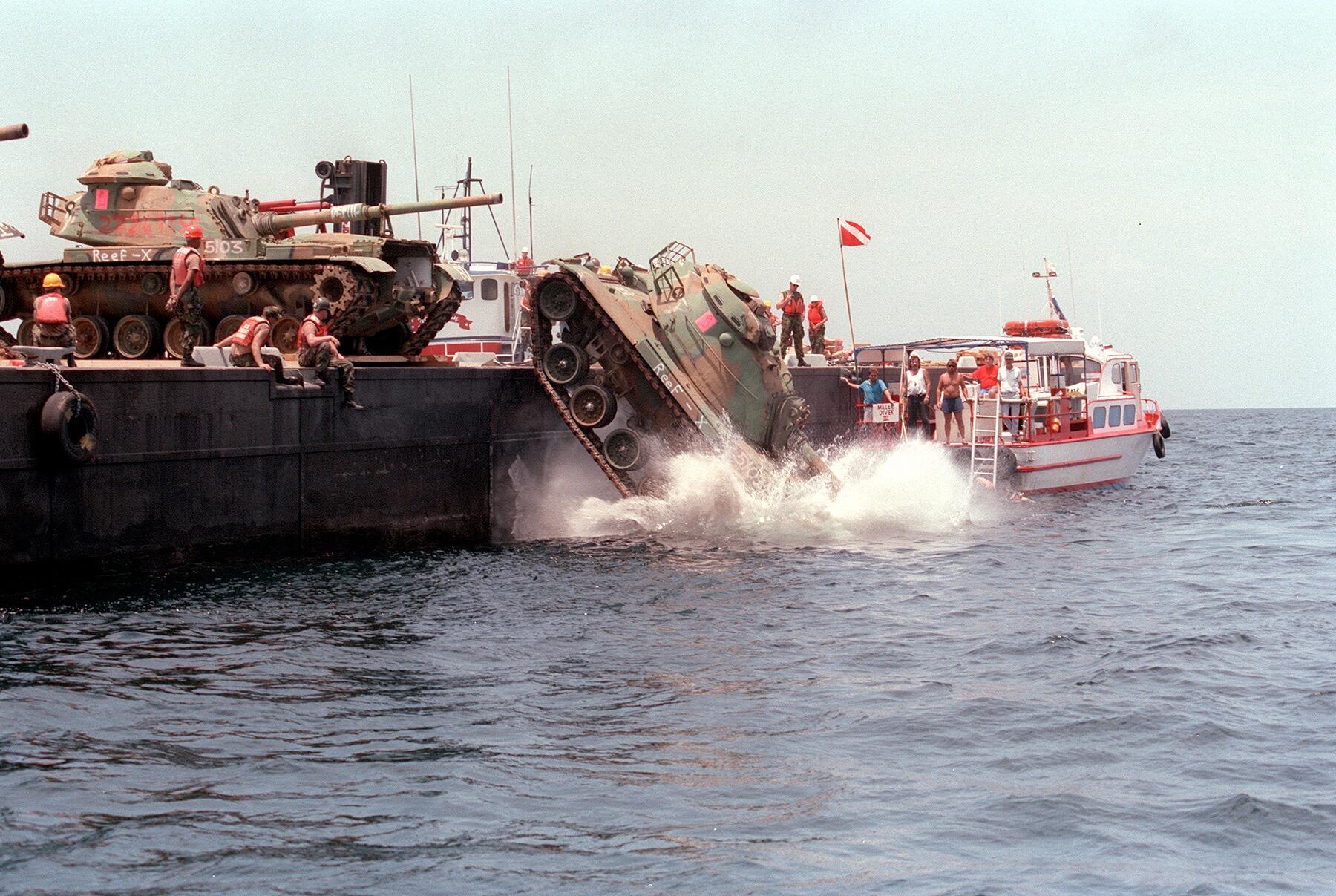
Crews lower a decommissioned M60 tank into the Gulf of Mexico as part of Alabama’s Reef-Ex program in 1994. Image Credits: Wikimedia Commons
Alabama had been building artificial reefs since 1953, when the Orange Beach Charter Fishing Association got permission to sink 250 car bodies off Baldwin County. Sunken Liberty ships followed in 1974, and by 1987, federal permits had opened up nearly 800 square miles of Gulf floor for reef building. Tanks were simply the next chapter in a program that had been turning junk into habitat for decades.Why a hollow steel hull makes a surprisingly good fish houseEmpty metal shells can attract reef fish. A 2015 study published in the journal PLOS ONE, led by researchers at Texas A&M University-Corpus Christi’s Harte Research Institute, examined fish communities living on artificial structures across the northwestern Gulf of Mexico. The team surveyed more than a dozen sites using underwater robots and found that a structure’s shape and height above the seafloor helped determine which species showed up and how many.The researchers ran ROV surveys at 15 sites between 2012 and 2013, spanning 30–84 metres of water on standing platforms, Liberty ships and partially removed or toppled rigs. They found the strongest community shifts were tied less to structure type than to bottom depth, with diversity peaking around 60 metres and some of the largest red snapper appearing there on supplemental longline surveys.A tank is not flat like the sandy Gulf bottom around it. It has edges, gaps, and hollow spaces where smaller fish can hide, while larger predators patrol the outside. Over time, algae and other marine growth cover the metal, and the wreck begins to function more like a reef. Divers who visit Alabama’s tank sites often report exactly that: red snapper, grouper, and amberjack treating a decommissioned tank like home.
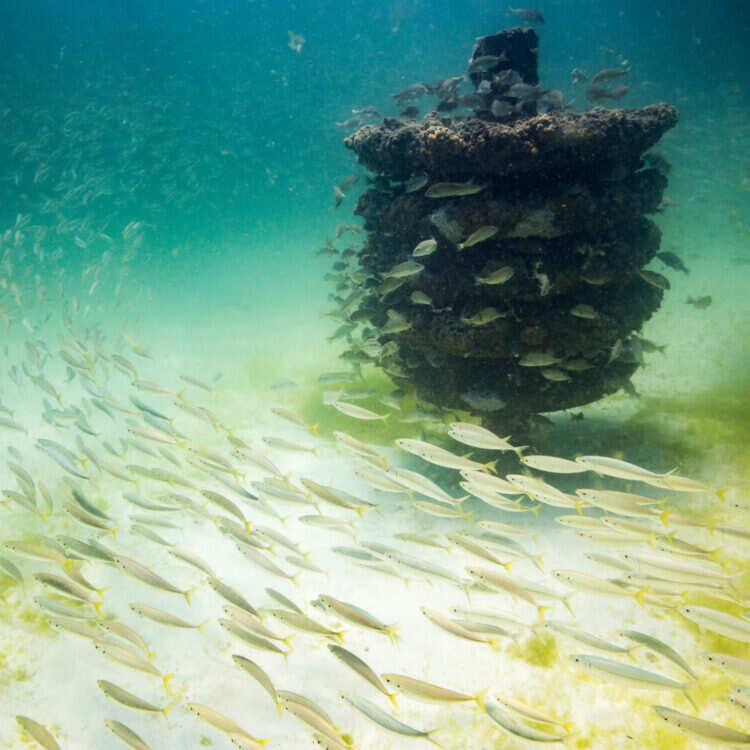
A Florida artificial reef photographed in 2017, the same kind of habitat effect seen at Alabama’s tank reef sites. Image Credits: Bernard Brzezinski, University of Florida
More than habitat: what these reefs mean for Gulf Coast townsArtificial reefs are not just good for fish. They are good for local economies too. Florida Sea Grant, a research and outreach program based at the University of Florida, reports that every $1 spent on artificial reefs in the Florida Panhandle returns roughly $138 in economic benefit over the reef’s lifespan, once fishing and diving trips are factored in. That figure builds on decades of research in the region, including a 1998 study by Florida State University economists Frederick Bell and Mark Bonn that first measured how much anglers and divers were spending around Northwest Florida’s reefs. Alabama’s tank reefs sit in the same Gulf ecosystem and tend to follow the same pattern: sink something durable, and boats full of anglers and divers will keep showing up for decades.For coastal towns like Gulf Shores and Orange Beach, that is not a small thing. Charter fishing captains, dive shops, and hotels all benefit when there is something worth seeing underwater. A sunken tank that attracts snapper can also attract tourists.What’s down there todayMore than 30 years after the first tanks went in, the Reef-Ex sites still appear on Alabama’s official reef maps, sitting alongside sunken ships and cement statues as part of the state’s much larger artificial reef network. It is a second life for a machine built for war: no longer a weapon, just habitat for grouper and sea bass.It is also a quiet example of turning something destructive into something that gives back. The tanks were not melted down or buried in a scrapyard. They needed a new purpose. Seventy to 110 feet down, in the warm, murky water of the Gulf, that is exactly what they got.