
In 1956, a 5-year-old girl fell mysteriously ill in Japan; doctors soon uncovered a devastating mercury poisoning disaster | World News

On April 21, 1956, a 5-year-old girl was brought to the Chisso Corporation factory hospital in Minamata, Japan, after developing a frightening combination of symptoms. She could barely walk, her speech had become slurred and she was suffering convulsions, leaving doctors unsure what they were dealing with. Two days later, her younger sister arrived at the same hospital with almost identical symptoms. When their mother told doctors that a neighbour’s daughter was also experiencing similar problems, physicians began visiting homes across the surrounding area to investigate. They found 8 more patients showing the same strange neurological symptoms, suggesting that whatever was happening was not an isolated illness. On May 1, the hospital reported the cases to the local public health office as an epidemic of an unknown disease affecting the central nervous system. That investigation marked the beginning of the discovery of what became known as Minamata disease, one of Japan’s worst industrial pollution disasters.
How doctors traced the mysterious illness to Minamata Bay
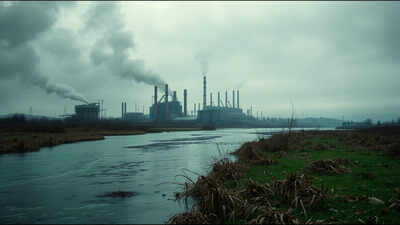
According to the United Nations Environment Programme, the number of affected residents grew rapidly as doctors began investigating the mysterious illness. Patients experienced numbness in their limbs, difficulty walking, loss of speech, convulsions and, in the most severe cases, coma and death. The strange illness was not limited to people. Cats in Minamata began suffering violent seizures, while birds were reportedly seen falling from the sky, giving rise to the local description “dancing cat disease.” On May 28, 1956, local doctors and officials established the Minamata Strange Disease Action Committee to investigate the growing outbreak. Several months later, in August 1956, Minamata health officials formally asked researchers at Kumamoto University to investigate the disease. The university team began examining patients and searching for a common cause, eventually focusing on the area’s marine environment and the fish and shellfish that formed an important part of the local diet. Their investigation ultimately pointed toward wastewater discharged by the nearby Chisso chemical factory, which had been producing acetaldehyde through a mercury-based manufacturing process.
How mercury from a factory entered the food chain
The critical contaminant was methylmercury, a highly toxic form of mercury that was generated as a byproduct of Chisso’s industrial processes. Factory wastewater carried the compound into Minamata Bay, where it accumulated in marine organisms. Fish and shellfish absorbed the mercury, and because the contaminant became increasingly concentrated as it moved through the food chain, people who regularly ate seafood from the bay received dangerous doses over time. The resulting poisoning damaged the nervous system, producing the characteristic neurological symptoms that doctors had first encountered in the factory hospital. The connection between the factory and the disease was not immediately accepted, however. Chisso continued operating while the cause was disputed, meaning contaminated wastewater continued entering the environment even as more residents became ill. The delay allowed methylmercury exposure to persist and turned what might initially have been a contained industrial accident into a long-running environmental and public health catastrophe.
Why Minamata became a global warning about industrial pollution
The tragedy eventually became much larger than the original outbreak in Minamata. A second major outbreak of methylmercury poisoning was identified in Niigata Prefecture in 1965, and the two incidents became emblematic of the consequences of uncontrolled industrial pollution. Minamata disease was ultimately recognised alongside three other major pollution-related diseases in Japan, helping drive a nationwide reckoning over the environmental and human costs of rapid industrialisation. The disaster also became an international warning about the dangers of mercury contamination, particularly its ability to move through ecosystems and accumulate in food chains. Decades later, that legacy helped inspire the Minamata Convention on Mercury, the international treaty adopted in 2013 to reduce mercury emissions and releases and protect human health and the environment. What began with one frightened family arriving at a factory hospital in April 1956 had therefore grown into a landmark environmental case whose consequences reached far beyond the Japanese town where the first patients were identified.