
In 1945, an Egyptian farmer’s shovel struck a buried jar and released a “forbidden” library lost for 1,600 years |


The Upper Egyptian landscape gives the impression that history is just below the surface, waiting to tell its story. In 1945, Muhammad Ali al-Samman set off for Jabal al-Tarif in Nag Hammadi, where he had one specific mission: to obtain sabakh – nitrate-enriched soil used as a fertiliser. While focused on his task, al-Samman had no idea that an ordinary excavation would ultimately change the course of history.He was driving the pickaxe into the ground next to a huge rock when the head of the tool struck against something solid and empty. Below the ground, there lay a large, sealed, earthenware pot, about two feet high. In this area, finding a very old pot evokes an apprehensive excitement because, according to local tradition, jinn, spirits that can be imprisoned in earthenware pots, live here. He had a fleeting moment of hesitation, wondering whether he would accidentally set off an age-old curse by opening the pot.What was discovered was not gold or spirits; rather, there were thirteen scrolls of papyrus, each in a leather binding. Known today as the Nag Hammadi Codices, the manuscripts had lain dormant beneath the soil for centuries, dating back to the fourth century. Muhammad had no way of knowing that he held in his hands what would become a library that would change the world’s understanding of early Christianity and its enigmatic Gnostic sects.The secret gospel and a lost worldNag Hammadi brought back to life a culture that had been dead for over a millennium. For a very long time, all we knew of Gnostic Christians was their portrayal as subversive heretics by their contemporaries. As stated in The Nag Hammadi Library, compiled by the members of the Coptic Gnostic Library Project, the manuscripts were most likely buried by monks at an adjacent monastery, protecting the documents against destruction by an early church decree that only certain scriptures should make it into the official canon.Inside the jar were over fifty separate texts, many of which had been completely lost to time. Perhaps the most famous among them was the Gospel of Thomas, a collection of sayings attributed to Jesus that sounds strikingly different from the stories found in the traditional Bible. As detailed in the Biblical Archaeology Society article The Nag Hammadi Codices and Gnostic Christianity, these writings reveal a world where early believers focused on personal knowledge of the divine, rather than relying on religious laws or institutional power.
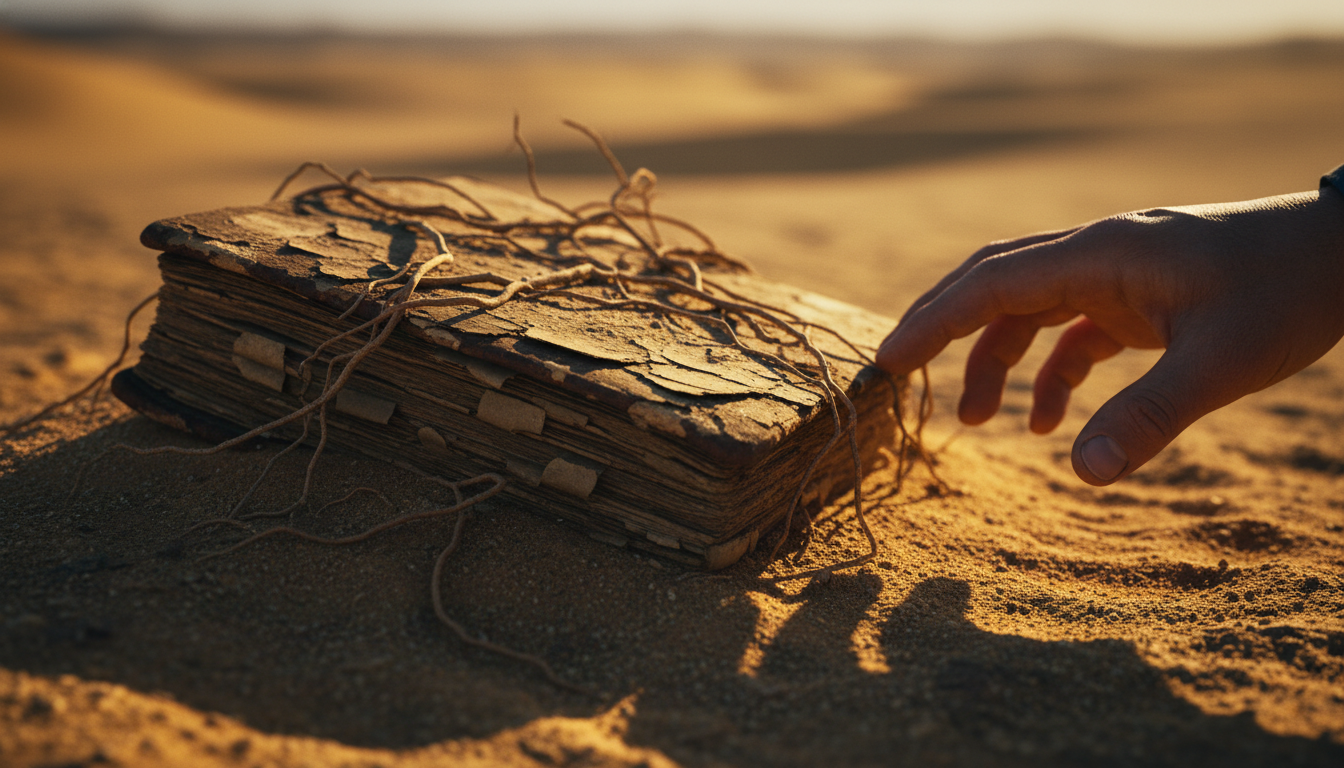
The manuscripts, miraculously preserved, shed light on forgotten beliefs and the human quest for meaning. Image Credits: Google Gemini
The preservation of these documents is nothing short of miraculous, arising from chemistry and climate. The arid air of Egypt’s desert preserved the papyrus so effectively that when it was extracted from the jar, it was so well-preserved that some of its ink was still readable. However, the journey from the cliffs to the museum was not easy. According to Muhammad’s mother, she had burned some of the documents to cook dinner. In addition, there were reports that some of the documents had been bartered away before anyone could intervene on their behalf.Why is this our valuable assetThe story of how these documents survived in the first half-century after their discovery is filled with twists and turns. Parts of the library were traded in the black market, handed off to antiquities merchants, and even hidden beneath floorboards during times of social unrest. Years of careful work by scholars both internationally and at the Coptic Museum in Cairo had gone into finding the fragments and putting the library back together.What makes this discovery so resonant today is the human element behind it. The research titled How Reliable is the Story of the Nag Hammadi Discovery? explores the messy, accidental nature of the find. It reminds us that history is often saved by individuals who are simply going about their daily lives. Muhammad Ali al-Samman was working the land when he accidentally opened a window into a time when human spirituality was incredibly diverse and full of debate.Through the Nag Hammadi library, it becomes clear that the modern period was much more complex than ever previously thought. This collection gives insight into the lives of individuals who sought purpose during a period of shifting paradigms, just like how people seek it in the current age. This collection is made up of tales of the goddess figure, the soul, and the struggle for illumination amid darkness. This collection represents an extinct lineage that nearly disappeared from the family tree.When the jar found its way out of the ground that fateful day of winter in 1945, it did not contain merely fertiliser but rather a dialogue that had been forgotten for ages, both then and now. Currently, this collection rests in the Coptic Museum, where scholars continue to explore further meanings through the ancient texts. As one tills the land for a garden to grow, one can discover the origins of one’s civilisation.