
In 1926, Gertrude Ederle became the first woman to swim the English Channel and beat the men’s record by two hours
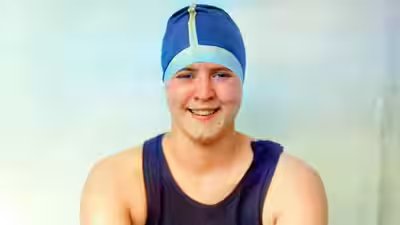
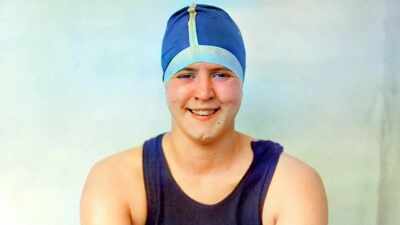
Sometimes history is not made by people who are ordained for greatness; sometimes, it’s written by someone who simply decides not to give up!On August 6, 1926, Gertrude “Trudy” Ederle did the same: just 19 years old and already an Olympic swimming champion, she threw herself into the freezing Channel waters off France. Her goal was bold: beat more than 20 miles’ worth of unpredictable waves, cold currents, and stinging jellyfish to make it to England as the first woman to swim the English Channel. Five men had done it before, but every woman attempting the feat had failed. Ederle herself had already been stopped once, pulled out by her coach despite her protests. This second time, she was determined to finish. After more than 14 hours of relentless effort, she not only made it — she crushed the men’s record by nearly two hours.
Gertrude Ederle : Who was this remarkable swimmer?
Per History, Ederle was born to German immigrants and grew up in New York. She learned to swim at the local public pool and the New Jersey beach, and dropped out of school when she was a teenager to swim competitively. Then, she joined the Women’s Swimming Association and won her first local competition award at age 16. Two years later, she made it to the 1924 Olympics when she was still a teenager.By the time she was 19, she had one gold and two bronze medals from the 1924 Paris Olympics and several world records in freestyle. But her ambitions stretched farther: she wanted to tackle the English Channel, an endurance test considered one of the hardest feats in sports.At its narrowest, the Channel runs about 21 miles across, but swimmers rarely manage a straight path. Currents pushed them off course, temperatures stayed bone-chilling, weather could turn ugly fast, and jellyfish often turned the water into a minefield.Ederle’s first attempt came in 1925. Eight hours in, her coach, Jabez Wolffe, forced her from the water because he thought she was swallowing too much saltwater. Ederle argued, but Wolffe’s word won out. Rather than give up, Ederle switched coaches, choosing Bill Burgess, himself a Channel crossing veteran. She spent a year training harder.On the morning of her historic swim, Ederle covered herself with a thick coating of lanolin and grease to ward off the cold, wore a daring two-piece racing suit, and set off from Cape Gris-Nez. Her support crew followed, including family and coach, providing snacks like broth, chocolate, and sugar cubes to keep her going.The conditions were rough. The water was cold and wild, squalls battered her progress, and the currents were relentless. Her team worried, but Ederle refused to stop. After 14 hours and 31 minutes, she walked ashore at Kingsdown, near Dover, becoming the first woman to complete the swim, and she’d beaten the men’s record by a solid two hours, previously held by Italian swimmer Enrico Tirabocchi.And this was a massive feat, to say the least. Only five men had achieved the crossing before Ederle. Suddenly, a 19-year-old woman hadn’t just matched them; she surpassed them!
Why did this achievement matter?
Ederle’s triumph arrived when women’s sports were barely tolerated, and most people believed women couldn’t handle physical endurance. Her record smashed that stereotype, turning her into a national heroine. New York threw her a legendary ticker-tape parade, with more than a million lining the streets.Her Channel record lasted until 1950, when Florence Chadwick finally broke it.Ederle paid a price for her achievement, too. Chronic ear infections had already troubled her, and the Channel swimming further damaged her hearing. She eventually left competitive swimming to teach deaf children, passing on her passion and expertise to new generations.She passed away in 2003 at the age of 98, but her legacy remains till date. Ederle wasn’t just an athlete with grit and determination. She crossed a physical barrier and a social one. She proved the limits weren’t real. Nearly a century later, her swim stands as an emphatic reminder: when women finally get the chance to compete, they don’t just meet expectations. Sometimes, they leave them in the dust.