
In 1924, British photographer Emma Turner moved into a hut on a 1,200-acre island; over two breeding seasons, its tern colonies topped 1,000 nests
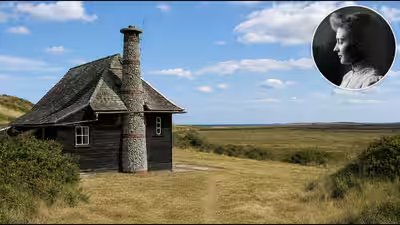
In 1923, pioneering British bird photographer and ornithologist Emma Louisa Turner volunteered for an unusual conservation project: to become the first resident watcher on Scolt Head Island, a roughly 1,200-acre barrier island off the north Norfolk coast. Turner spent a total of 18 months on the island, living in a basic hut during the 1924 and 1925 breeding seasons while monitoring nesting birds and protecting colonies from egg collectors and disturbance. According to the British Trust for Ornithology (BTO), Turner took up the formal watcher role in 1924, while contemporary records show that protection produced a notable increase in Scolt Head’s tern colonies.A nature reserve needed a watcherThe conservation project began when the Norfolk and Norwich Naturalists’ Society raised money to acquire Scolt Head and secure its future as a nature reserve. As per a 1923 account preserved by the Scolt Head & District Common Rights Holders Association, the Earl of Leicester offered most of the land to the society for £500, with the intention that it should be transferred to the National Trust and preserved forever. It is worth noting that the island’s dunes, shingle and salt marshes were considered exceptionally valuable for both plants and breeding grounds for birds.However, Scolt Head’s bird colonies needed active protection, as conservation records said that egg collecting and visitors walking through nesting grounds could damage breeding colonies. The Norfolk Wild Bird Protection Committee undertook to provide a watcher during the nesting season. Turner, who was already an established photographer, ornithologist and author at the time, volunteered when the society faced a challenge in finding a suitable person. The ornithologist’s living conditions were basic; she stayed in a hut during the breeding season without any electricity supply and depended on rainwater for fresh water. This off-grid setup gained massive newspaper coverage, with the press calling her the “loneliest woman in England.” Turner, however, rejected this narrative in her book Bird Watching on Scolt Head, where she wrote about an island life filled with birds, visitors, and observation.Monitoring and protection transformed the tern coloniesFollowing Turner’s move to Scolt Head Island, protected bird populations experienced an immediate surge. Although later biographical accounts often summarize the common tern population as rising to 800 pairs, the contemporary 1924–1925 Transactions of the Norfolk and Norwich Naturalists’ Society provides a direct, verified field count: observers recorded 653 active Sandwich tern nests and estimated up to 300 common tern nests on a single day in May, with birds still actively laying across the reserve.Nevertheless, the improvement demonstrated the importance of protecting breeding habitat from direct human disturbance. The 1925 society report recorded more than 1,000 tern nests on the island that summer when Sandwich and common tern nests were combined and described the island as having one of the most flourishing tern colonies in Britain. Today, Scolt Island supports internationally important Sandwich and little tern populations as well as nationally significant common and Arctic tern populations.
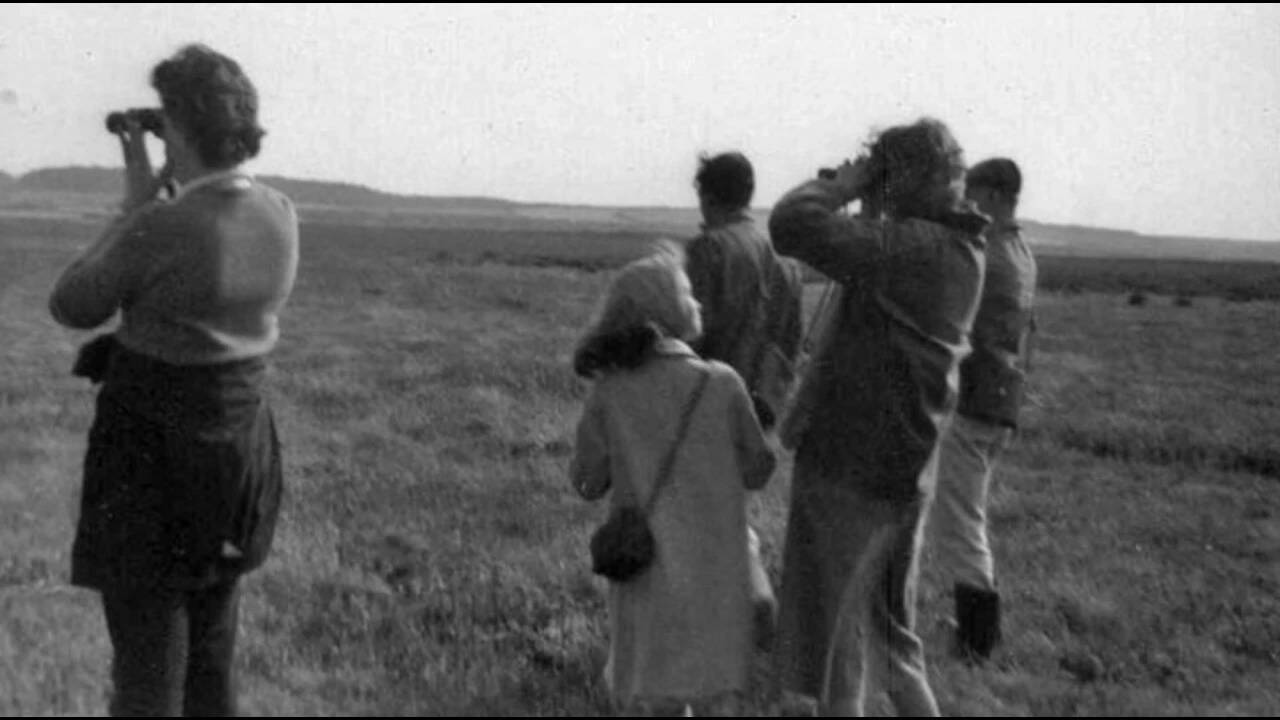
Bird watching on Scolt Head Island, Norfolk. Image credits: Wikimedia Commons
Turner remained on the island for 18 months and ended her tenure in November 1925. It is worth noting that her work went beyond just guarding the nests, as she also recorded migrating birds, documented species, and gathered material for her book. Notably, she was also among the early women elected to the Linnean Society. She became an honorary member of the British Ornithologists’ Union, and the BTO describes her as a pioneering bird photographer whose detailed observations and photographs helped establish new standards for documenting bird behaviour.Therefore, what once began with a 57-year-old woman volunteering to live in an isolated island hut became an important chapter in British bird conservation. Turner’s careful watching coincided with the protection of Scolt Head’s breeding areas, and the tern colonies expanded notably. A century later, the island remains protected and continues to support major seabird colonies.