
In 1869, the Suez Canal connected the Red Sea to the Mediterranean; over 150 years later, 120 fish species have crossed and scientists predict the next three
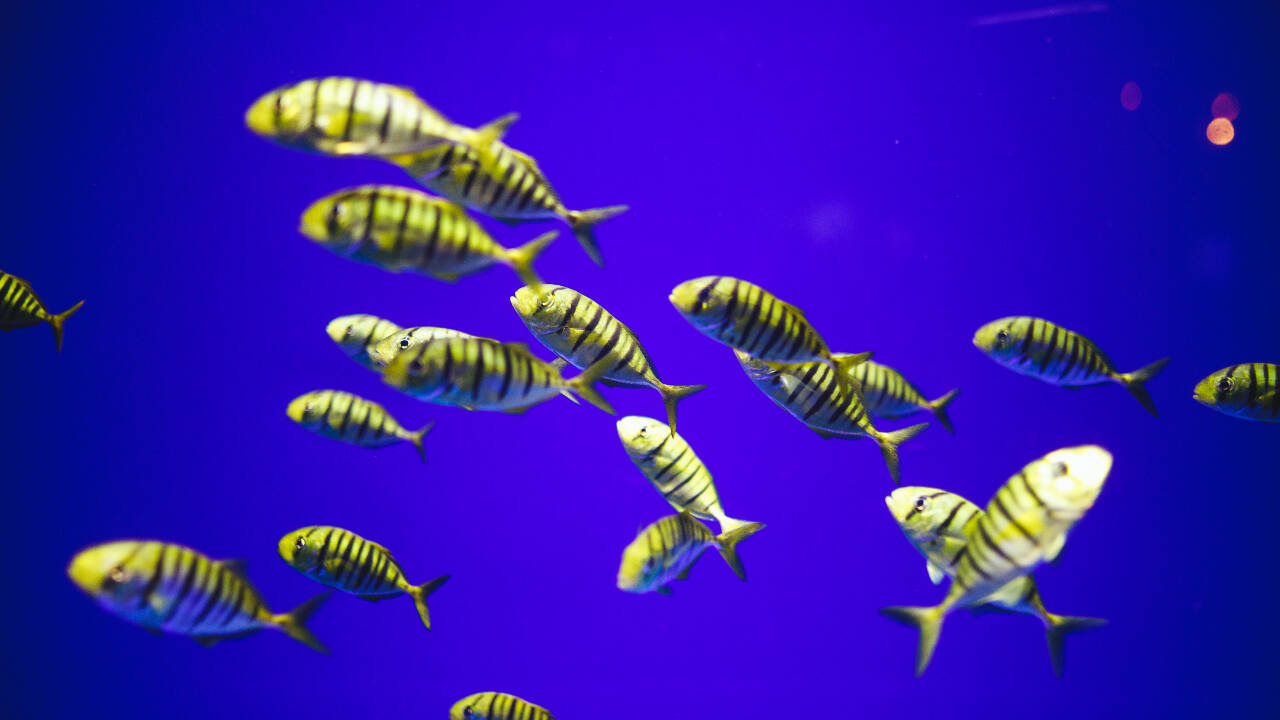
Since the Suez Canal opened more than 150 years ago, more than 120 fish species have migrated from the Red Sea into the Mediterranean. Researchers at Tel Aviv University have now created a statistical model that predicts which species are likely to make the move next, states a report by Phys Org. It also states that some of the model’s top candidate species included the stellate pufferfish (Arothron stellatus), the cinnabar goatfish (Parupeneus heptacantha) and the yellowspotted trevally (Turrum fulvoguttatum). The study was conducted by Dr. Shahar Chaikin during his PhD at Tel Aviv University, under the supervision of Prof. Jonathan Belmaker of the School of Zoology, the Wise Faculty of Life Sciences, and the Steinhardt Museum of Natural History.
Predicting tomorrow’s marine invaders
The new model ranks Red Sea fish species by how likely they are to be successful colonizers of the Mediterranean. The model was not built simply to explain past invasions, but to assist scientists and environmental authorities in anticipating future ones. As the Mediterranean becomes more accommodating to tropical species with the rising sea temperatures, the model could be an important tool for environmental monitoring, early detection of invasive species and informed conservation planning.
What makes a fish such a successful invader?
Researchers used stereoscopic baited remote underwater video systems (stereo-BRUVs) deployed between 5 and 150 meters
To answer that, researchers used stereoscopic baited remote underwater video systems (stereo-BRUVs) deployed between 5 and 150 meters (16 and 492 feet) deep in the Gulf of Eilat and along the Mediterranean coast of Israel. From hundreds of hours of underwater footage, they analyzed 179 fish populations, comparing species that have already invaded the Mediterranean with closely related species still confined to the Red Sea. Whereas previous studies examined only species that have already completed the migration, this study also examined the source populations in the Red Sea, allowing the team to identify the traits present before the invasion. The fish most likely to invade the Mediterranean were those least dependent on coral reefs; they were not the ecological ‘generalists’ that can thrive in many environments.
New sea, new customs
The study also found that the fish act differently after they reach the Mediterranean
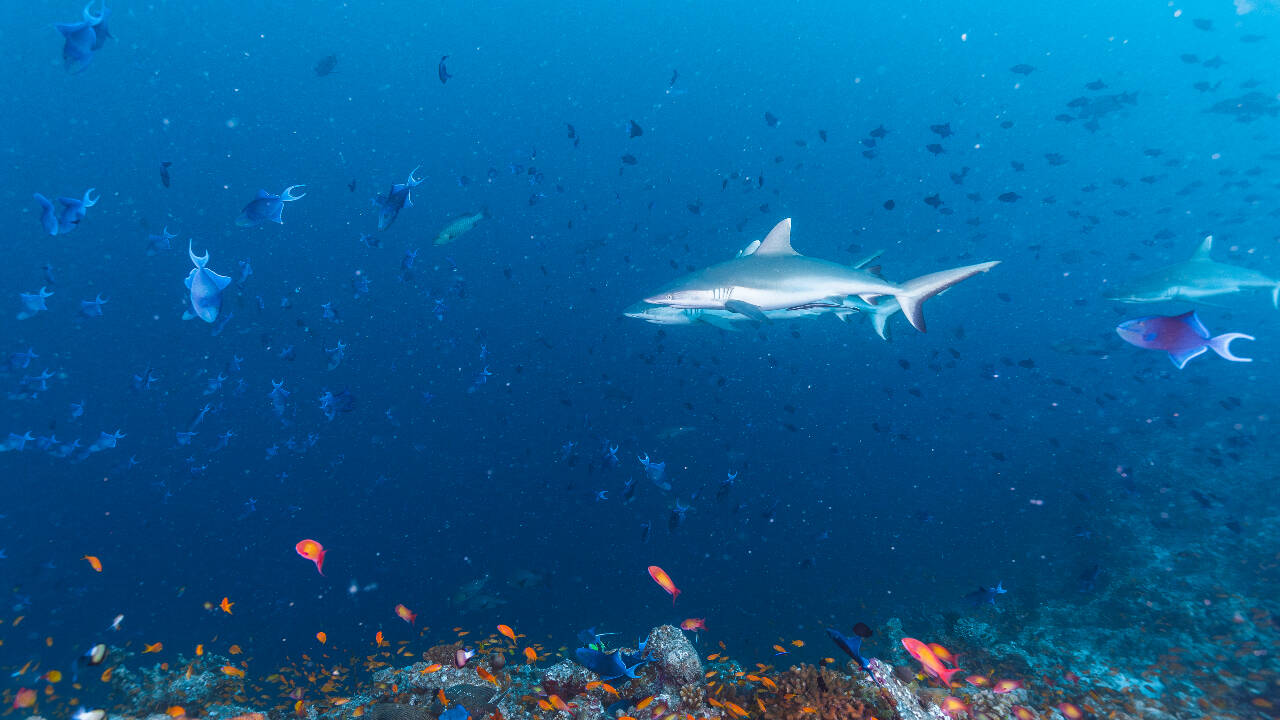
The study also found that the fish act differently after they reach the Mediterranean. Successful invaders are quick to adapt to the environments available in their new home, and do not stay in the same habitats they occupied in the Red Sea. Invasive fish do not primarily occupy empty niches, as is commonly thought, the researchers also found. Instead, they share habitats used by native Mediterranean species, suggesting that competition for food, shelter and space may be much more intense than previously believed. “Until now, researchers have attempted to understand biological invasions mainly by studying species that had already arrived in the Mediterranean,” says Belmaker. So we took a step back and asked what these species look like before they begin their journey. “This distinction allows us to move from explaining invasions that have already occurred to predicting future invasions.”As the Mediterranean warms up, researchers expect the tropical fish to settle there more easily. Predictive models like this, they believe, could be an important tool for environmental monitoring programs to help scientists identify new arrivals sooner and prepare for the ecological changes in store.Images Courtesy: istock