
In 1864, an Indian Maharaja built a 368-foot well in a drought-hit English village; the story behind Stoke Row’s ‘Maharaja’s Well’
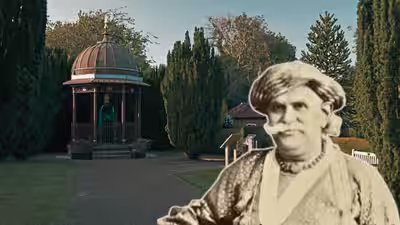
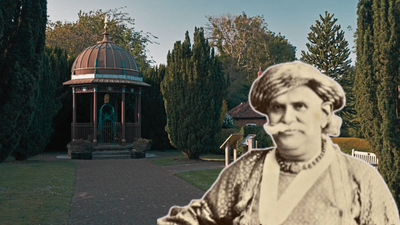
There is a small English village where an ornate well carries an Indian connection. In Stoke Row, Oxfordshire, stands the Maharaja’s Well, a 368-foot-deep water well funded by the Maharaja of Benares in the 1860s. It was built when the village was struggling with water shortages and was officially opened in 1864. The well was not built as a monument. It was meant to provide the villagers with a reliable source of water. The story behind it began thousands of kilometres away in India.
How an English village came to the Maharaja’s attention
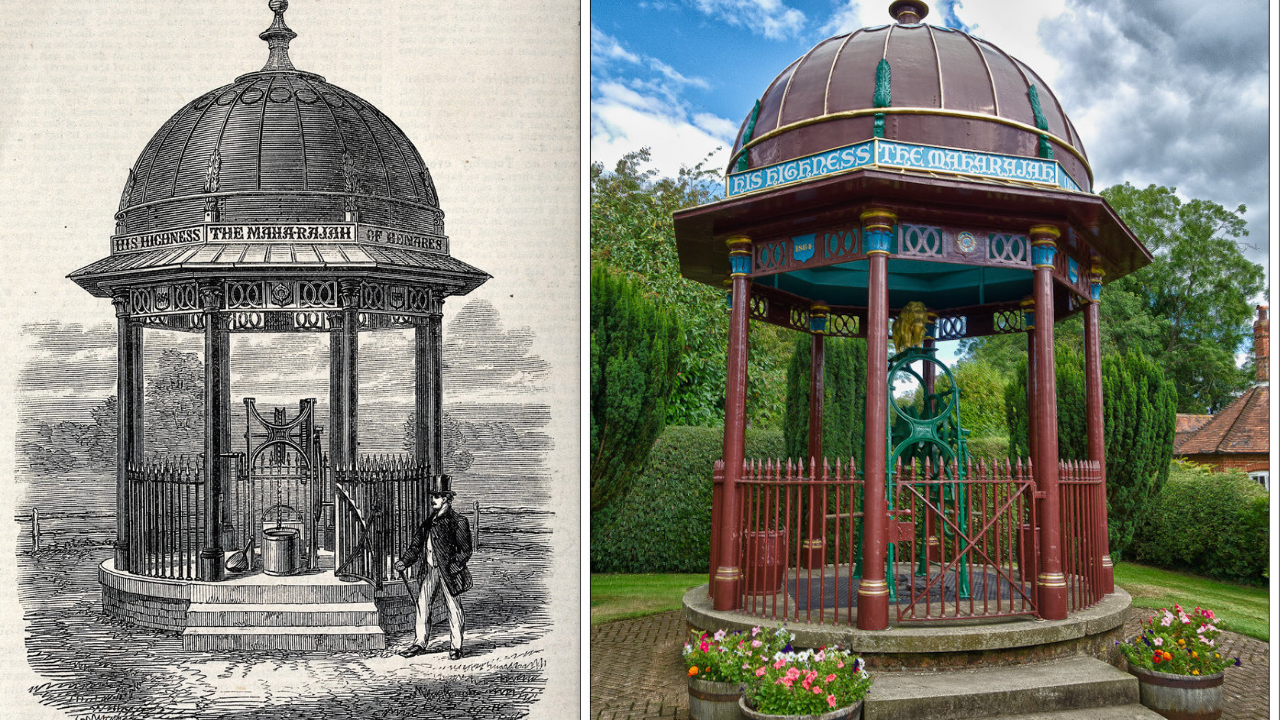
Photo credit: British Geological Survey
Stoke Row, in the Chiltern Hills, had limited access to reliable water. According to the British Geological Survey,the village’s location and local geology meant that water could become scarce during dry periods. Ponds could dry up, while the water table was deep underground.Historical accounts say that Edward Anderton Reade, a British official who had served in India, told the Maharaja of Benares about the difficulties faced by people in the village. One account says Reade told him about a child who had been punished after drinking the last available water at home during a period of drought. The story is presented in historical accounts as the incident that moved the Maharaja to help.According to BBC and some media reports, the Maharaja decided to fund a well in Stoke Row after hearing about the villagers’ difficulties. The Maharaja was Ishwari Prasad Narayan Singh of Benares, who lived from 1822 to 1889. Historical references identify the project as a charitable gesture connected to his relationship with Reade.
A well dug 368 feet into the ground
Work on the well began in 1863. It was not a simple village well. The shaft was dug by hand to a depth of 368 feet (around 112 metres) to reach the water table. The British Geological Survey describes the depth as roughly the length of a standard football pitch. The local geology made the project particularly difficult because the secure water supply lay deep beneath the ground.The well cost £353 at the time (approximately ₹71,78,000 now), according to the British Geological Survey. Construction took about a year. The well was officially opened in 1864. But it did not look like an ordinary village water source.
A golden elephant and an Indian-style pavilion
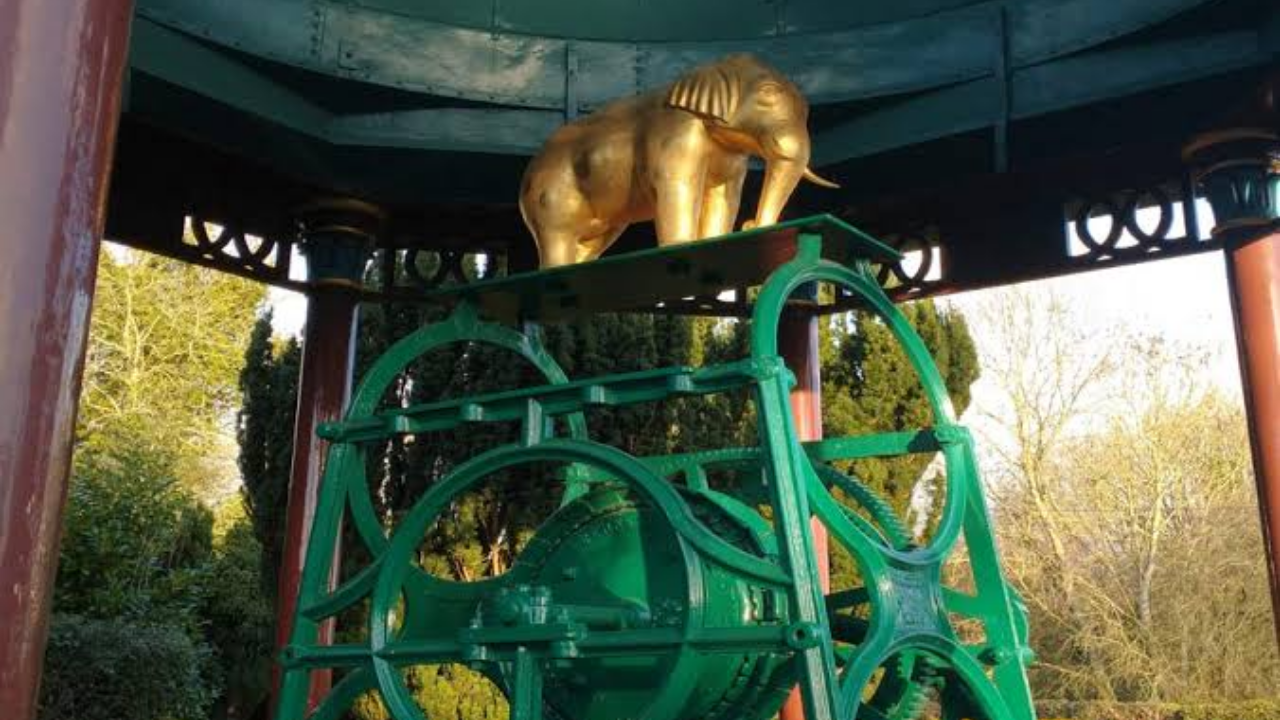
Photo credit: British Geological Survey
The well was eventually covered by an elaborate pavilion with an Anglo-Indian design. A golden elephant was placed above the well’s winding machinery, giving the structure an unmistakable Indian connection. The British Geological Survey says the ornate wrought-iron pavilion and golden elephant remain a defining feature of the site. The structure was linked to the Maharaja in other ways too.A nearby cherry orchard, known as the Ishree Bagh, was established to help generate income for maintaining the well. The site also included a cottage for the person responsible for looking after it. The Maharaja never visited Stoke Row, but accounts say he continued to support the well and the village.
The well changed the village
The impact went beyond providing drinking water. Historical accounts say reliable access to water encouraged more people to settle in the village. Houses were built around the area and economic activity increased. The British Geological Survey notes that the Maharaja also planted the nearby cherry orchard as a source of income for the well’s maintenance.The well remained an important source of water for decades. It eventually stopped being used for its original purpose after a proper water supply was brought to the village. A water pipeline arrived in 1927, after which the well gradually fell out of everyday use.
The Maharaja’s connection with the village continued
The connection between Benares and Stoke Row did not end when the well was completed. According to few media reports, the Maharaja also helped the villagers during later difficulties. One such occasion came in 1882, after Queen Victoria survived an assassination attempt, when he funded provisions for the people of Stoke Row. The well itself became a lasting symbol of the relationship.In 1961, when the Maharaja of Benares met Queen Elizabeth II during her visit to India, the forthcoming centenary of the well was discussed, according to historical accounts. Three years later, Stoke Row held a centenary celebration.
Prince Philip attended the centenary
On April 8, 1964, nearly 1,500 people gathered in Stoke Row to mark 100 years of the well. Prince Philip, the Duke of Edinburgh, attended the celebration. A photograph from the event shows Prince Philip at the well as villagers gathered for the centenary celebrations. The occasion brought the story of the Indian-funded well back into public attention in Britain, 100 years after it had first been opened.Today, the Maharaja’s Well remains in Stoke Row. The well no longer serves as the village’s everyday water supply, but its pavilion, golden elephant and Indian associations remain. More than 160 years later, the Maharaja’s Well still stands as a reminder of an unusual connection between an Indian ruler and a distant English village.