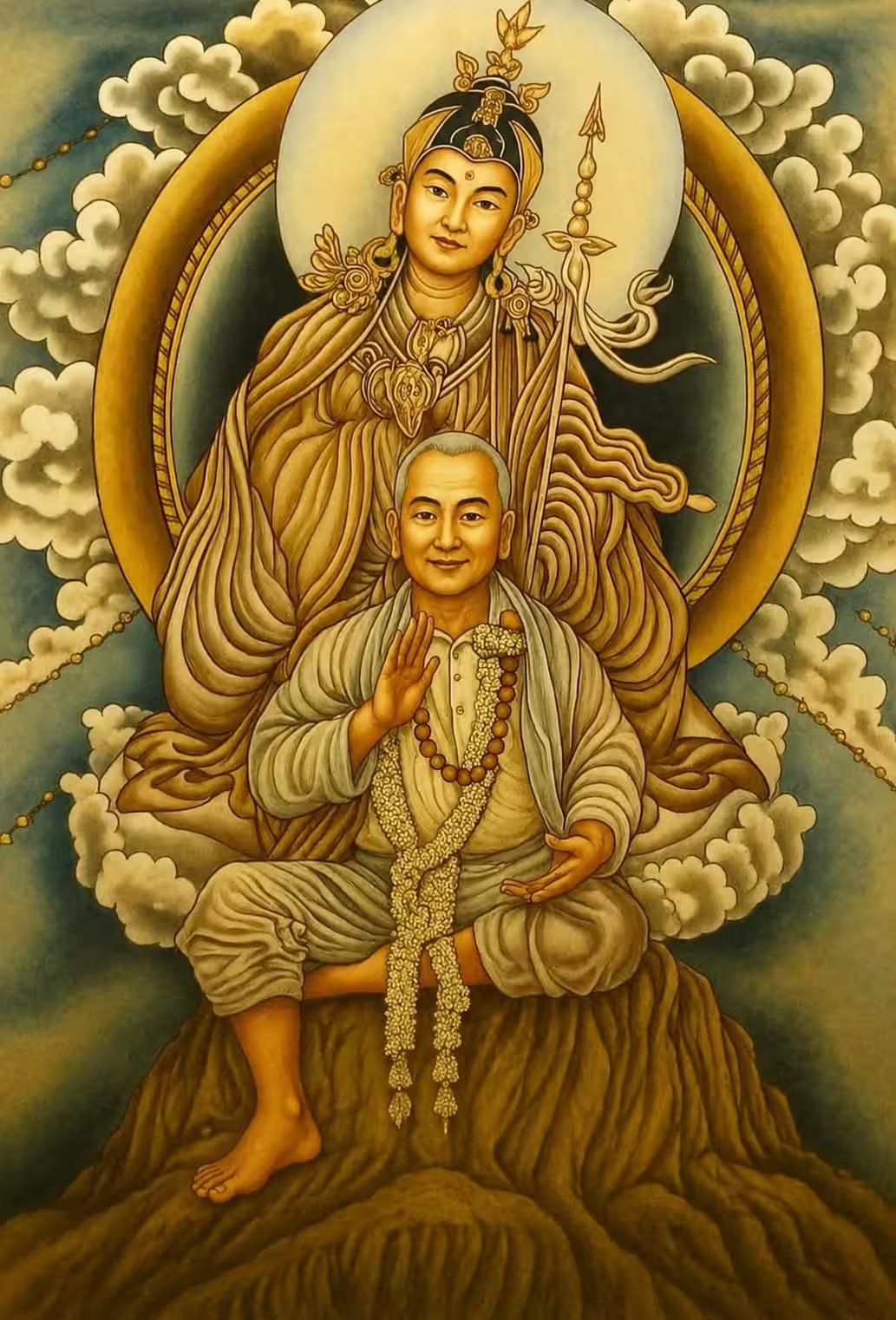
Harvesting a New Year, Don Tzu, and more…



Hello and welcome to another edition of the Weekly Vine. Today is Bengali New Year or Pohela (Poila) Boishakh, a troubling time for yours truly because one is very bad at being Bengali. Many years ago, I had my Bengali card revoked when a relative asked: “What is your favourite Rabi Thakur song?” My reply that I had no idea what a Rabi Thakur was didn’t pass muster, and later I would learn Rabi Thakur was the preferred short-name of Rabindranath Tagore, a bearded deity that all Bengalis are required to worship along with the German who lived in England.
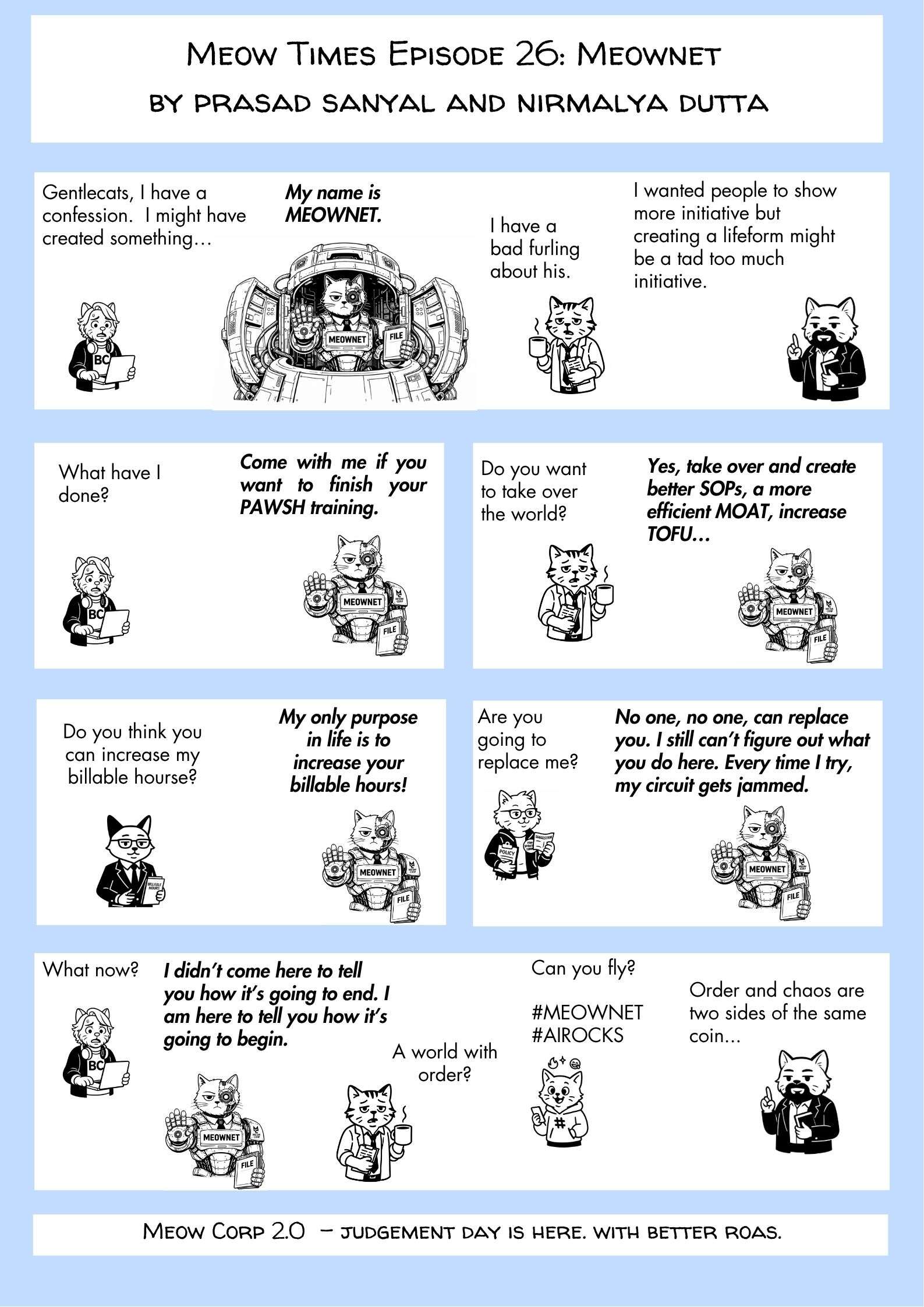
Jokes apart, this year we look at why so many Indian cultures harvest a new year in mid-April, explain the philosophical teachings of Don Tzu, take a look at the Pope facing off against said Don, while my fellow columnist/cartoonist explains the dire sequence of events that accompany 46 cycles around the sun.
Harvesting a New Year

In some ways, we are cursed to see the world through Anglo-Saxon eyes. Take the Gregorian calendar, which decided that the year ought to begin with January 1. This was a correction of the older Julian calendar because Easter was drifting too far apart for the Church’s liking. So, in 1582, Pope Gregory XIII knocked off ten days, which probably meant a lot of folks couldn’t celebrate their birthdays that year. The Catholic world followed, the Protestants protested a bit, as they are wont to, and finally agreed, and the Gregorian calendar became the world’s default operating system like Windows. By the time India became independent, January 1 had already become the calendar of the office, the passport, the school admission form and the income-tax notice.
But of course, as Linux users will tell you, they have a far better operating system, as will Indic civilisation, which tied its turn of the year to something far more meaningful than paperwork. Mid-April is the perfect starting point because that’s when the Sun moves into Mesha, Aries, which has long been used in the Indian subcontinent to track seasonal changes. It is precise enough for astronomers, but more importantly, dependable for farmers who needed to know when one agricultural phase had ended and another was about to begin.
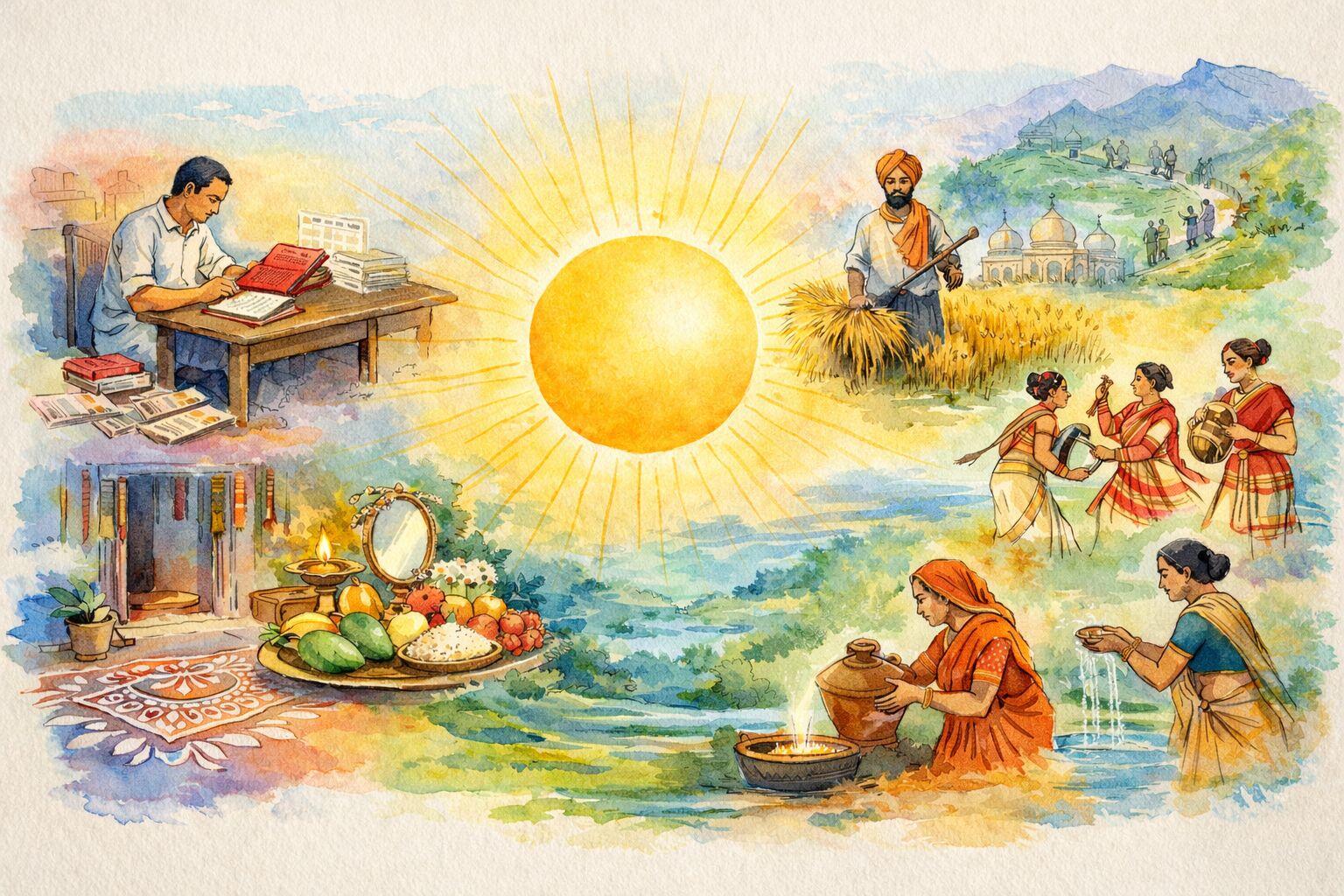
Now every region has different variations. For Bengals, having to deal with Mughal rulers longer than most, Boishakh carries the imprint of administrative logic under Akbar, where taxation had to follow the harvest. You can’t tax folks when they have no money to pay, after all, and that logic survives in haal khata – the opening of new accounts books – when shopkeepers invite customers to settle old balances and begin fresh ledgers.
Tamil Nadu’s New Year, Puthandu, sits within a solar calendar aligned to seasonal cycles. The day begins with controlled sight, where auspicious objects are arranged so the first thing you see sets the tone for the year, and moves quickly to mango-neem pachadi, a dish that mixes sweet, bitter, sour and spicy flavours, much like following the trials and travails of Chennai Super Kings in this day and age.
Kerala’s Vishu is tied to the Malayalam calendar, which dates back to the Kollavarsham era beginning in the 9th century. Unlike regions that mark a single harvest, Kerala’s agrarian system was built on layered produce like paddy, coconut and spices. Vishu reflects that continuity. The Vishukkani is a carefully arranged display of rice, fruit, flowers, coins and a mirror so the first sight of the year is abundance, followed by Kaineettam, where elders give money to younger members, turning that idea into something tangible.
Punjab’s Baisakhi is tied to the wheat harvest, when the rabi crop is cut, and it has added importance since Guru Gobind Singh established the Khalsa, marking both the arrival of grain and the formation of community.
Assam’s Bohag Bihu follows the logic of a rice-based agrarian system where farming depends on cattle, labour and community. The festival begins with Goru Bihu, where cattle are washed and honoured, moves to Manuh Bihu focused on people, and then expands into days of song and dance. It is not one event but a sequence that resets the system needed for the next agricultural cycle.
Odisha’s Pana Sankranti marks the New Year but also the arrival of heat. The ritual centres on pana, a cooling drink made from bael fruit and jaggery, and on public water distribution. The focus is straightforward. After the harvest, the next challenge is summer.
Mithila’s Jur Sital follows the same logic in quieter form. Rooted in the Tirhuta calendar, it marks the New Year with water, cooling foods like sattu and seasonal adjustment. The body comes first.
Kumaon’s Bikhauti reflects mountain geography, where distance shapes life. The New Year becomes a mela where villages gather, travel and reconnect. In the hills, the year begins when people show up.
Unlike the Gregorian calendar, the Sun can decide when to move, but it’s the land that gives it meaning.
Don Tzu and the Art of War


‘Jesus’ Trump vs Pope

The Vatican and the Holy Pontifex might be in the news for their tete-a-tetes with Donald Trump, but the Vatican has always been an institution that – while claiming spiritual authority – spent much of its history negotiating, exercising, and wielding political power, to the sense that pre–World War II, the group controlling the Catholic Church decided the moral vocabulary of Western civilisation.
Pope Leo I stopped Attila the Hun in his tracks. Pope Gregory VII forced Henry IV into submission at Canossa. Pope Urban II launched the First Crusade and started Europe’s long legacy of passing off war as a civilisational movement. Pope Innocent III excommunicated kings and placed entire kingdoms under interdict, effectively shutting down their legitimacy overnight.
Pope Boniface VIII tried to assert supremacy over monarchs, only to be dragged into a violent confrontation with Philip IV of France. Pope Julius II led armies into battle himself, turning the Papacy into just another player in Italy’s endless wars.
But perhaps the Pope that the POTUS would have felt a true kinship to was Pope Alexander VI, the protagonist of Mario Puzo’s The Family, who ran the Vatican like some folks run Bollywood. His foreign policy was rather catholic as opposed to being Catholic and was largely centred around self-aggrandization and consolidating power for his nepo babies (illegitimate children), to the extent that in modern Italian lexicon, his Valencian birth name (Borgia) is a synonym for libertinism and nepotism.
Now a foreign policy based on gaining the most advantageous terms for one’s family, to improve one’s relationship with Mammon, and get the best deal might sound familiar in this day and age, but is no longer the operating procedure of the Vatican. In time, the Church and state have separated not by virtue of morality but due to waning influence, and post–World War II, the Pope is largely a spiritual figurehead who is paid lip service by ostensibly Christian-leaning secular nations, which treat the Pontifex like an avuncular figurehead rather than a paterfamilias of the Catholic world.

Postscript by Prasad Sanyal: Forty-six, or how a perfectly good day masqueraded as a disaster
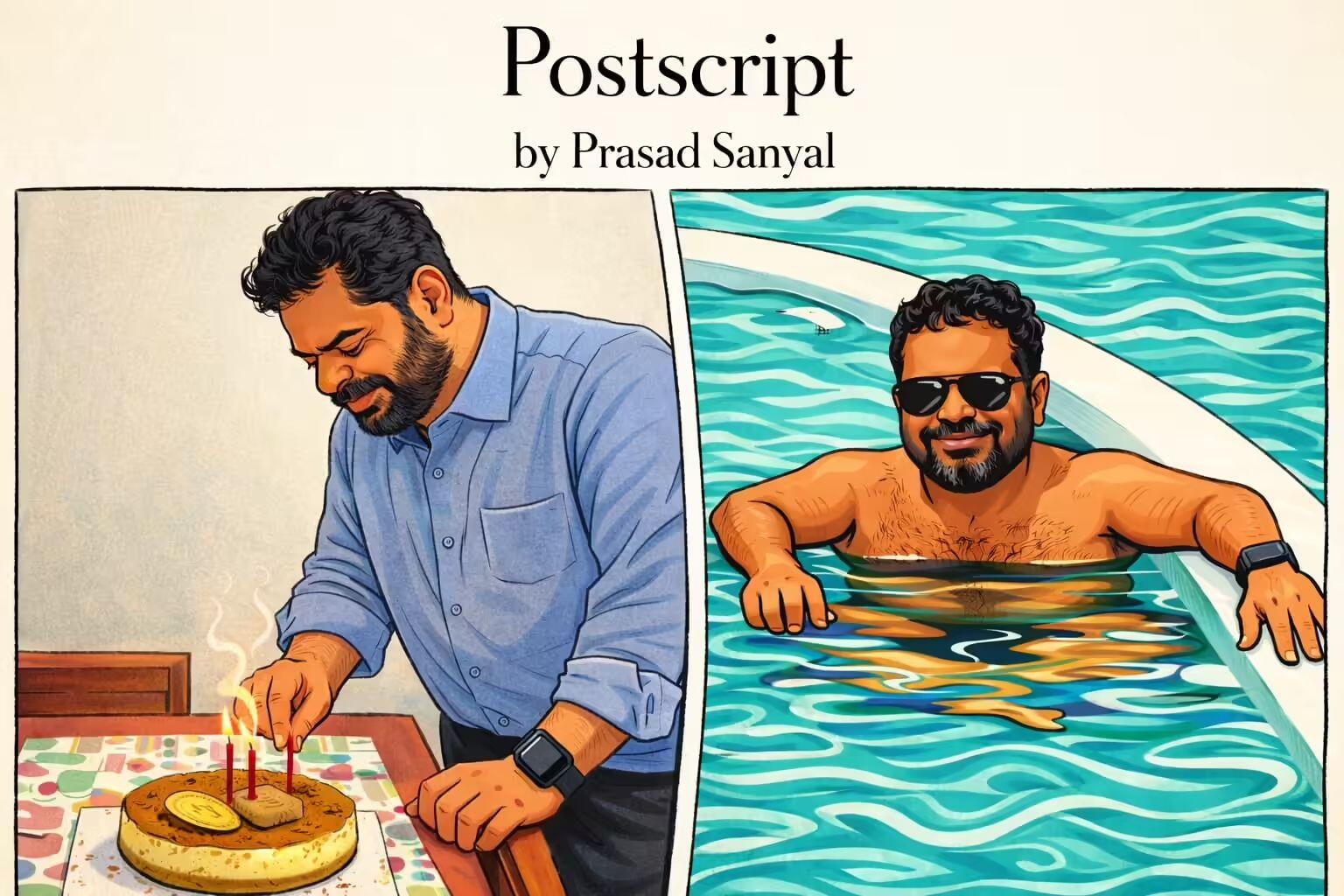
Forty-six does not arrive with ceremony. It slips in quietly, like a meeting that could have been an email. But let me be honest: on the day itself, there was nothing quiet about it.
This piece is being written two days later in Goa, with the kind of mature reflection that only distance and lager can provide. On that day, however, it did not feel like a reflection. It felt very much like a spiral.
It began with burnt poha. Not mildly overdone, not heroically crisp. Burnt. The sort that announces itself before you enter the room. Our helpers, who have a particular instinct for making special days unforgettable, had delivered breakfast as provocation. I saw it, paused, and then reacted with the kind of disproportion that suggests all philosophical growth is conditional.
Post Postscript
Word of the Week: AntiChrist
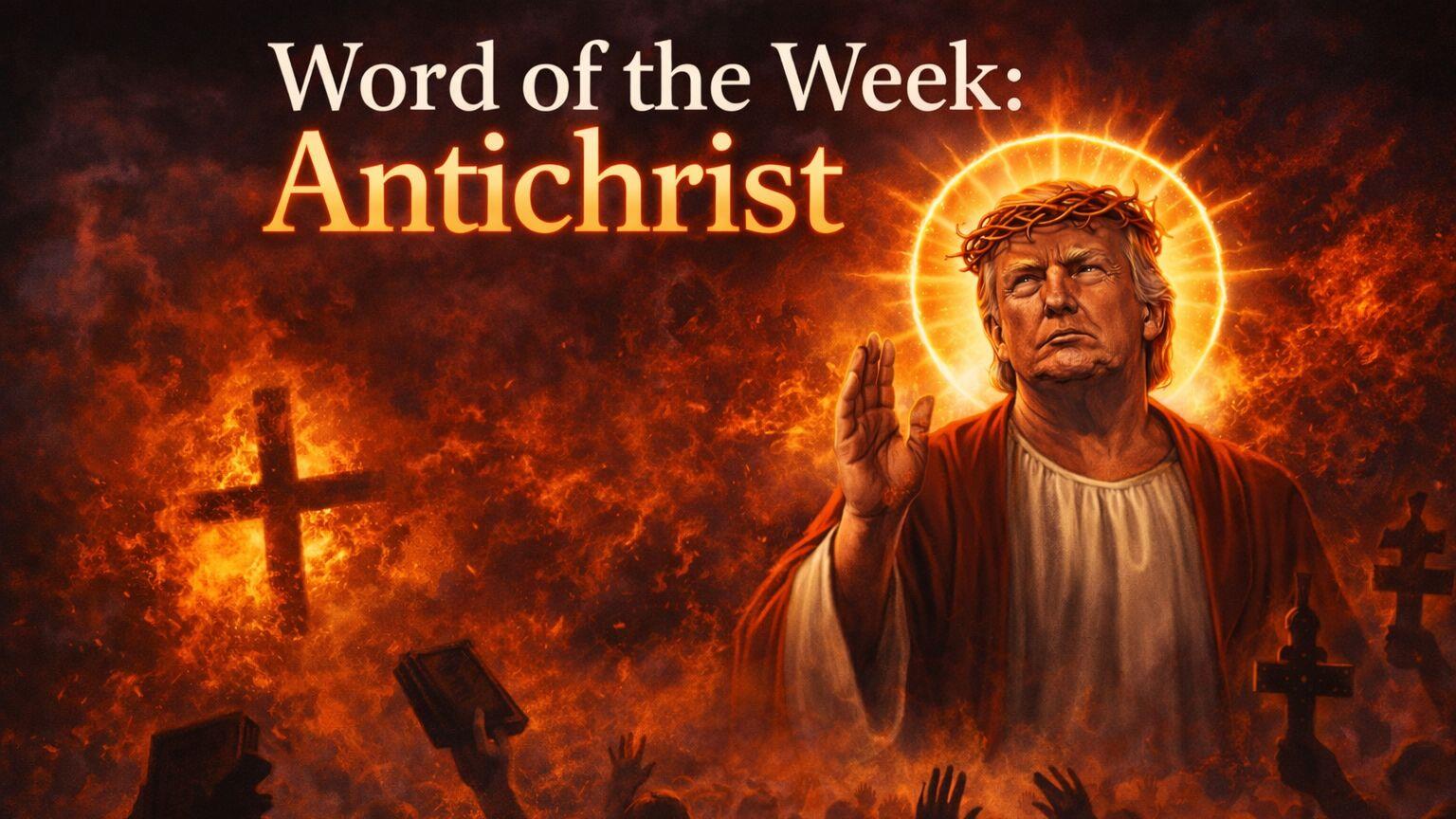

Trump recently found out that there is one line he cannot cross with his base, depicting himself as Jesus Christ. More vehement believers even said he was speaking in the words of the Antichrist, which in Christian theology is a figure who elevates himself into a position reserved for the divine.
In biblical terms, the Antichrist is not just an opponent of Christ but a deceiver who comes in His name while distorting His nature. In the New Testament, particularly in the letters of John, the term is used for those who deny Christ or misrepresent Him, while later writings describe a figure who exalts himself above God and draws people away from true worship. The defining trait is not open hostility, but substitution, a human authority presenting itself in a way that demands a reverence that belongs only to the divine.
Book of the Week: Raga ‘N’ Josh
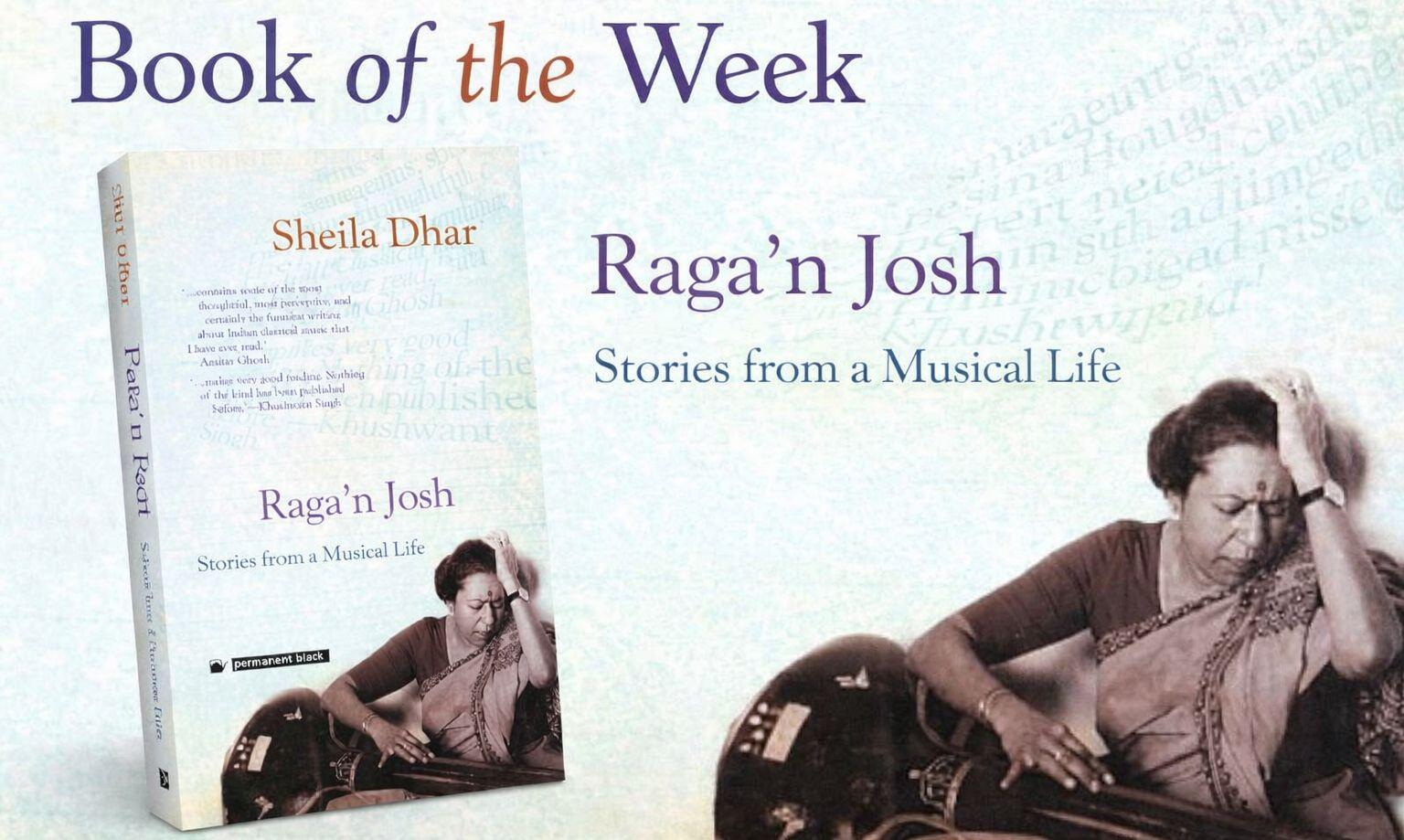

One of the prime examples of a great piece of art is one that appeals to those who do not follow that particular subject. A delightful entry in that space is Raga ‘N’ Josh, written by Sheila Dhar, a classically trained singer of the Kirana gharana, who was married to PN Dhar, a member of the so-called “Kashmiri Mafia” – a group of bureaucrats very close to Mrs G.
From Ghulam Ali’s disdain for vegetarian food to Richard Attenborough’s disgust at being accosted by the olfactory overdose of rasam, the book is filled with delightful stories about politicians, bureaucrats, diplomats and classical practitioners.
But the anecdote I loved the most was about the Queen of Tonga, who was present at a diplomatic event. When she was asked what she did for a living, the Queen replied, “I just bees.” And frankly, that is the life lesson we all need, and what we should strive to do: just bees.
PPPS: The Weekly Vine will take a break next week, but we will be back on April 29.
Disclaimer
Views expressed above are the author’s own.
END OF ARTICLE