Harvard to pay $53 million after human remains donated to its medical school were stolen and sold on the black market | World News
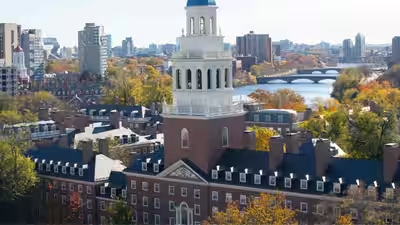
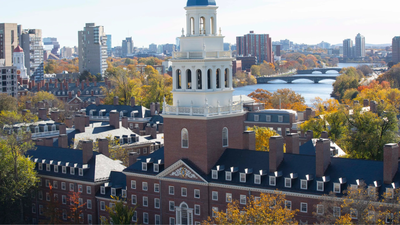
Harvard University has agreed to pay $53 million to settle civil lawsuits brought by families whose relatives donated their bodies to Harvard Medical School for research and education, after parts of those donated remains were stolen and sold in a nationwide black-market scheme. The scandal centred on Cedric Lodge, a former manager of Harvard Medical School’s morgue, who prosecutors said stole organs, skin, brains and dissected heads from donated cadavers. Lodge transported some of the remains to his home in New Hampshire and sold them to buyers in other states, with some later resold for profit. He pleaded guilty to trafficking stolen human remains and was sentenced to eight years in prison in December 2025. His wife, Denise Lodge, was also sentenced to prison for her role in the scheme.
How the Harvard human remains scandal unfolded
Lodge had access to cadavers donated through Harvard’s Anatomical Gift Program, which provides bodies for medical education and research. Prosecutors said he exploited that access by removing parts of bodies without the knowledge or consent of the university, donors or their families. The conduct covered by his guilty plea occurred from 2018 through at least March 2020. Investigators said the stolen remains included organs, brains, skin, hands, faces and dissected heads. Some were taken from the Boston morgue and moved to Massachusetts, New Hampshire and Pennsylvania. Federal prosecutors said Lodge took some of the remains to his home in Goffstown, New Hampshire, where he and Denise Lodge arranged sales to buyers in other states. The transactions formed part of a wider network rather than an isolated series of sales. Some purchasers subsequently resold what they had obtained, allowing the remains to circulate between different people for profit.Lodge pleaded guilty in May 2025 to interstate transportation of stolen human remains. A federal judge sentenced him to 96 months in prison in December 2025. Denise Lodge received a sentence of 12 months and one day. Other people connected to the investigation have also pleaded guilty or been convicted, with prosecutors pursuing cases involving both the Harvard remains and remains taken from other institutions.
Families sued Harvard
The federal investigation became public in 2023, prompting affected families to take legal action against Harvard. Their lawsuits alleged that the university had failed to properly safeguard donated remains and asserted claims including negligence, breach of fiduciary duty and emotional distress. The families argued that their relatives had made anatomical donations for medical purposes and had never consented to their remains being commercially traded.The university’s agreement is intended to resolve the civil lawsuits without prolonged litigation. It is separate from Lodge’s criminal prosecution, and Harvard has not admitted liability as part of the settlement. The agreement provides a mechanism for compensation while also requiring the university to take several additional steps concerning its anatomical donation programme.
Who is covered by the settlement
The settlement uses an eligibility period that extends beyond the specific period covered by Lodge’s guilty plea. It applies to eligible donors whose remains passed through Harvard’s Anatomical Gift Program between January 1, 2018, and March 31, 2023. Qualifying relatives will be able to seek compensation according to the terms of the agreement, although payments remain subject to the settlement process and final court approval.
Harvard promises changes and a scholarship
Harvard Medical School has agreed to communicate directly with claimant families through a live webinar and acknowledge that Lodge’s conduct was “morally reprehensible” and inconsistent with the university’s standards. The school will also provide information about changes made to its Anatomical Gift Program. In addition, Harvard plans to establish an annual financial-aid scholarship for medical students from the 2027-28 academic year in recognition of anatomical donors.The case involving Lodge was one part of a broader federal investigation into the trafficking of human remains. Prosecutors charged several other people who were accused of buying, selling or transporting remains. Some cases involved material taken from Harvard, while others concerned remains stolen from different facilities. The investigation exposed a network in which remains could be moved across state lines and resold between participants.
The case has drawn widespread attention
The scandal is particularly disturbing because anatomical donation relies on the confidence of donors and their families. People who make such donations expect their bodies to be treated respectfully and used for legitimate medical or scientific purposes. The alleged commercial trafficking therefore represented a serious violation of the trust placed in the institution responsible for handling those remains.The settlement has not yet reached its final stage. A court hearing on final approval is scheduled for December 9, 2026. If approved, the agreement will resolve the civil claims covered by its terms. The criminal sentences imposed on Lodge and other defendants remain separate from the settlement, while Harvard has said that addressing the consequences of the scandal and rebuilding trust with affected families will continue.