
Festive skin prep: Why your last-minute glow plan fails, and what actually works |


Every festive season, dermatology clinics witness a familiar trend. People walk in a week before celebrations hoping to erase months of pigmentation, dullness, and tired-looking skin with a single facial. Unfortunately, skin does not respond to urgency. Healthy skin is achieved through addressing underlying biological changes instead of providing a temporary cover-up of the problem.For better understanding, we approached Dr Priyanka Keshav, Dermatologist, VLCC, who explained”Dull skin is not just a cosmetic issue but often an indicator of slow skin cell turnover, dehydration, compromised barrier function, oxidative stress, and persistent exposure to the sun. Uneven skin tone could occur as a result of melasma, post-inflammatory hyperpigmentation after acne, tanning, or age-related pigmentation. Tired skin is often caused by decreased collagen function, poor circulation, and loss of hydration.”

(Image Credits: Pinterest)
The first step in festive skin preparation is a clinical skin assessmentTwo individuals with similar-looking pigmentation may require completely different management plans. For example, aggressive exfoliation in melasma can worsen inflammation and trigger rebound pigmentation. In contrast, superficial pigment caused by tanning may respond well to controlled exfoliation. Identifying the depth and cause of pigmentation is therefore far more important than choosing the latest trending treatment.Stop Layering Everything on Your FaceOverloading the skin with different active agents is a frequent mistake in the festive season. By combining vitamin C, retinol and scrubs, one can hope for a quicker result, but all it does is harm the skin barrier. A damaged barrier leads to increased water loss, a higher level of inflammation, and an even duller complexion. Restoring the barrier with sufficient hydration, ceramide moisturisation, and good sun protection is a must before all corrective treatments.As for individuals who suffer from complexion problems, after checking their skin type and sensitivity, gender-specific procedures that are approved by dermatologists – such as chemical peeling or pigmentation laser treatment – can be employed. These interventions facilitate the skin’s renewal process or allow the selective destruction of melanin without any excessive damage to the skin. These methods show better results than repeated attempts at home and scrubbing. Medicine nowadays also focuses more on personal combinations of surface treatments, chemical peeling, and technical methods for skin rejuvenation.Hydration Is Your Skin’s Best FriendHydration deserves equal attention. Moisturised skin has the ability to reflect light evenly and appears brighter. Besides, getting enough sleep and a proper diet containing enough antioxidants and protein play a huge role in producing collagen and healing the skin. All these internal factors contribute to skin health just as well as external means.Timing Is Equally ImportantScheduling extensive treatments weeks in advance of major events is preferable to scheduling them just one or two days beforehand. This provides adequate time for the skin to heal completely and minimises the likelihood of redness, irritation, or post-treatment sensitivity during significant events.
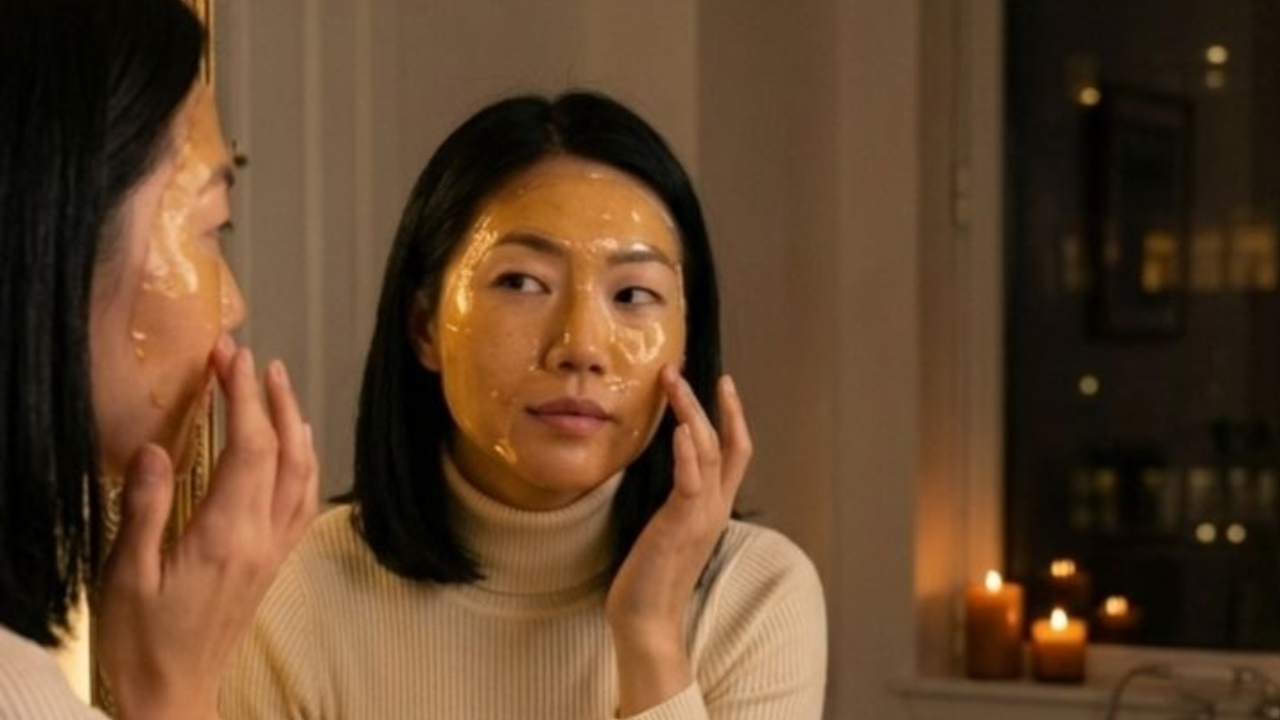
(Image Credits: Pinterest)
Choose Long-Term Skin Care and Not Quick FixesPreparations for festive skin should never be about achieving lighter skin. The goal should be healthier skin with a stronger barrier and better texture and complexion. Treatment based on clinical examination, not social media fads, results in skin that looks rejuvenated, naturally glowing, and healthy rather than overly polished.