El Nino: ‘India’s heatwave is a massive historical event — El Nino plus warming can make 2026 hottest year’


Benjamin Zaitchik, Morton K Blaustein Chair and Professor of Earth and Planetary Sciences, Johns Hopkins University, speaks with Srijana Mitra Das at Times Evoke about India’s huge heatwaves:
Can you explain the scale and intensity of the heatwave occurring in India now?
In historical terms, this is a massive event. We can’t do the statistics yet to see exactly where it ranks — but we do know that India has experienced some of its hottest conditions in recorded history in the last few years.It is becoming more and more common to see these persistent heatwaves. The current event is one of the most intense and prolonged heatwaves in the subcontinent in modern records.
What are the main factors driving as well as deepening this?
It’s helpful to think about this in terms of both weather and climate. From a weather perspective, usually it does get very hot around now until the monsoon starts. However, this particular weather phenomenon is being amplified via a persistent anticyclone — this is high pressure, keeping hot air in place over the land.
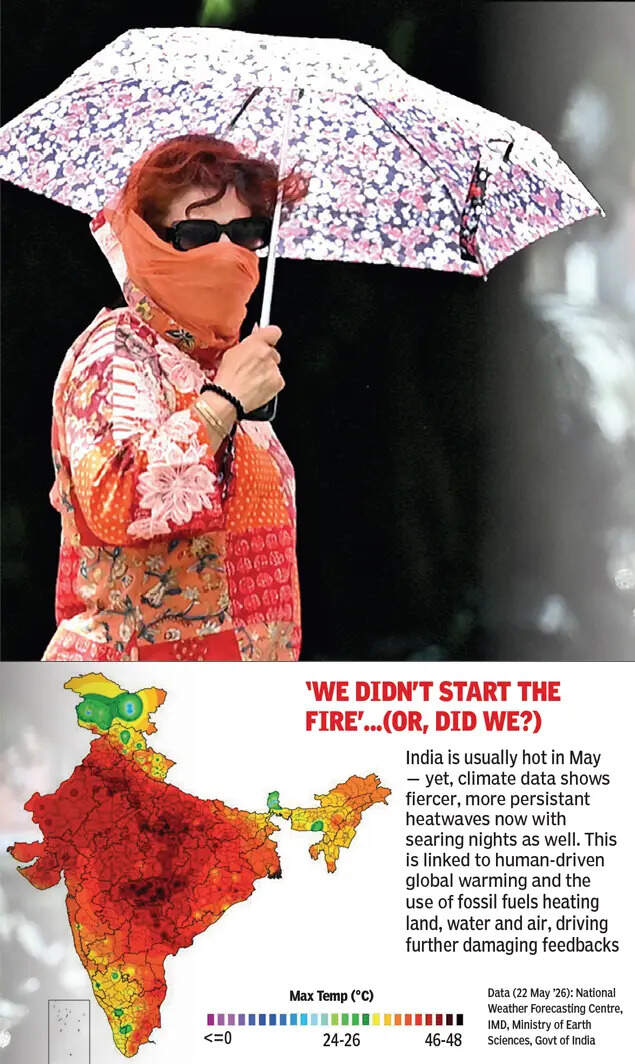
When you have air that’s stagnant for a long time over land, this heats up the air more than water does — and if the air isn’t moving quickly, it really can get baked. So, that circulation pattern has been stuck there for a while. A possible factor is pre-monsoon rains over much of the region have been below average, causing drier conditions that can increase that baking effect.Alongside, the global climate context is crucial and climate change is inescapable — that’s why we are seeing the increasing probability of these very hot events in India and almost everywhere else in the world as well. Another issue in global phenomena is that we are heading into an El Nino event — this hasn’t fully developed yet but it can generally reduce rainfall during the monsoon.I know IMD is already looking at this probably being a below-average monsoon year in India. That would mainly be because of El Nino — alongside, there are questions about whether, even as El Nino begins to develop in these precursor stages, that might have something to do with the lower-than-average premonsoon rains and therefore, this kind of feedback of dry land heating the air above it. I’d say there’s some possibility but the timing isn’t quite right to make that El Nino link.
Can you elaborate on feedback effects?
When we talk about feedbacks here, the primary issue is that if the ground is damp and vegetation is able to transpire considerable moisture into the air, the energy that hits the land gets converted to what we call latent heat. That creates humidity but, instead of heating up, the land stays cool — therefore, the impact the land has on the atmosphere above it is less severe.
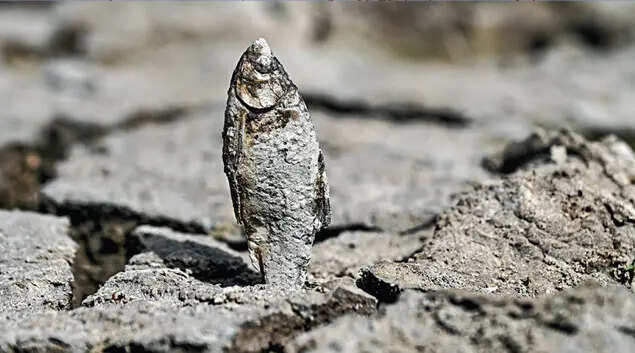
It’s not heating up the air as quickly. Here, if the land starts to dry out because of, for instance, weak premonsoon rains and it starts heating up the air above it, you get hot, dry air — which is thirsty air. That will cause even more evaporation, driving further stress on plants.Almost drought-like conditions can develop, where plants start shutting down and soil moisture dries — that means further drying of the land and therefore, even more of what we call a sensible heat flux. We often see such feedbacks around now in India — however, this year, it’s really kicked off strongly.
We think of heatwaves as terrestrial events — can you tell us about the ongoing marine heatwave off the US West Coast?
This is a heatwave in that it’s unusually warm for a persistent duration. With a marine heatwave, we’re talking about what’s happening in the water. Clearly, the ocean’s water has been unusually warm for a long time now — that has all kinds of implications. The most direct impacts are on ocean ecosystems, marine species and, in other locations, coral reefs.

Alongside, when the ocean is warmer than usual, that has impacts on weather that blow onto land as well. We are researching what this will mean for extreme precipitation events now. In a sense, from an extreme weather perspective, it feels almost like the opposite of India’s heatwave — there, we say, it’s linked to drought because it dries everything out. But if you’re over the ocean, there’s a vast supply of water that can evaporate.A marine heatwave means more water will get evaporated and carried to land — that can lead to warmer air holding more moisture and the potential for catastrophic flooding induced from such precipitation.
Are there other ongoing global heat events we should look at?
I can tell you from my experience how very hot it’s been here on the East Coast of the United States — temperature has been breaking records.The winter was devastating — it essentially didn’t happen. The mountains of the United States are the nation’s water towers and so, there’s concern now about our rivers coming out of the Rocky Mountains. The snowpack is at a historic low. All that is related to a persistent high-pressure warm pattern that lasted almost all winter in the western United States.
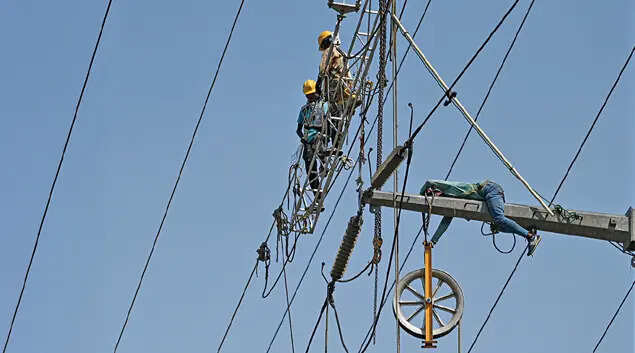
Certainly, statistically, 2026 is already off to an incredibly warm first several months. We’re seeing more extreme heat all across the world and as El Nino comes in later during the year, there’s every reason to believe 2026 and 2027 will be some of the hottest years ever seen, with either one probably becoming the hottest year on record.The odds are definitely in that direction now with an El Nino layered onto the global warming phenomenon we are seeing.
What are the physiological impacts of such conditions on human beings?
There are direct stress impacts — the body simply can’t tolerate that kind of heat. People exposed to this risk heat stress, leading even to heat stroke and dehydration. People with pre-existing conditions, like respiratory or pulmonary issues, could see exacerbations of these. Anybody with circulatory or heart issues needs to be very careful because of this physical stress on the body.Worryingly, India also has this combination of poor air quality in combination with such heat. We did a study published recently which showed how in Baltimore in the States, when there’s an extreme heat event, particularly nighttime heat, more kids show up in the emergency room with asthma. These findings can reshape our ideas of childhood — around the world, we generally say, ‘Go play outside’ to kids but now, you want to be careful with that.In addition, it’s also not cooling down at night — and there is a great deal of evidence showing warm nights are particularly physiologically damaging to our bodies which need that time to recover. If you’re sweltering for several days, a lot of the most significant health impacts affect people during heatwaves with hot nights, when individuals don’t have access to night-time cooling.
When I was a kid in Delhi, a desert cooler was adequate. Now, it’s unthinkable to not have air conditioning, which also emits warming greenhouse gases — what do you do in a situation where the solution becomes part of the problem?
This is exactly the question we’re all asking ourselves. The way we have adapted to extreme heat is positive — here, ‘positive’ is not in terms of ‘good’ — reinforcing feedback on climate change.
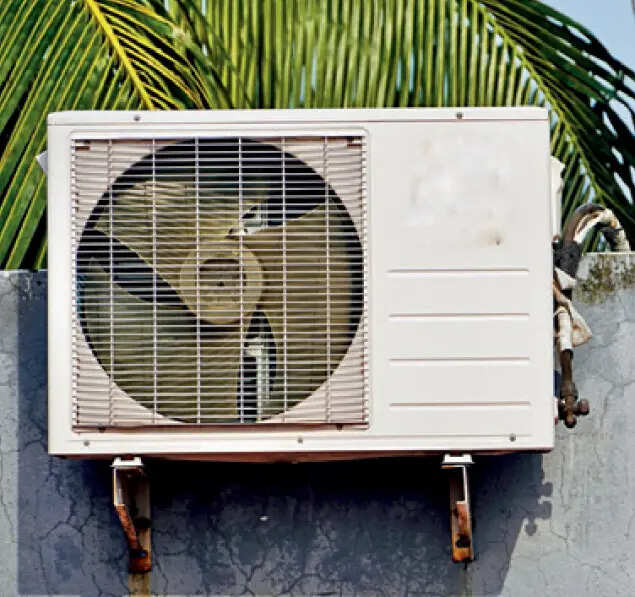
This is a real challenge. As we project forward our carbon emissions associated with energy use, it’s obvious those are going to go up as we will all need more cooling. The solution is decarbonising our energy system.
As a climate scientist who works intensively on these issues, do you feel a sense of incredulity when you see the world suffering this fossil fuel-driven climate situation — and a war being fought over fossil fuels?
Well, when you look at this as a human being, we can understand how our societies get into these situations. But what’s happening now makes you worry on an existential level about what we’re capable of as a species. Can we really come together with the foresight and collaboration needed to deal with both politics that lead to conflict as well as our longer-term climate challenge?To my mind, you have to stay optimistic — maybe the current crisis could become enough of a forcing function to help us on both fronts. I wouldn’t say the historical record offers particular reasons for optimism at our ability to do this as a species — but we should hope because we have risen to challenges before.Views expressed are personal