
Delhi reports rise in H1N1 cases; health minister JP Nadda to review swine flu situation | Delhi News

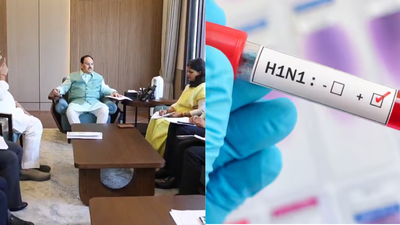
NEW DELHI: As Delhi witnesses a sharp surge in influenza cases, with 1,777 confirmed H1N1 cases reported this year, Union Health Minister JP Nadda on Friday reviewed the situation and asked hospitals and health authorities to step up surveillance, early detection and timely treatment.Delhi reported 159 fresh influenza cases on Thursday, including 114 H1N1 cases, taking the overall influenza tally to 2,602. H1N1 accounted for nearly 72% of the fresh influenza cases reported that day.Nadda reviewed trends in influenza-like illness (ILI) and severe acute respiratory infection (SARI), testing and laboratory surveillance, besides hospital preparedness. Availability of beds, critical-care and oxygen-supported beds, ventilators, medicines and diagnostics was also assessed. He stressed adequate surge capacity and seamless referral of patients requiring specialised or critical care.The Centre had on July 10 asked states and UTs to strengthen surveillance and preparedness for acute respiratory illness. Nadda also urged people to maintain respiratory and hand hygiene and seek medical advice promptly for severe or persistent respiratory symptoms or breathing difficulty.Dr Rajeev Jayadevan, a member of the public health advisory, said the seasonal flu vaccine covers H1N1, H3N2 and influenza B, including the strains currently circulating in India. While neutralising antibodies that prevent infection decline within months, immune memory persists and offers longer-lasting protection against severe disease, hospitalisation and death.“Protection from getting infected is short-lived,” Jayadevan said, adding that annual vaccination helps reduce the risk of infection, while even a previous flu shot may retain immune memory that provides baseline protection against severe disease.Influenza undergoes antigenic drift, with parts of the virus changing over time. Updated vaccine formulations keep pace with these changes. “It’s not like the whole virus changes. Only bits of the virus undergo change,” he said, comparing it to a few spelling mistakes in a novel that do not change the story.Jayadevan also cautioned against confusing influenza with the common cold. Influenza can cause pneumonia and death, particularly among vulnerable people including the elderly, while a common cold typically causes milder upper respiratory symptoms. “Common colds are not fatal. Influenza can be,” he said.The meeting was attended by Delhi Health Minister Pankaj Kumar Singh, Union Health Secretary Punya Salila Srivastava and senior health officials.