
Can’t Fire, Can’t Fight?

Both US and Iran are running low on missiles. That may put a limit on how long hostilities can continue
One key metric to closely follow in the US-Iran conflict, is each side’s inventory of munitions. Dynamics of war, at their most fundamental, are determined by a simple math – the size of a military’s arsenal, and its ability to replenish this. So, as US and Iran resume strikes against each other, the duration of this round of fighting will boil down to how many launchers, missiles, and interceptors each side still has left.
Iran’s missile infra has been significantly degraded since the start of the war. According to one estimate made last month, Iran has lost a third to half of its ballistic missile arsenal, and approximately half of its missile launchers. That is significant. But the problem is, there is no clarity on pre-war baseline numbers for Iran’s missile stockpile. For years, Iran was said to have more than 3,000 missiles of various ranges. But between 2024 and 2026, Iran launched 2,200 to 2,400 missiles. In other words, Iran may have more missiles than it has let on.
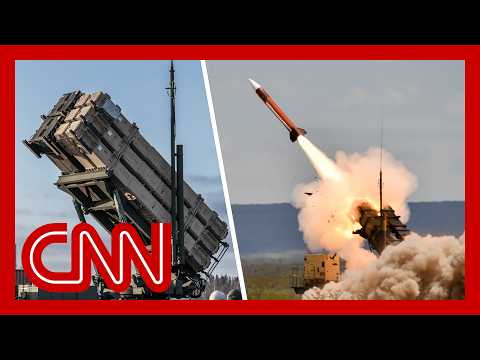
But it’s also true that Iran’s industrial base to produce and replace missiles has taken a huge hit. US military told Congress that 85% of Iran’s ballistic missile, drone, and naval defence industrial base is gone. Prolonging the war would see this degrade further. Meanwhile, US’s inventory is not looking good either. When full-scale war paused in April, US had fired half of its THAAD ballistic missile interceptors, nearly half of its Patriot air defence interceptors, and around 30% of its Tomahawks. The replacement rates for these missiles are low – 15 Tomahawks and 20 Patriots per month, while no new THAAD deliveries are scheduled for this year.
Trump invoked the Defense Production Act in June to scale up missile production. But this takes time – Japan needed three years to build its Patriot factory. Add to this US security interests in other parts of the world, especially in the Indo-Pacific to counter China. True, the war can continue through other means, and drones are increasingly playing a bigger part. But both US and Iran are looking at depleted missile stockpiles. That may put a serious limit on how long this war can continue.
Disclaimer
Views expressed above are the author’s own.