BJP-dominant India or … ? Decoding layers of saffron supremacy across country | India News
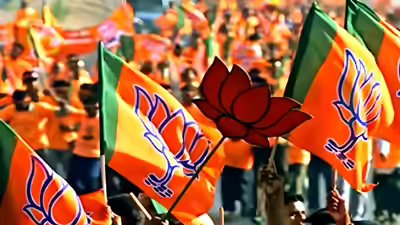
The political map of India today looks decisive – almost settled. Large parts of the country are under the rule of the BJP or its alliance partners. As of May 2026, the BJP-led NDA is in power in 21 out of 31 states and Union Territories – numbers that point to sheer dominance of the BJP-led ruling alliance.But politics rarely works in straight lines.Look closer, and the picture becomes more layered. The BJP is clearly the most powerful political force today, but the hue of its dominance is not the same everywhere. In some states, it is overwhelming. In others, it depends on allies. And in a few regions, it is still trying to break through.
That’s what makes the current state of politics interesting. The BJP isn’t just winning elections — it is spreading its footprint across the country. On May 4, when the results of assembly elections in five states and Puducherry will be out, it will be interesting to see how much more the BJP and its allies gain in this round of political battle.Here’s a look at how the BJP has gradually spread its influence across the country
The strongholds: Where BJP sets the rules
Let’s start with the Hindi heartland and parts of the West. This is where the BJP doesn’t just compete, it defines the contest.States like Uttar Pradesh, Madhya Pradesh and Gujarat remain its biggest power centres at present. In Uttar Pradesh, the BJP won a comfortable majority in 2022 with over 250 seats and a vote share of around 41–42%, holding on despite anti-incumbency. In Madhya Pradesh, it returned to power in 2023 with 163 out of 230 seats and nearly 48% vote share, one of its strongest performances in the state.Gujarat remains its most secure bastion because of Prime Minister Narendra Modi. In the 2022 election, the BJP won a record 156 out of 182 seats with a vote share crossing 52%, turning what was once a competitive state into near one-party dominance.