Bhutan, Land of the Thunder Dragon: Part 3 — Punakha
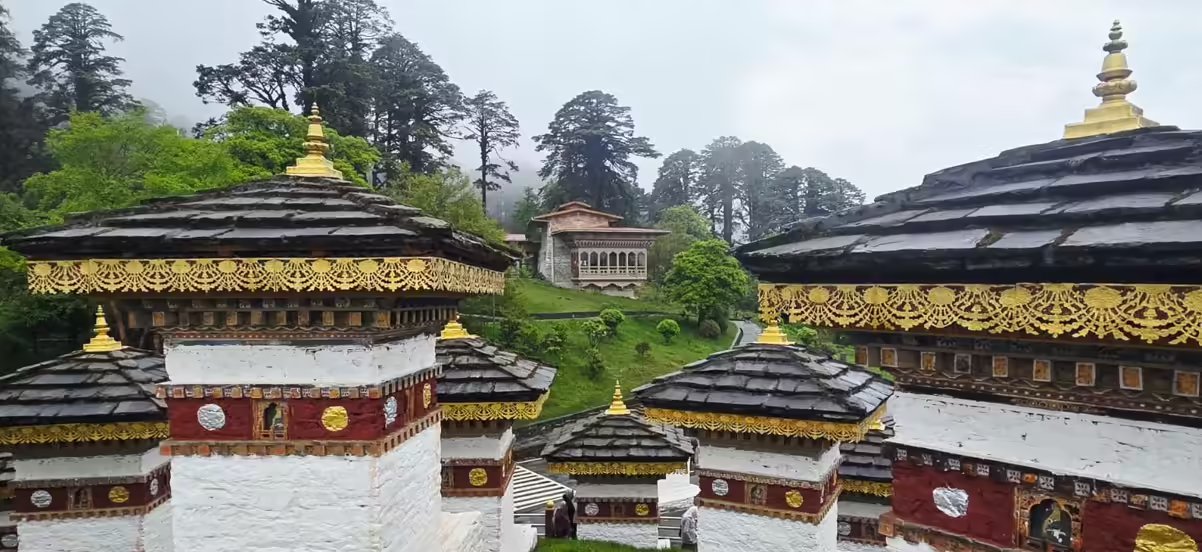
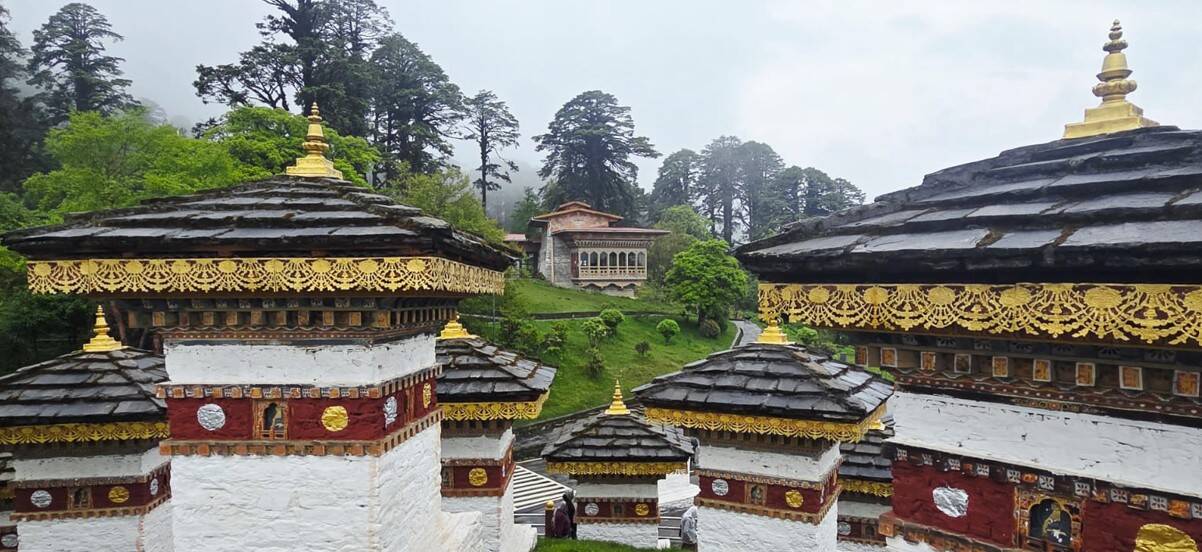
On our way towards Punakha, we stopped at the beautiful Dochula Pass, 22 km from Thimphu, renowned for its 108 chortens and spectacular Himalayan views on a clear day. We also visited Simtokha Dzong, Bhutan’s oldest surviving dzong (distinctive type of fortified monastery architecture), built in 1629, and Tango Monastery, an important meditation centre associated with great Buddhist masters. For devotees of Guru Padmasambhava, the most significant sacred sites around Thimphu are Tango Monastery, Cheri Monastery, Simtokha Dzong, and Dochula Pass.

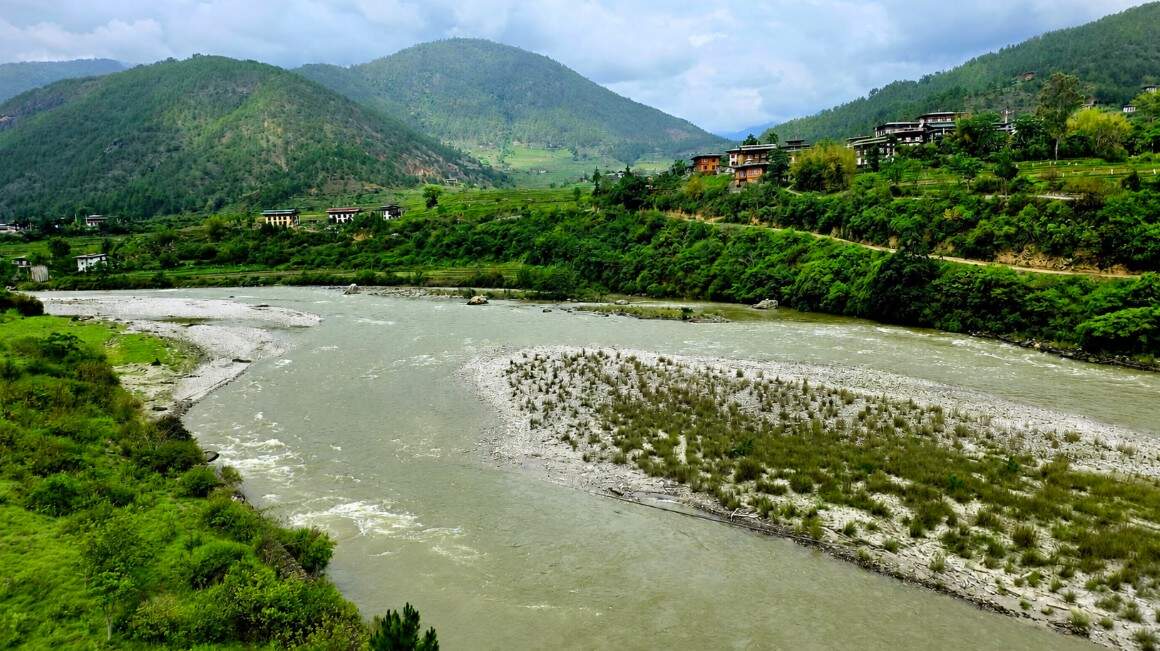
Punakha, the former capital of Bhutan until 1955, remains the winter seat of the Central Monastic Body. Nestled at an altitude of about 1,200 metres, the valley enjoys a warmer climate than Thimphu and Paro and is famous for its fertile fields, rice cultivation, and the jacaranda blossoms that paint the landscape purple during spring.
The highlight of my visit was the magnificent Punakha Dzong, officially known as Pungthang Dechen Phodrang, meaning “The Palace of Great Bliss” or “The Palace of Great Happiness.” Widely regarded as the most beautiful and historically significant dzong in Bhutan, it stands majestically at the sacred confluence of the Pho Chhu (Father River) and Mo Chhu (Mother River), whose union symbolizes wisdom and compassion in Bhutanese Buddhist tradition.

My first glimpse of the dzong, standing gracefully beside the river, was enchanting. Crossing the traditional wooden bridge, I entered a place that has served as the spiritual, political, military, and cultural heart of Bhutan for nearly four centuries. Built in 1637–38 by Zhabdrung Ngawang Namgyal, the Tibetan lama who unified Bhutan, the dzong became the seat of the newly established Bhutanese state. Prior to his arrival, Bhutan consisted of rival valleys and local chieftains. Through his vision and leadership, Zhabdrung united the country and established a unique system combining religious and secular governance.
The dzong’s architecture is a masterpiece of Bhutanese craftsmanship. Its three courtyards serve distinct religious and administrative functions, while intricately carved windows, pillars, balconies, and murals display exquisite Buddhist artistry. Rising above the complex is the six-storeyed central tower, the Utse, regarded as the spiritual heart of the monastery.
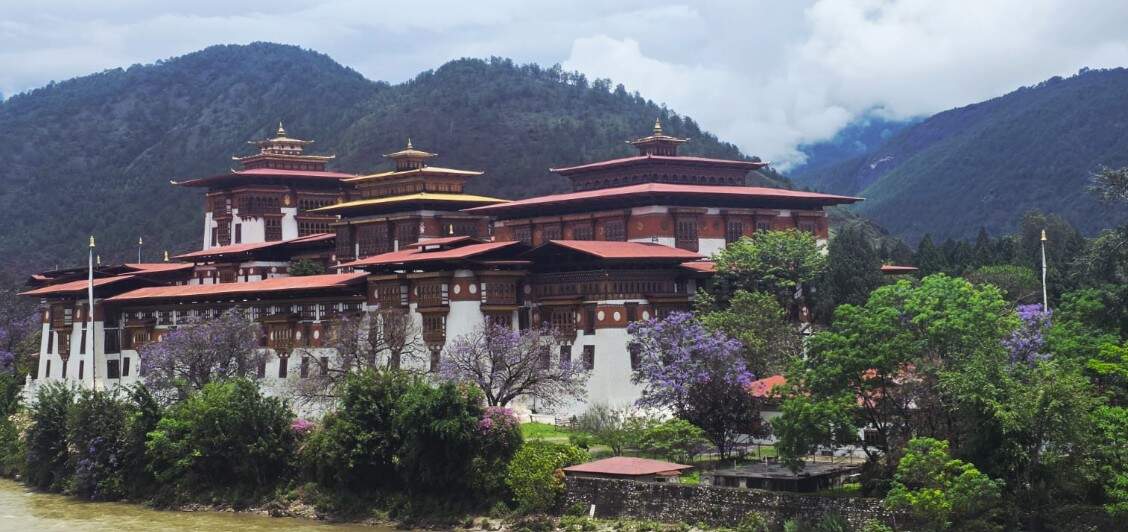

Punakha Dzong is deeply connected with Guru Padmasambhava, revered throughout Bhutan as Guru Rinpoche, the Precious Master and Second Buddha. Bhutanese tradition recounts a remarkable prophecy in which Guru Rinpoche foretold the arrival of a great spiritual leader named Ngawang Namgyal, who would establish a fortress-monastery at the confluence of two rivers on a hill resembling a sleeping elephant. Centuries later, Zhabdrung Ngawang Namgyal fulfilled this prophecy by constructing Punakha Dzong at precisely such a location. Thus, the site is regarded not merely as a strategic choice but as the manifestation of a sacred vision.
From the seventeenth century until 1955, Punakha served as Bhutan’s capital. National administration, religious governance, diplomatic affairs, and military planning were all conducted from here. Even after the capital shifted to Thimphu, Punakha Dzong remained one of Bhutan’s most revered institutions. It continues to host royal ceremonies, including coronations and weddings, and houses some of the kingdom’s most sacred treasures, including precious scriptures, religious relics, and the embalmed remains of Zhabdrung Ngawang Namgyal. It is also the winter residence of the Je Khenpo, Bhutan’s Chief Abbot, and the Central Monastic Body.
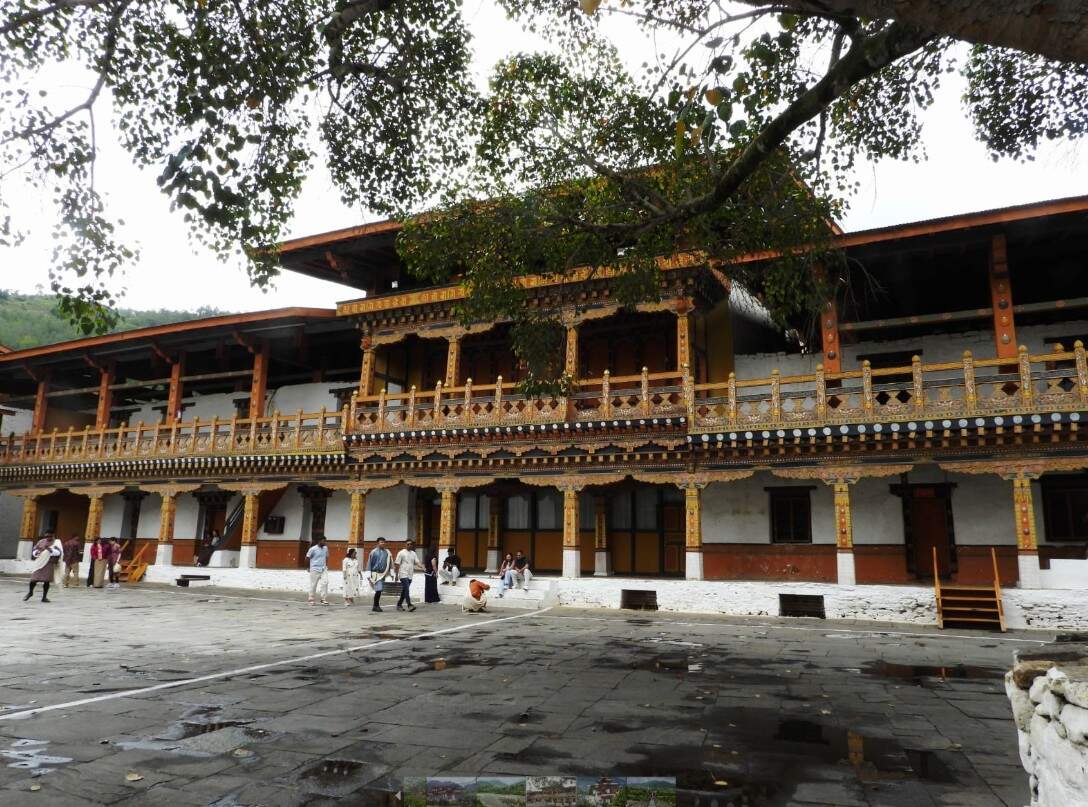

The dzong remains a vibrant centre of Bhutanese culture. Annual Tshechus held here feature sacred masked dances, ritual performances, blessings from monks, and public displays of Buddhist teachings that preserve the nation’s living spiritual heritage. Despite surviving fires, earthquakes, and devastating floods caused by glacial lake outbursts, the dzong continues to stand as a symbol of Bhutan’s resilience and faith.
As I walked through its courtyards and shrines, I felt a profound sense of peace and an unmistakable presence of Guru Rinpoche’s blessings. The atmosphere seemed infused with centuries of devotion, wisdom, and spiritual energy. 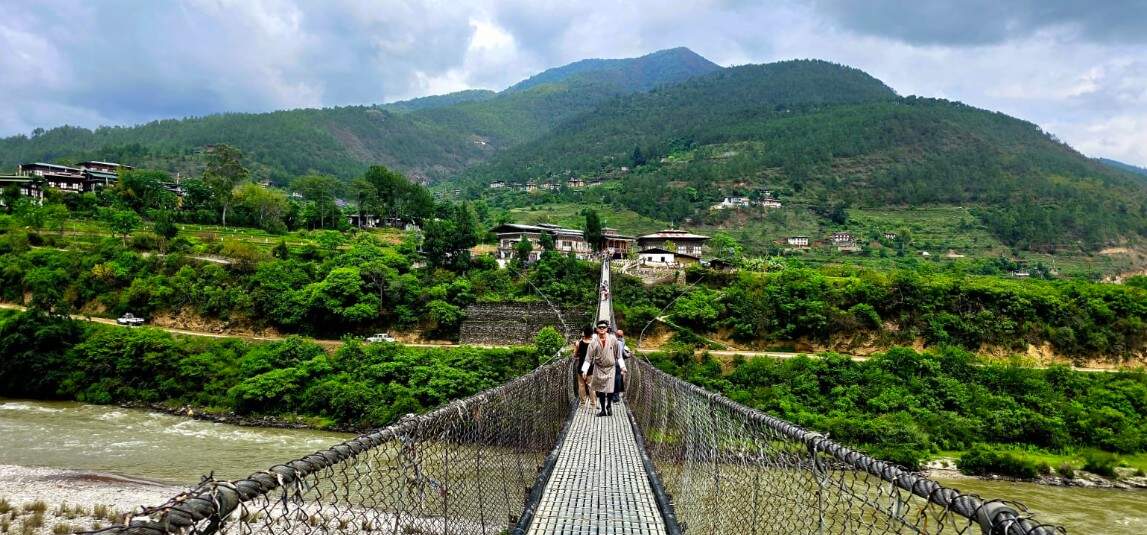

A short fifteen-minute walk brought me to the Punakha Suspension Bridge, one of the longest in Bhutan. Stretching approximately 180 metres across the Pho Chhu River and suspended about 30 metres above the water, it is adorned with colourful prayer flags fluttering in the mountain breeze. The gentle swaying of the bridge, combined with panoramic views of the river, villages, and surrounding mountains, made for a memorable experience. On the opposite bank were two restaurants offering beautiful riverside views.
On the return journey, I visited Chimi Lhakhang, Bhutan’s famous Fertility Temple, built in 1499 in honour of Drukpa Kunley, the legendary ‘Divine Madman’ known for his unconventional methods of imparting spiritual wisdom. Couples from across Bhutan and around the world visit this temple seeking blessings for children, fertility, family happiness, and prosperity. Wooden phallus symbols displayed on homes and shops throughout the region are regarded as emblems of protection, fertility, and good fortune. Visitors receive blessings with a sacred wooden phallus, and many childless couples return later with their children to offer gratitude.
I read testimonials from couples from the USA, the UK, Poland, the Netherlands, and New Zealand, along with images of their babies. There was an energy of abundance in the temple—an abundance of love, peace, happiness, contentment, wealth, good health, and prosperity—and I realized why it is called the Fertility Temple.
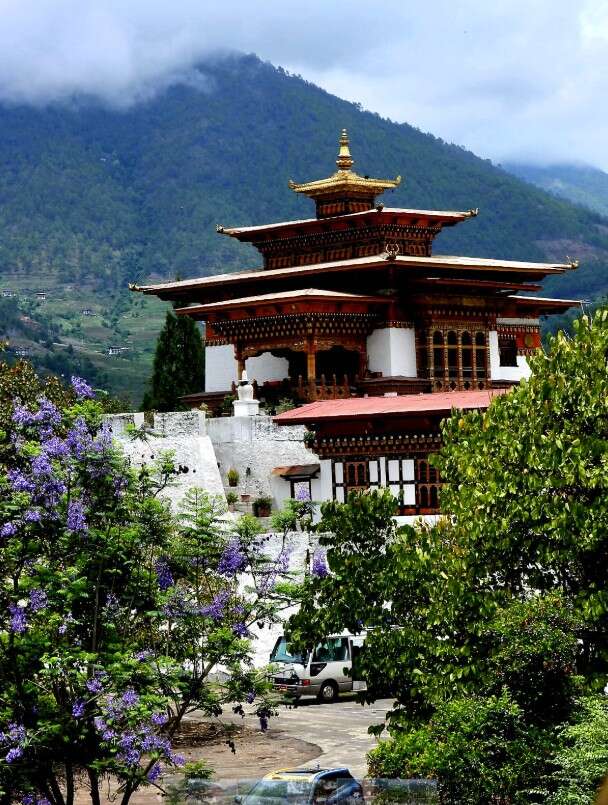

Walking through the peaceful rice fields to the temple, I realised that its deeper significance extends beyond physical fertility. To me, it symbolised the fertility of life itself, where every positive seed of karma planted with sincerity has the potential to grow into abundant blessings. I participated in the traditional dice ritual for my children, in which the combined number from three dice is interpreted to reveal indications about the future. All the results were favourable. With gratitude in my heart, I prayed for the abundance, happiness, and prosperity of everyone I know. 

The sweeping views of the Punakha Valley from the temple were breathtaking. As I returned to Thimphu that evening, my heart was filled with joy, gratitude, and a deep sense of spiritual fulfilment.
Disclaimer
Views expressed above are the author’s own.