Belgian quarry uses 3,240 solar panels and sheep in a 3.3-hectare agrivoltaic project and produce clean power while preserving farmland | World News
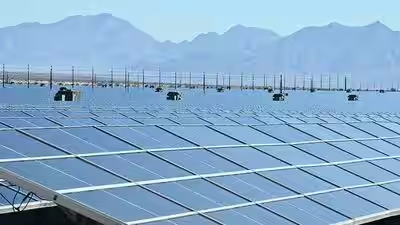
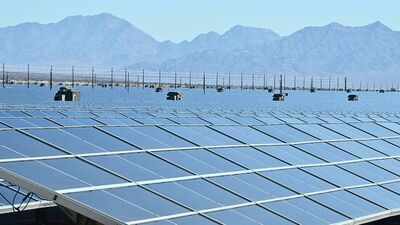
A quarry in Florennes, Wallonia, is combining solar power with sheep farming in a 3.3-hectare agrivoltaic project. Calcaires Agri Énergie, in partnership with Ether Energy, developed the project, which places 3,240 photovoltaic panels above land used for sheep grazing. The panels have a total capacity of 2.27 MWc and are raised above the ground with six-metre gaps between them. According to the etherr.a, this layout allows sheep to graze beneath the installation while receiving protection from the weather. The project is designed to produce 2.33 GWh of electricity each year. The electricity will power the Calcaires de Florennes quarry, with the surplus supplied to the public grid. The project also includes plans to create a renewable energy community.
How the Belgian quarry project supports both solar power and sheep farming
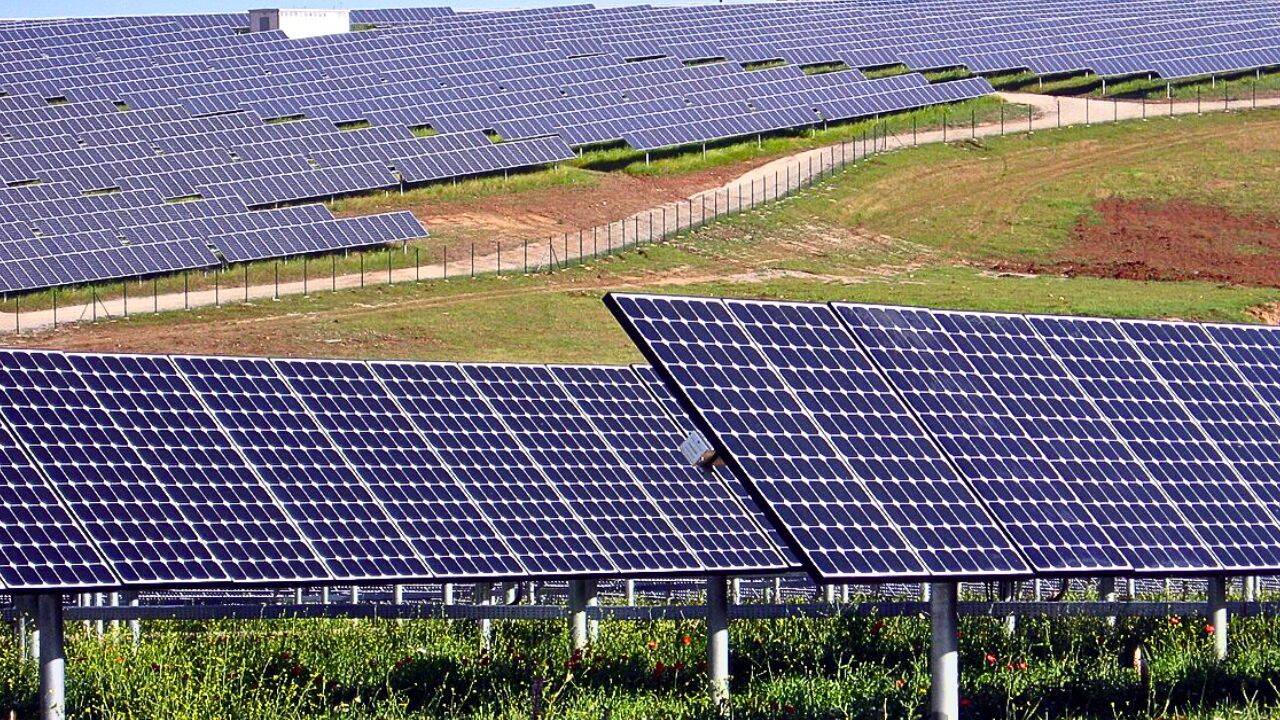
The agrivoltaic project is located north of the Calcaires de Florennes quarry in Wallonia. It was developed by Calcaires Agri Énergie in partnership with Ether Energy. The installation covers 3.3 hectares and combines renewable electricity production with sheep farming. A total of 3,240 photovoltaic panels have been installed, with a capacity of 2.27 MWc. The panels cover 45% of the land. They are raised above the ground and positioned six metres apart.This arrangement leaves space for sheep to graze beneath the panels. The project also aims to preserve the agricultural role of the land while producing renewable energy. It supports farming through a partnership with the Grand-Bois farm in Gerpinnes. This setup combines electricity production with sheep farming.
PC: Wikipedia
The project supports sheep farming in Wallonia
The solar panels are arranged to keep the land suitable for sheep grazing. They are installed at a height that allows the animals to move beneath them, while six-metre spacing between the panels leaves space for grazing. The project description says this setup allows the animals to graze freely below the solar installation.This setup allows the land to support both sheep grazing and solar power generation. The project supports extensive sheep farming and aims to help relocate sheep farming in Wallonia. The partnership with the Grand-Bois farm in Gerpinnes is part of that approach. The project notes that this provides a local alternative to imports, which account for more than 80% of the mutton consumed in Belgium.
Reduce the quarry’s carbon footprint
The installation is expected to produce 2.33 GWh of electricity each year. The electricity will be used to power the activities of the Calcaires de Florennes quarry, helping reduce its dependence on the grid. The site will directly use some of the electricity produced by the panels.The remaining electricity is intended for the public grid and can cover the needs of approximately 225 households. The solar installation is also expected to help reduce the quarry’s overall carbon footprint by avoiding 2,000 tonnes of CO₂ emissions each year.
Supporting farming and biodiversity
The project goes beyond electricity generation by including measures linked to agriculture and biodiversity. It is designed to support extensive sheep farming while keeping the land in agricultural use. The project notes that the approach helps preserve local biodiversity through extensive farming practices and natural features.It also plans to create a Renewable Energy Community. The project has been designed for a period of 30 years and is described as fully reversible. The project aims to provide an additional source of income for the farmer while supporting agriculture.