
Beauty filters vs real skin: Is Instagram changing what we think we should look like?
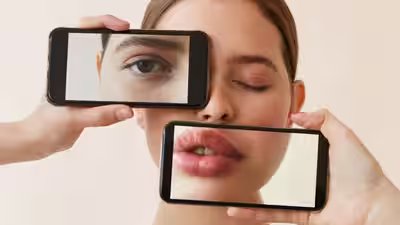
In today’s world, beauty filters are changing the way people perceive their skin and, increasingly, what they can expect from cosmetic treatments. One of the biggest challenges we see during consultations today is that patients often come in with a lot of expectations shaped by filtered or heavily edited images, where skin appears to be completely smooth, poreless and free of any texture. In reality, normal human skin naturally has texture and pores. Skin can also adapt to its environment.For example, people located in warm or humid areas may have visibly larger pores, whereas heat also affects pigmentation and skin texture. The extensive application of filters, particularly by influencers and celebrities, has complicated the recognition of natural skin as opposed to edited skin. Because social media users admire those individuals, they may fall in the trap of believing that the skin they see online is actually real. This often carries into the consultation, where patients bring reference photographs or videos and ask for the same level of glow or skin texture.
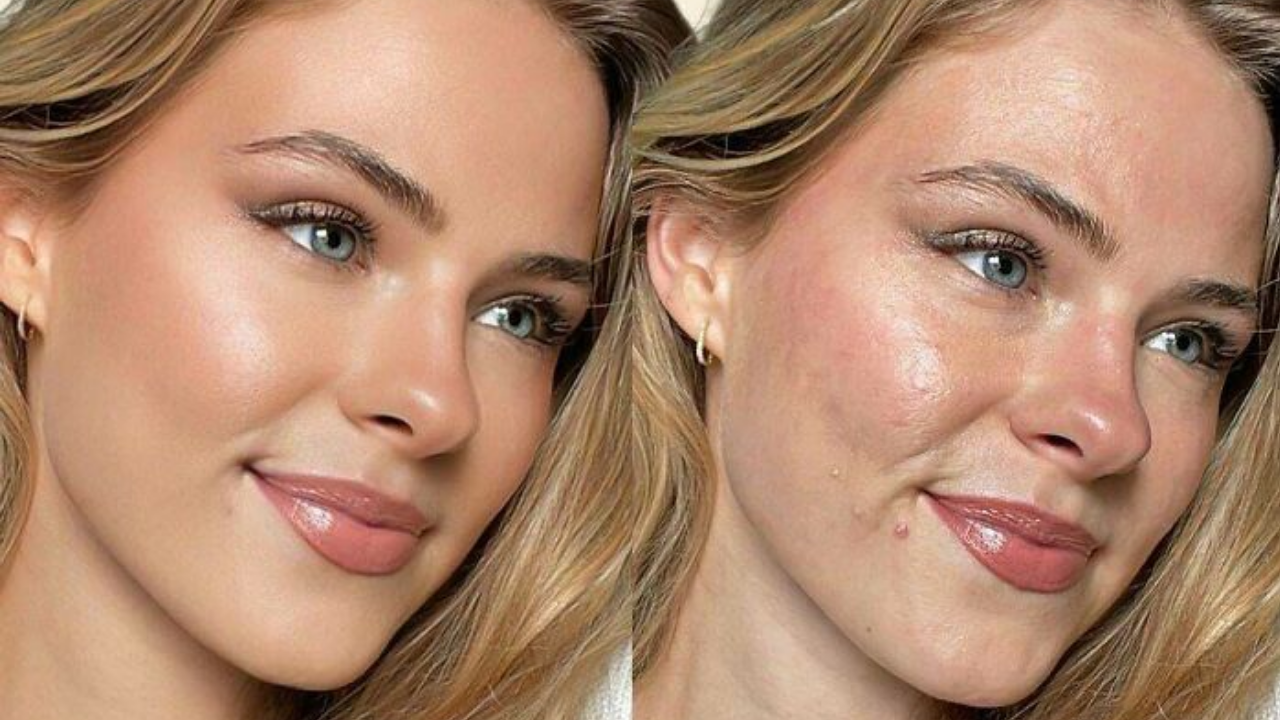
(Image Credits: Pinterest)
This makes it important for us to set the right expectations during any consultation. We have to explain to patients that the pictures they are showing us may be edited or filtered, and that having completely poreless or texture-free skin is not realistic. The aim should be to have healthy skin with less acne, pigmentation and other skin concerns, rather than trying to achieve a look that may not even be real.The growing popularity of the Korean “glass skin” trend is another example. Patients come in for the consultation and ask for very clear, porcelain like skin that they often see on Korean celebrities. But even someone with exceptionally good skin are bound to have some textures and pores. Real skin does not look like a filter.So, when patients use these filters as references, it can sometimes create expectations that are difficult to achieve. Filters can not only change the appearance of the skin, but can also make the face structure look sharper. For better understanding we approached Dr Trishna Gupte, Clinical Cosmetologist, Founder and owner of the Cosmo-Square clinic, ISCA institute. She says, “Patients come in saying I want a jawline like this, because when they use the filter, their jawline looks much sharper. But when we actually try to achieve the same with fillers or Botox, it is not always easy to get that kind of jawline or facial contour.”
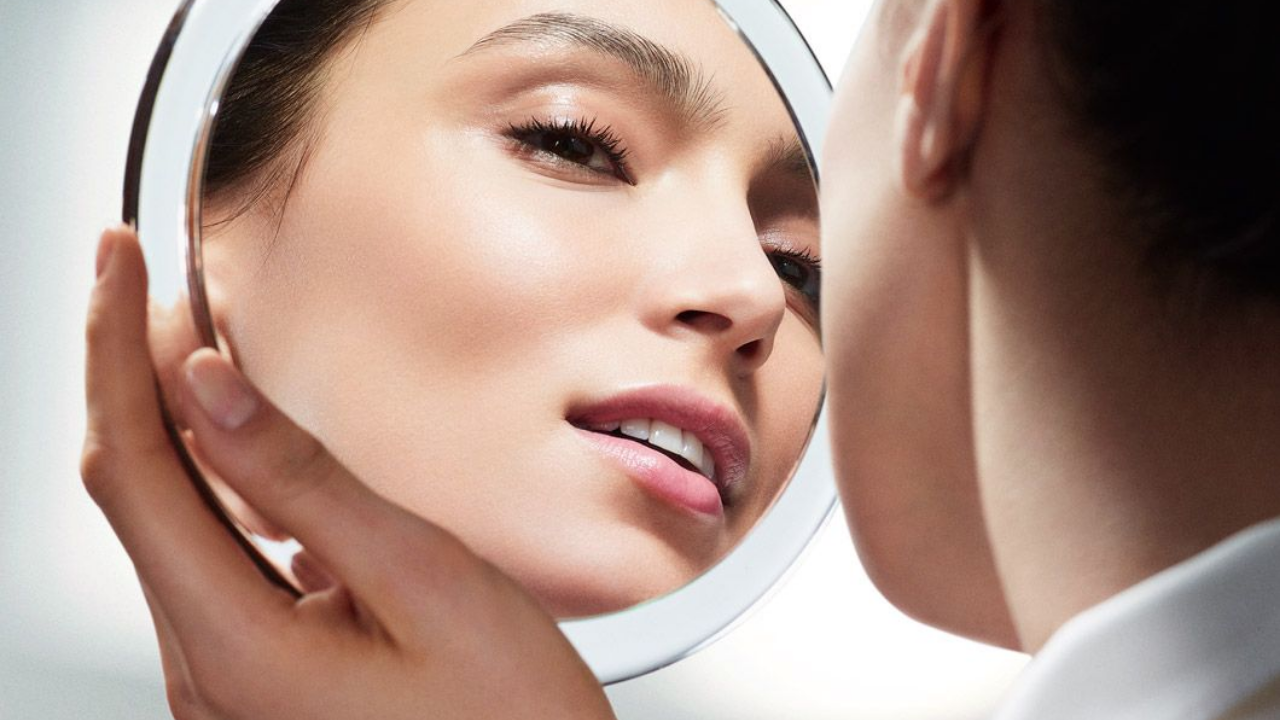
(Image Credits: Pinterest)
She continued, “It has made our work more challenging. It is important to make our patients understand the difference between filtered and real skin and have realistic expectations about what treatments can actually achieve. The aim should be to improve the health and appearance of the skin, while also understanding that some amount of texture, pores and natural variation is completely normal.”